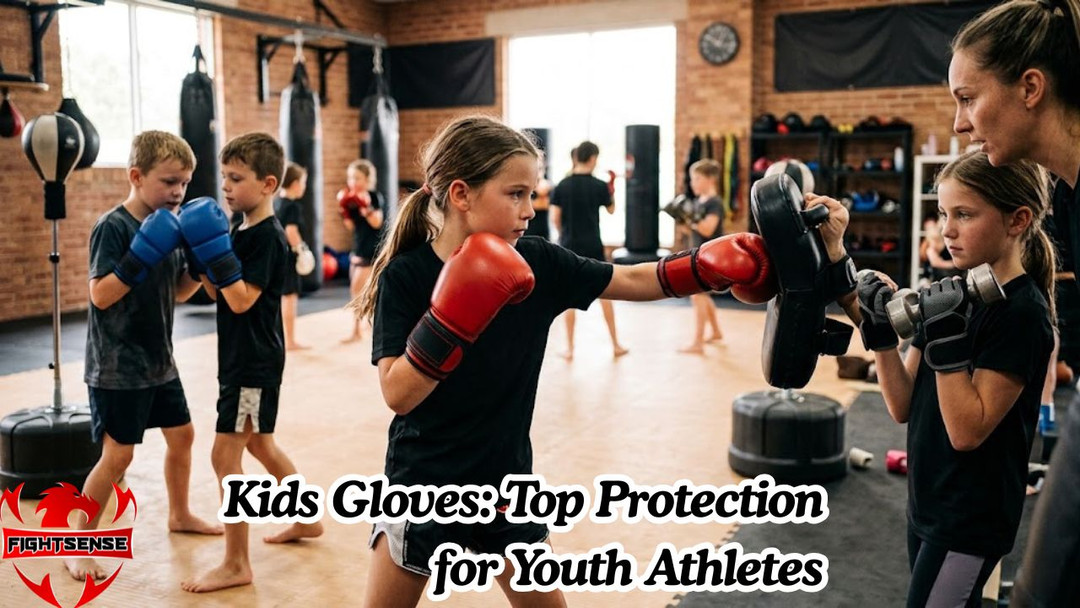
Kids Gloves: Top Protection for Youth Athletes
Whether your child is learning their first jab in a boxing class, exploring martial arts, or hitting the local gym, protecting their hands is essential. Young bones, tendons, and growth plates are still developing, making proper handwear non-negotiable. Searching for the right kids gloves means finding gear that balances impact absorption, joint stabilization, and breathability.
Brands like FightSense specialize in high-performance combat and fitness gear—offering everything from padded boxing and MMA gloves to protective gym gloves engineered for smaller hands. In this guide, we break down how to choose the right pair to keep your young athlete safe and performing at their best.
Why Young Athletes Need Specialized Kids Gloves
Children often try to use scaled-down adult gear, but adult handwear is built for different wrist proportions and strike force. Purpose-built kids gloves are shaped specifically for pediatric anatomy.
- Growth Plate Protection: Small bones in the hands are vulnerable to repeated micro-impacts. Adequate padding dissipates force before it reaches the knuckles.
- Wrist Stabilization: Developing wrists lack the muscle density to absorb heavy recoil. Structured hook-and-loop straps lock the wrist in proper alignment.
- Proper Form Development: Gloves designed for small hands allow kids to make a full fist without straining, teaching safe technique from day one.
Types of Kids Gloves for Combat Sports & Fitness
Different activities require unique protective structures. Choosing the right handwear depends on your child's training focus.
1. Kids Boxing Gloves
Designed with full-foam padding around the knuckles and locked thumbs, these protect hands during heavy bag work and mitt drills. Brands like FightSense integrate high-density EVA foam into their boxing collection to absorb harsh vibrations.
2. Kids MMA Gloves
Features an open-finger design that allows young martial artists to switch seamlessly between striking and grappling. Look for extra padding across the main knuckle wall to prevent scrapes during mat work.
3. Kids Gym & Weightlifting Gloves
Ideal for kids engaging in fitness training, gymnastics, or light dumbbell work. These offer padded palms to prevent calluses while improving grip control on bars.
Key Features to Look For Before Buying
When selecting hand protection for youth activities, keep these critical components in mind:
- Impact Absorption: Multi-layered foam padding provides better force dissipation than thin gel inserts.
- Closure System: Wide hook-and-loop wrist straps give kids independence to put on and take off their gear while ensuring a snug fit.
- Material Durability: Synthetic PU leather offers high tear resistance and is easy to wipe clean after sessions.
- Ventilation: Mesh palm panels allow air circulation, reducing sweat build-up and odor.
Size & Weight Guide for Youth Gloves
Choosing the right glove size ensures proper safety and comfort. Boxing and MMA gloves are measured in ounces (oz), while gym gloves follow standard hand measurements.
|
Glove Weight / Size |
Recommended Age Range |
Ideal Activity |
Key Focus |
|
4 oz - 6 oz |
4 – 7 Years |
Early Martial Arts / Fitness |
Lightweight, easy movement |
|
6 oz - 8 oz |
8 – 11 Years |
Junior Boxing & MMA |
Balanced padding & wrist support |
|
10 oz |
12+ Years |
Youth Sparring & Bag Work |
Maximum impact protection |
|
Small / Medium (Gym) |
6 – 12 Years |
Weightlifting / Cycling / Bars |
Palm padding & slip control |
Comparison: Boxing vs. MMA vs. Gym Gloves
|
Feature |
Kids Boxing Gloves |
Kids MMA Gloves |
Kids Gym Gloves |
|
Finger Design |
Fully Enclosed |
Open Fingers |
|
|
Primary Protection |
Knuckles & Thumb |
Knuckles & Backhand |
Palm & Grip Areas |
|
Wrist Support |
High (Long Cuffs) |
Medium |
Moderate |
|
Best Used For |
Heavy Bags, Mitts |
Dumbbells, Pull-up Bars |
How to Care for Your Child’s Gear
Proper maintenance keeps equipment hygienic and extends its lifespan.
- Air Them Out: Open the straps completely after every workout to let interior moisture dry.
- Wipe the Exterior: Use a damp microfiber cloth with mild soap to clean sweat off the synthetic leather.
- Use Odor Absorbers: Place glove deodorizer inserts inside between uses to prevent bacterial buildup.
- Avoid Direct Sunlight: Never dry leather gear in direct sunlight, as heat can dry out and crack the outer shell.
Common Mistakes Parents Make
- Buying Gear That Is Too Big: Purchasing a size up "for them to grow into" leaves the wrist unsupported and increases injury risk.
- Skipping Hand Wraps: For combat training, young athletes should always wear quick wraps underneath their gloves for added wrist stability.
- Using the Wrong Type of Gloves: Sending a child to boxing class with lightweight gym gloves won't provide enough padding for heavy bag impact.
FAQs:
What size kids gloves are suitable for an 8-year-old?
An 8-year-old typically uses 6 oz or 8 oz gloves for boxing and MMA, or a size Small in general gym gloves. Always check the manufacturer's specific sizing chart.
Can kids use adult small gloves?
It is not recommended. Adult gloves are cut wider in the palm and fingers, which prevents young hands from forming a safe, tight fist.
Why are boxing gloves measured in ounces (oz)?
Ounces refer to the weight of the foam padding inside the glove. More ounces mean thicker padding and higher protection against impact.
How tight should youth gloves feel?
They should feel snug around the knuckles and wrist without causing numbness or pinching. Fingers should touch the top without bending uncomfortably.
Should children wear hand wraps under boxing gloves?
Yes. Quick wraps or traditional cloth wraps protect the small bones in the hand and secure the wrist inside the glove during impact training.
What is the difference between FightSense gloves and general sports gloves?
FightSense designs handwear specifically for combat sports and strength conditioning, featuring specialized impact foam and wrist support built for athletic training.
How long do training gloves usually last?
With regular care, a quality pair lasts 1 to 2 years before the foam compresses or the child outgrows them.
Are fingerless gloves better for gym training?
Yes. Half-finger gym gloves allow natural dexterity while protecting the palms from calluses and friction burns.
Conclusion:
Choosing the right handwear is essential for keeping young athletes safe, confident, and injury-free. Whether your child is practicing punches, training in martial arts, or building strength in the gym, high-quality kids gloves cushion impacts and protect vulnerable wrist joints. Investing in properly fitted, durable protection lets growing athletes focus on developing skill, technique, and a lifelong passion for fitness.
Disclaimer:
This guide is for informational purposes only; consult a coach or sports expert before choosing gloves for your child’s specific activities.