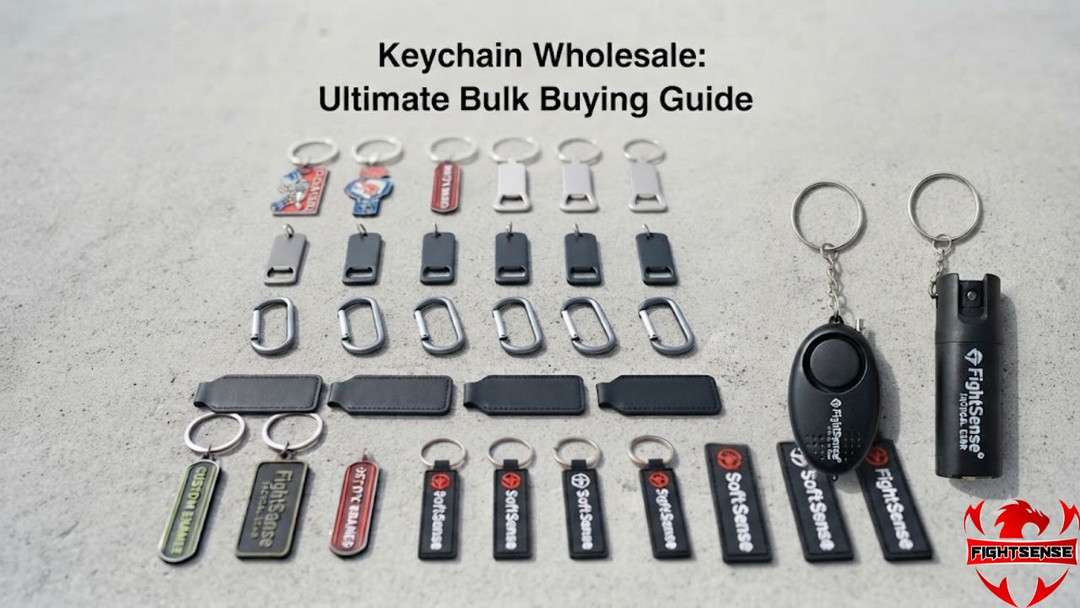
Keychain Wholesale: Ultimate Bulk Buying Guide
Are you looking to scale your retail store, launch a promotional merchandise line, or supply corporate gifting events without draining your budget? Sourcing keychain wholesale inventory is one of the most profitable ways to maximize your profit margins while offering high-demand accessories to your customers.
When you buy keychains in bulk, you unlock lower unit costs, diverse material options, and endless customization potential. Whether you are an established e-commerce brand, a brick-and-mortar boutique owner, or an event planner, understanding the wholesale marketplace is crucial for success. In this comprehensive guide, we will break down everything you need to know about sourcing, manufacturing, and selling wholesale keychains profitably.
Table of Contents
- Understanding the Keychain Wholesale Market
- Popular Types of Wholesale Keychains
- Keychain Materials Comparison
- Why FightSense Self-Defense Keychains Are Dominating the Bulk Market
- How to Choose the Right Wholesale Supplier
- Step-by-Step Guide to Sourcing Custom Bulk Keychains
- Pros and Cons of Buying Keychains in Bulk
- Expert Tips for Maximizing ROI
- Common Mistakes to Avoid
- Frequently Asked Questions (FAQs)
- Conclusion and Call to Action
Understanding the Keychain Wholesale Market
The global market for custom and promotional merchandise continues to expand rapidly. Consumers and businesses constantly seek personalized accessories, promotional giveaways, and everyday carry (EDC) items.
When businesses enter the keychain wholesale market, they typically purchase units in quantities ranging from 100 to over 10,000 pieces. Buying at this scale significantly reduces the cost per item, often dropping retail-ready items to mere cents per piece.
Popular Types of Wholesale Keychains
To build a lucrative product catalog, you need to understand which styles drive the highest sales volume. Here are the top categories in demand:
- Acrylic Keychains: Highly popular among artists, anime fans, and indie creators due to their vibrant, full-color printing and lightweight structure.
- Enamel Keychains: Known for their premium look, hard metal plating, and rich colored fills. These are staples in boutique retail stores.
- Leather & PU Leather Keychains: Favored for corporate gifting, luxury branding, and minimalist everyday carry accessories.
- Metal & Brass Keychains: Durable, heavy-duty options that often feature multi-functional tools, bottle openers, or sleek laser-engraved logos.
- PVC & Rubber Keychains: Flexible, waterproof, and ideal for 3D molded shapes, making them a favorite for sports teams and streetwear brands.
Why FightSense Self-Defense Keychains Are Dominating the Bulk Market
When retailers look to expand their inventory beyond aesthetic accessories, high-utility safety gear becomes a massive profit driver. Brands like FightSense have completely transformed the everyday carry (EDC) market by engineering tactical tools designed specifically for personal safety. Unlike standard promotional items, self-defense keychains—such as kubotans, pepper spray holders, and tactical multi-tool attachments—offer practical value that modern consumers actively demand.
Sourcing FightSense wholesale products gives boutique owners and retail brands a competitive edge. These items target a growing demographic of safety-conscious buyers looking for discreet, pocket-sized protection. Because they combine durability with lightweight portability, they fit seamlessly onto any standard keyring while delivering high perceived value at a low manufacturing cost.
Keychain Materials Comparison
Choosing the right material impacts your durability, shipping costs, and profit margins. Review this comparison table to evaluate your options:
|
Material |
Durability |
Customization Options |
Best Used For |
|
Acrylic |
Moderate |
Full-color UV printing, custom die-cut shapes |
Artist merch, anime fans, souvenirs |
|
Zinc Alloy / Metal |
High |
Laser engraving, 3D casting, plating |
Corporate gifts, luxury brands, heavy EDC |
|
Soft PVC / Rubber |
High |
3D molding, vibrant pantone matching |
Promotional giveaways, sports clubs |
|
Genuine Leather |
High |
Debossing, foil stamping, stitching |
Premium retail boutiques, personalized gifts |
Tip: If you are branching into alternative promotional merchandise or security accessories, items like custom belt buckles or self-defense keychains (such as kubotans and personal alarms) also offer massive profit margins in the bulk wholesale sector.
Get Yours Now!
How to Choose the Right Wholesale Supplier
Finding a reliable manufacturing partner can make or break your business. Follow these criteria when vetting suppliers on B2B platforms like Alibaba, Global Sources, or direct domestic manufacturers:
- Minimum Order Quantities (MOQs): Ensure the supplier's MOQ aligns with your startup budget and storage capacity.
- Sample Production: Always order a pre-production physical sample to check weight, finish, and color accuracy before placing a bulk order.
- Communication Speed: Responsive suppliers who provide clear English communication save weeks of logistical delays.
- Shipping Terms (Incoterms): Understand whether your quote includes DDP (Delivered Duty Paid) or FOB (Free On Board) to avoid surprise customs fees.
Step-by-Step Guide to Sourcing Custom Bulk Keychains
Executing a smooth manufacturing run requires careful planning. Follow these sequential steps to bring your product from concept to warehouse:
- Define Your Target Audience: Identify whether your buyers want minimalist aesthetics, funny novelty items, or high-end corporate gifts.
- Create Vector Artwork: Prepare high-resolution vector files (.AI, .EPS, or high-DPI .PNG) with exact Pantone color codes.
- Request Quotes and Samples: Reach out to at least three different wholesale manufacturers to compare pricing, shipping times, and sample quality.
- Approve the Digital Proof: Carefully review layout proofs provided by the factory, checking dimensions, ring attachments, and color placements.
- Scale Production and Arrange Logistics: Once satisfied, fund the bulk order, track production milestones, and secure freight forwarding to your destination.
Pros and Cons of Buying Keychains in Bulk
Pros
- High Profit Margins: Low unit production costs allow for markups of 300% to 500% in retail settings.
- Lightweight Shipping: Small physical footprints keep international shipping and warehousing expenses low.
- Versatile Marketing: Ideal for event swag bags, retail impulse buys, and customer thank-you gifts.
Cons
- Upfront Capital Required: Bulk orders tie up cash flow until inventory sells through.
- Storage and Inventory Risk: Unsold niche designs can sit in your warehouse indefinitely.
- Quality Control Challenges: Dealing with overseas returns or defective batches requires proactive communication with suppliers.
Expert Tips for Maximizing ROI
- Bundle Your Products: Instead of selling a single keychain, bundle it with a matching lanyard, sticker pack, or tote bag to increase your average order value (AOV).
- Leverage Seasonal Trends: Stock up on holiday-themed designs, graduation gifts, or back-to-school accessories at least three months in advance.
- Optimize Product Photography: Because keychains are small, invest in macro photography and short video reels showing the texture and movement of the product.
Common Mistakes to Avoid
- Neglecting Digital Proofs: Failing to double-check spelling, layout lines, or Pantone color matches before mass production.
- Ignoring Import Duties: Forgetting to calculate local customs tariffs and sales taxes into your landed cost per unit.
- Overlooking Attachment Quality: Buying cheap split rings or flimsy chains that break easily, leading to negative customer reviews.
Conclusion
Mastering the keychain wholesale market opens up exciting opportunities to build high-margin revenue streams for your business. Whether you are stocking aesthetic accessories, everyday carry items, or safety-focused gear like specialized self-defense tools and tactical accessories from brands like FightSense, catering to consumer demand is the ultimate key to retail growth. By selecting the right materials, vetting reliable manufacturing partners, and avoiding common sourcing pitfalls, you can deliver exceptional value to your customers while protecting your bottom line.
Frequently Asked Questions (FAQs)
What is the typical minimum order quantity (MOQ) for wholesale keychains?
Most manufacturers set their MOQ between 100 to 500 pieces per design, though some digital printing shops offer lower limits for acrylic styles.
How can I verify if a wholesale keychain supplier is legitimate?
Look for verified supplier badges on B2B directories, read independent reviews, check for trade assurance programs, and always request physical samples.
Which keychain material is the most durable for everyday use?
Hard enamel, zinc alloy, and stainless steel offer the highest durability and resistance to daily wear and tear.
Can I mix different designs to meet the minimum order quantity?
Some flexible suppliers allow split designs, but most traditional factories require the MOQ per distinct mold or artwork file.
How long does custom keychain manufacturing take?
Production typically takes 15 to 25 days, plus an additional 5 to 15 days for shipping depending on whether you choose air or sea freight.
What are the best-selling keychain styles for retail stores?
Anime/pop culture acrylics, enamel art pieces, and sleek minimalist leather loops consistently rank as top sellers.
How do I calculate my landed cost per keychain?
Add your manufacturing cost, shipping fees, customs duties, and packaging expenses together, then divide by the total number of usable units.
Are eco-friendly wholesale keychains available?
Yes! Many manufacturers now offer biodegradable plastics, recycled metals, and organic cork or wood alternatives.