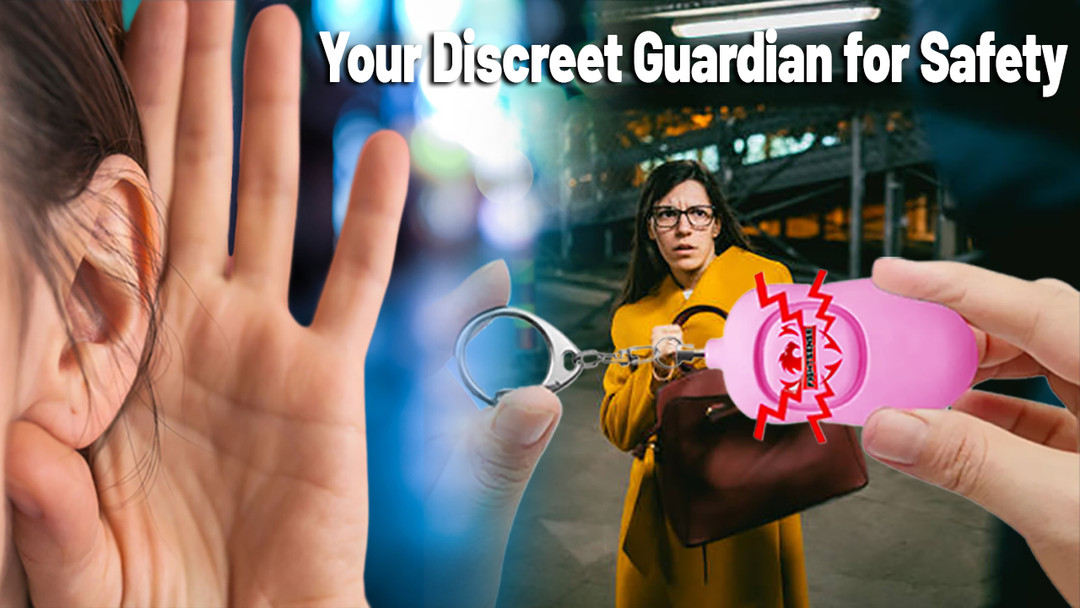
Keychain Alarm: Your Discreet Guardian for Safety
Keychain Alarm — in today’s world, personal safety is more important than ever. These compact, portable devices provide an effective way to deter attackers and draw attention during emergencies.
Easily accessible and simple to use, safety alarms are an essential addition to any self-defense toolkit. This guide explores their benefits, features, and usage tips, showing why they are a smart choice for enhancing personal security.
Keynotes
- Keychain alarms emit loud sounds, typically over 120 decibels, to deter attackers.
- They are portable, discreet, and easy to use in emergencies.
- Additional features like LED flashlights enhance their functionality.
- Regular practice and situational awareness are key to maximizing their effectiveness.
What Are Keychain Alarms?
Keychain safety alarms are small devices emitting loud, piercing sound—usually over 120 decibels—when activated. They are designed to be attached to a keychain, making them easily accessible in critical moments. These alarms can startle attackers, draw attention, and give you time to escape or call for help.
Benefits of Keychain Alarms
1. Discreet and Portable
Keychain alarms are small enough to blend seamlessly with your keys, ensuring they are always within reach. Their discreet design also adds an element of surprise when used.
2. Loud and Effective
Most keychain safety alarms emit sounds over 120 decibels, which can startle an attacker and alert bystanders from a distance. Some models, like the FightSense Personal Alarm, reach 130 decibels for maximum effectiveness.
3. User-Friendly
Activating an alarm is simple—either pull a pin or press a button. This straightforward operation makes them effective even in high-stress situations.
4. Affordable Safety
These are an economical choice for personal safety, offering significant protection at a minimal cost.
5. Additional Features
Many an alarms come with valuable extras, such as LED flashlights for low-light situations, whistles, or even integrated pepper spray dispensers.
Keychain Alarms vs Pepper Spray: Which Is Better for Personal Safety?
|
Feature |
Keychain Alarms |
Pepper Spray |
|
Primary Purpose |
Attracts attention and scares off threats with a loud siren |
Temporarily disables an attacker using an irritant spray |
|
Ease of Use |
Very easy—pull the pin or press a button |
Requires aiming accurately at the attacker |
|
Effective Range |
Audible from a long distance |
Usually effective within 8–15 feet |
|
Best For |
Students, seniors, travelers, joggers, and everyday carry |
Close-range self-defense against aggressive threats |
|
Risk of Misuse |
Very low |
Possible if used incorrectly or in windy conditions |
|
Legal Restrictions |
Legal in most locations |
Laws vary by state or country |
|
Maintenance |
Occasional battery replacement or charging |
|
|
Ideal Situation |
Calling for help and creating an escape opportunity |
Stopping an immediate physical attack |
Which One Should You Choose?
The keychain alarms is ideal if you want a lightweight, non-violent self-defense tool that instantly attracts attention during emergencies. If local laws allow it and you're comfortable using it, pepper spray provides stronger protection against close-range attacks. Many people carry both for a more complete personal safety setup.
Features to Look for in a Keychain Alarms
When selecting an alarm, consider the following features:
- Sound Intensity: Choose an alarm with at least 120 decibels for maximum impact.
- Ease of Activation: Ensure the alarm can be activated quickly and easily in emergencies.
- Durability: Opt for a model made from robust materials to withstand wear and tear.
- Additional Features: Look for extras like LED flashlights, whistles, or rechargeable batteries.
Tips for Using a Safety Alarm Effectively
- Keep It Accessible: Attach your keychain safety tool to your keys, bag, or clothing for easy access.
- Practice Activation: Familiarize yourself with how to activate the alarm to ensure you can use it quickly under stress.
- Test Regularly: Check your alarm periodically to ensure it’s in working condition.
- Use in Emergencies: Don’t hesitate to activate your alarm if you feel unsafe; the noise can deter attackers and draw help.
- Pair with Awareness: While practical, alarms keychain should complement safety practices like staying alert and trusting your instincts.
Example Scenario: How a Keychain Alarm Can Help in an Unsafe Situation
Scenario: A college student is walking home in the evening when she notices someone repeatedly following her. Instead of continuing toward a quiet area, she moves toward a busier street and keeps her keychain alarm within reach. When the person comes closer, she activates the alarm. The loud siren draws attention from people nearby, creating an opportunity for her to move toward a populated location and call for help.
What This Shows: A personal safety alarm can be useful for attracting attention and creating a short window to get away from a potentially dangerous situation. While an alarm cannot guarantee safety or replace emergency assistance, keeping one easily accessible can be a practical part of an everyday safety plan. FightSense keychain alarms are designed for convenient carry, making them suitable for attaching to keys, bags, or backpacks.
Additional Safety Tips
- Stay Aware: Always be mindful of your surroundings and potential risks.
- Trust Your Gut: Remove yourself from the situation if something feels off.
- Plan: Let someone know your plans and expected return time when leaving alone.
- Walk Confidently: Project confidence to reduce the likelihood of being targeted.
Why Choose FightSense Keychain Alarms?
FightSense keychain alarms offer a simple way to add an extra layer of personal safety to your everyday routine. Designed to be compact and easy to carry, they can attach to your keys, purse, backpack, or belt loop without taking up much space. When you feel uncomfortable or threatened, the loud alarm can help draw attention to your situation and discourage unwanted approaches. Their small, portable design makes them practical for commuting, walking, traveling, college, shopping, or heading home after dark.
For anyone looking for a convenient personal safety alarm, FightSense provides an easy-to-carry option that fits naturally into daily life.
Conclusion
Keychain alarms are a simple yet powerful tool for personal safety. Their loud alarms, compact designs, and additional features provide an accessible and effective way to enhance your self-defense strategy. By selecting the right model and practicing proper usage, you can stay prepared and confident in your ability to handle emergencies.
FAQs
1. Are personal safety alarms effective?
Portable alert devices can be very effective at deterring attackers and drawing attention in emergencies. The loud noise can startle a threat and give you time to escape or call for help. However, no device replaces situational awareness and trusting your instincts.
2. How loud are emergency alarms?
Look for a personal alert device that emits at least 120 decibels for maximum effectiveness in scaring off threats and alerting others nearby.
3. Are portable alert devices legal?
Most areas allow carrying personal safety alarms. Still, it’s important to check local regulations to ensure compliance with laws in your region.
4. How do I operate a personal safety alarm?
These devices are usually activated by pulling a pin or pressing a button. Familiarize yourself with your alarm’s operation before an emergency occurs.
5. Where should I keep my emergency alarm?
Carry your alert device at all times, particularly when alone or in unfamiliar places. Ideal spots include your keyring, bag strap, or belt clip for quick access.
6. What extra features should I look for?
Some personal safety alarms include bonus features like LED flashlights, whistles, or integrated pepper spray for added protection.
7. How do I maintain my portable alert device?
Test your device regularly to ensure it works properly, and replace batteries according to the manufacturer’s guidelines.
8. What should I do if the alarm is triggered accidentally?
Most devices have a silencing mechanism. If accidentally activated, turn off the alarm as quickly as possible to avoid unnecessary disturbance.