
How to Use Wrist Straps in the Gym: A Complete Guide
11th Mar 2025
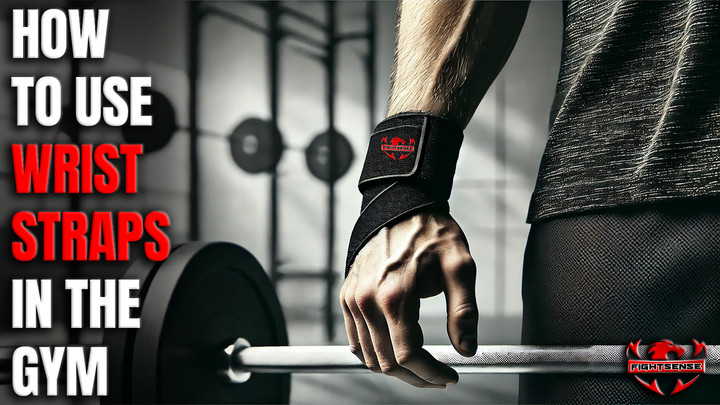
How to use wrist straps in the gym: For anyone serious about strength training, wrist straps are a must-have. These simple tools can make a big difference in weightlifting by improving grip and support. If you’re unsure how to apply them, this guide will explain their benefits and show how they can help you maximize your workouts.
Keynotes:
-
How to apply wrist straps: Loop them around your wrist and the bar for heavier lifts.
-
Why use them: Boost grip and reduce wrist strain during tough exercises.
-
When to use: Only for heavy lifts, not every set.
-
Safety tip: Ensure a comfortable, secure fit for optimal performance.
-
Benefit: Wrist straps reduce injury risk and improve lifting capacity.
What Are Wrist Straps and Why Do You Need Them?
It's crucial to know what wrist straps are before delving into the details of their usage in the gym. Usually composed of sturdy fabrics like cotton, nylon, or neoprene, wrist straps have a loop or hook pattern wrapping around the wrist and the barbell. Usually utilised to improve your grip strength during large lifts, are they?
In the gym, therefore, why would one wear wrist straps? Mostly, they provide grip support so you can lift greater weight and engage in activities free from concern about your grip strength failing you. Wrist straps relieve tension on your hands and wrists for deadlifts, rows, and even bench presses, thus allowing you to concentrate on the target muscles.
How to Use Wrist Straps in the Gym Effectively
Now that you know the goal of wrist straps, let's go over how to utilise wrist straps in the gym properly for best effect:
1. Loop the Strap Over Your Wrist
Start by looping the wrist strap over your wrist, ensuring it is securely fastened but not too tight to cause discomfort. The strap should sit comfortably above your wrist bone to provide support without restricting blood flow.
2. Wrap the Strap Around the Bar or Dumbbell
Next, wrap the strap around the dumbbell or barbell. Loop it so that it forms a secure hold on the bar. Many wrist straps have a loop design that makes this easier. Pulling the strap towards you tightens it, ensuring a strong attachment.
3. Adjust Tightness to Your Needs
Change the tightness of your wrist straps to suit your workout. They should firmly grip the bar without limiting your range of motion. Proper adjustment ensures your grip strength is maintained while still allowing controlled lifting.
4. Use Wrist Straps for Heavy Sets
Wrist straps are ideal for heavy lifts when your grip may give out before your muscles. Exercises like deadlifts or shrugs benefit from wrist straps, helping you maintain grip and increase lifting capacity. Use them anytime your hold starts to feel weak.
5. Avoid Overuse for Lighter Exercises
You may not need wrist straps for lighter sets, such as bicep curls or bench presses. Using straps selectively ensures your grip strength develops naturally, even in exercises where straps aren’t necessary.
What Are Wrist Straps Used for in the Gym?
In the gym, therefore, why would one wear wrist straps? In essence, wrist straps are meant to help your wrists and increase your grip strength during big lifts. For activities that strain your wrists and hands, like these, they are very helpful:
-
Row bars from barbells
-
Rucks
-
Chin-ups and pull-ups
-
Bench presses—for lifting weight
Particularly beneficial for powerlifters and bodybuilders trying to maximise their performance, wrist straps let you lift more weight, complete more repetitions, and prevent the early loss of your grip.
Tips for Getting the Most Out of Your Wrist Straps
Here are some other pointers to guarantee you're utilizing wrist straps correctly:
-
Maximal Lifts Using Wrist Straps: Never depend only on wrist straps for every set. Only for big lifts or when your grip starts to falter should they be utilized.
-
Emphasis on the development of grip. Although wrist straps could improve your performance, they shouldn't be worn constantly either. Add workouts to increase grip strength to prevent depending too much on wrist straps.
-
Comfort comes first: Make sure the wrist straps you decide on fit comfortably. Badly fitted straps could impede your mobility or create pain.
Benefits of Using Wrist Straps in the Gym
Using wrist straps in the gym requires an awareness of their advantages as much as their simple wrapping around your wrists. Using wrist straps offers these main advantages:
-
Wrist straps help you to relax your hands so you may concentrate on lifting bigger weights without thinking about grip tiredness.
-
Avoidance of harm: Particularly in deadlifts, where too much tension on the wrists may cause overuse problems, wrist straps can lower the chance of injury by supporting your wrists.
-
Wearing wrist straps lets you raise more weight and get higher strength increases. When you're aiming for muscular growth or strength training, this really helps.
-
More Repetition: Should your grip fail early, you may work for more repetitions to help to increase muscular strength and endurance.
Shop Now!
Conclusion:
All things considered, every serious lifter should know how to use wrist straps in the gym. These tools offer improved grip, enhanced safety, and increased lifting performance. Proper use can help you overcome plateaus and lift heavier weights—key for muscle growth and strength gains. Remember, while effective, wrist straps should be used intentionally.
For best results, continue training grip and lighter lifts without them, but rely on wrist straps for heavier lifts where grip is the limiting factor. Use them correctly at the gym to experience noticeable improvements in your lifting ability.
Disclaimer:
This blog offers broad fitness advice. Before modifying your exercise programme or employing wrist straps, always see a fitness expert or healthcare practitioner.