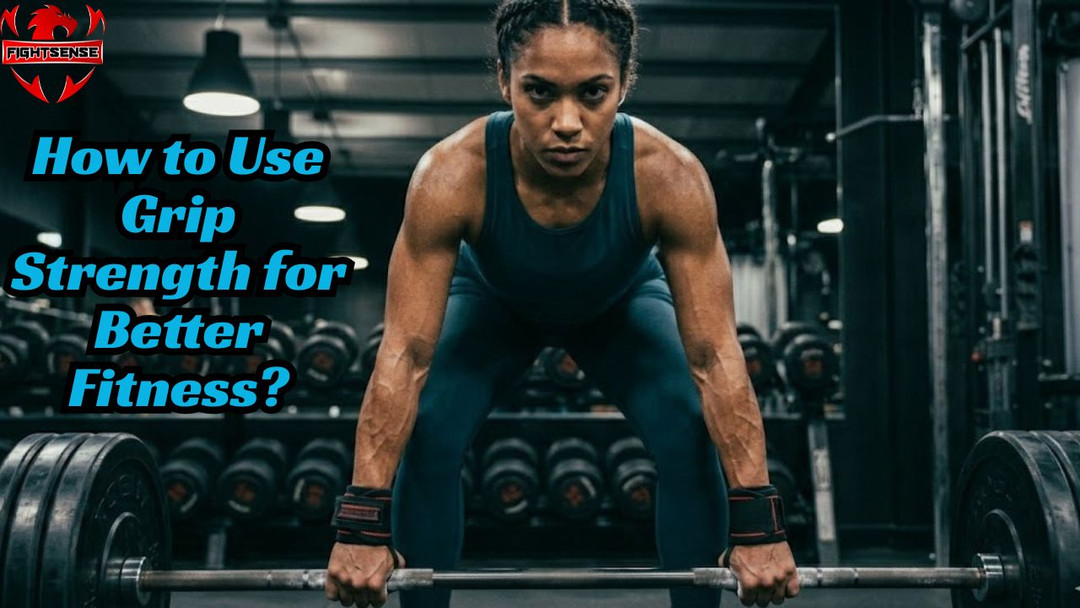
How to Use Grip Strength for Better Fitness?
How to use grip strength is an important part of building overall fitness, yet it is often overlooked. Grip strength refers to the force your hands and forearms can generate when holding, squeezing, or lifting objects. It may seem like a small detail, but it plays a major role in your strength, athletic performance, and daily life activities.
Every time you lift weights, carry groceries, open a jar, or hang from a bar, your grip is actively working. A weak grip can limit your performance in many upper-body exercises, while a strong grip improves lifting ability, increases endurance, and reduces the risk of injury.
In this guide, you will learn to use grip strength effectively, how it benefits your fitness, and how to train it for long-term results.
Keynotes:
What Is Grip Strength and How Does It Work?
Grip strength is how strong your hand and forearm muscles are when you hold, squeeze, or raise something. It works by using the muscles in your fingers, palms, wrists, and forearms together. This helps you do both everyday jobs and hard workouts.
There are three main types: crush grip (used when squeezing something like a hand gripper or handshake), pinch grip (holding something between your thumb and fingers without fully wrapping your hand), and support grip (holding something for a longer time, like hanging from a pull-up bar or carrying weights). Each type is vital for general health and strength in real life.
Why Is Grip Strength Important for Fitness Goals?
Grip strength is strongly related to how well you can do things physically. A lot of people don't pay attention to it, but it can make or break your strength training success.
Makes lifting better
Deadlifts, rows, and pull-ups are all exercises that depend a lot on grip strength. You can't properly work out your target muscles if your grip fails first.
Improves athletic skills
You need good hand control and stamina to play sports like climbing, wrestling, tennis, and gymnastics.
Lowers the Risk of Injury
A solid grip keeps your movements steady and eases the pressure on your wrists and elbows.
Makes your forearms stronger
Grip exercise naturally makes your forearms stronger, which makes them look better and work better.
How to Use Grip Strength in Daily Life and Workouts?
Grip strength is not limited to gym training—it is used in almost everything you do.
In Gym Training
- Deadlifts: Strong grip helps you lift heavier weights safely
- Pull-ups: Your entire body weight depends on grip endurance
- Rows: Better control and muscle engagement
- Farmer’s walks: Build full-body strength and grip endurance
In Daily Activities
- Carrying shopping bags or luggage
- Opening tight jars or containers
- Lifting heavy household items
- Holding tools for long periods
In Sports
- Rock climbing requires constant grip pressure
- Martial arts need wrist and hand control
- Racquet sports rely on grip stability and speed
When you understand how to use grip strength in real life, it becomes clear that it is not just a gym skill—it is a life skill.
How to Train Grip Strength Effectively?
Regular practice of simple workouts might help you get stronger grips. Hand grippers help you get stronger by making you squeeze them over and over again. Dead hangs help you build endurance by making you hold your body weight on a bar for a long time. Walking with heavy dumbbells, like in the farmer's walk, makes your grip and overall stability stronger.
To get the most out of your grip strength, employ it in compound exercises like deadlifts, pull-ups, and rows by keeping control instead of letting your grasp fail too soon. In your daily life, practice holding and carrying things firmly without stopping for no reason. Over time, this makes both your workout performance and your everyday functional strength better.
Best Exercises to Improve Grip Strength:
How Often Should You Train Grip Strength?
Grip muscles recover quickly but still need rest like any other muscle group.
Beginner Level
- 2–3 times per week
- Light to moderate intensity
Intermediate Level
- 3–4 times per week
- Mix of endurance and strength work
Advanced Level
- 4–5 times per week
- Heavy holds, weighted exercises, and progressive overload
Always allow rest days to avoid overuse injuries.
Common Mistakes in Grip Training
A lot of people don't get how to use grip strength because they make basic mistakes:
- Overtraining Doing too much grip work might hurt your wrists and forearms.
- Not paying attention to recovery
- Bad technique
- No progress
- Only training one kind of grip
How to use Grip Strength for Improves Your Overall Performance?
Increasing your grip strength is good for your whole body and your training. It helps you do better on compound exercises like deadlifts and pull-ups because you can hold weights more firmly for longer periods of time.
It also helps you connect your mind and muscles better, which makes it easier to manage your movements during exercises. It also makes you stronger in everyday tasks like carrying, lifting, and holding things. Even little gains in grip strength can make a big difference in how strong and fit you are overall at the gym.
Last Thoughts:
How to use Grip strength may not seem like a significant deal in training, but it has a big effect on how well you do in general and in your daily life. Strong grip strength helps you do practically anything, from lifting bigger weights to getting better at things that take a long time and making routine chores easier.
The most important thing is to stick with it. Simple workouts like dead hangs, farmer's walks, and hand grippers can help you get better over time.
Disclaimer:
The material of this blog is just for educational purposes. See a fitness professional always before starting any new exercise program or utilizing any new equipment.
FAQS:
1. What do you do if your grip gives out while you're lifting heavy?
When your grasp is weak, it makes it harder for you to lift things. You won't be able to do the exercise with full control or maximum load, even if your major muscles are strong.
2. Will a stronger grip lower the chance of strain?
Yes, stronger grip strength makes the wrist and forearm more stable, which makes it safer to lift weights and puts less stress on the joints while training.
3. Why do new trainees get tired of their grips so quickly?
New trainees normally have less endurance in their forearms, which means that the smaller grip muscles get tired faster than the bigger muscular groups.
4. Is it usual for one hand to be stronger than the other?
Yes, it's common for there to be small variances between your dominant and non-dominant hands. Over time, balanced training helps close this disparity.
5. Do grip exercises help you do better in other workouts?
Yes, a stronger grip gives you better control when you pull and lift, which helps you keep better form and finish exercises faster.