
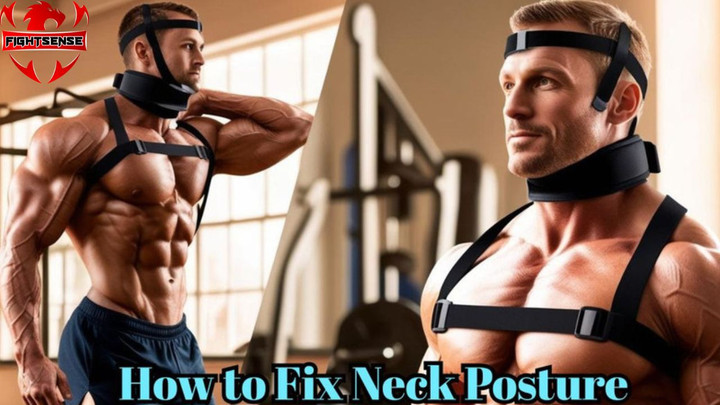
How to Fix Neck Posture with headhrness
24th Apr 2025
How to fix neck posture is essential for reducing pain, stiffness, and headaches caused by poor sitting habits or long hours at screens. The good news is that with the right techniques, you can improve alignment and comfort.This guide will show you effective exercises, stretches, and the benefits of posture correctors. By following these strategies consistently, you can support a stronger, healthier neck for daily activities.
Keynotes:
-
Neck posture exercises strengthen muscles and improve alignment.
-
A posture corrector supports proper neck positioning.
-
Good neck posture eases pain and prevents future issues.
-
Regular exercises reinforce the muscles supporting your neck.
-
Using a posture corrector can speed up posture improvement.
How to Fix Neck Posture: A Complete Guide for Pain-Free Living:
Poor neck posture is more common than you think. Whether you spend hours on your phone, work at a desk, or sleep in awkward positions, your neck often bears the brunt.
Over time, bad posture can lead to pain, stiffness, headaches, and even long-term spinal issues. The good news? With a few simple adjustments and exercises, you can fix your head harness for neck training.
Why is Neck Posture Important?
Maintaining proper alignment in your neck is crucial for overall spinal health and preventing pain. Poor alignment can lead to misalignments in the cervical spine, causing chronic pain, muscle strain, and nerve compression. Over time, this may result in more serious issues like herniated discs or nerve damage.
Correct neck alignment helps distribute weight evenly across the spine, reducing strain and supporting long-term musculoskeletal health
reducing strain on the muscles and ligaments. It also contributes to better alignment of the entire spine, promoting improved posture, balance, and even digestion.
Signs of Poor Neck Posture:
Before fixing your neck posture, it helps to recognize the signs:
-
Forward head posture: Your head juts forward instead of being aligned with your shoulders.
-
Rounded shoulders: Your shoulders slump forward, pulling your neck into strain.
-
Neck stiffness or pain: You may feel soreness after long hours of sitting.
-
Tension headaches: Poor posture often leads to headaches due to muscle strain.
Final Thoughts:
Understanding how to fix neck posture can reduce pain and improve overall comfort. Using posture correctors and targeted exercises consistently ensures lasting benefits. By focusing on how to fix neck posture, you can enjoy better alignment, reduced discomfort, and improved well-being.
FAQs:
1. How long does it take to see improvements in neck posture?
With consistent exercises and ergonomic adjustments, noticeable changes usually appear within a few weeks.
2. Can using a smartphone affect my neck health?
Yes, looking down at devices for long periods can strain neck muscles and worsen posture over time.
3. Are neck stretches enough to correct posture?
Stretches help, but strengthening exercises and proper daily habits are also essential for lasting improvement.
4. Is it possible to maintain good posture while sleeping?
Absolutely—using a supportive pillow and sleeping position aligned with the spine helps protect neck posture.
5. When should I see a professional for neck posture issues?
Consult a healthcare provider if you experience persistent pain, numbness, tingling, or limited neck mobility.