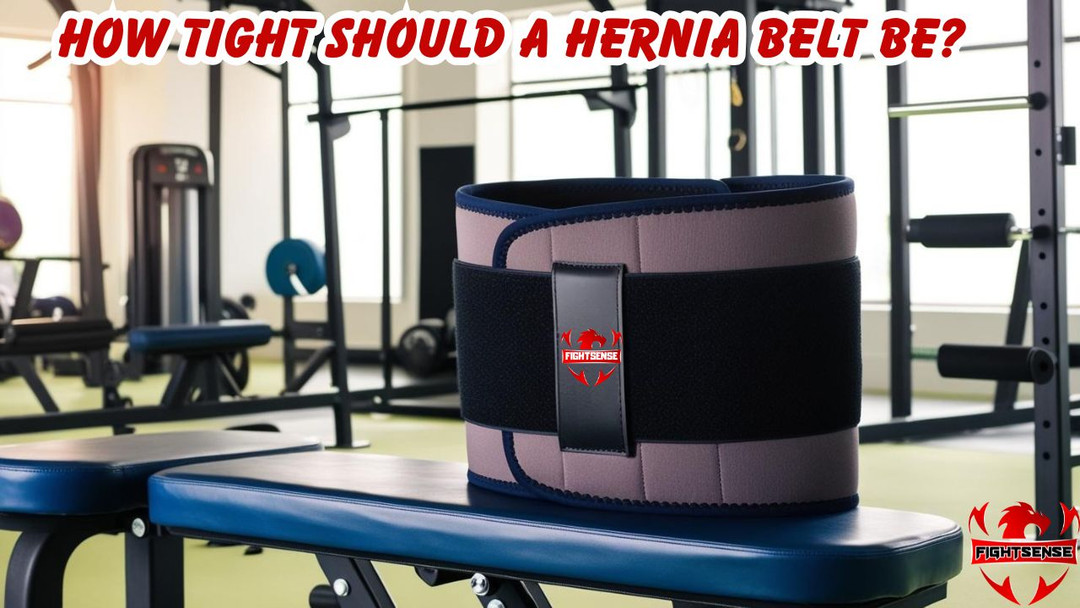
How Tight Should a Hernia Belt Be?
When coping with a hernia, choosing the correct belt can make a significant difference in comfort and recovery. The most common question people ask is, how tight should a hernia belt be? The answer lies in finding the right balance—it should provide firm support to the affected area without cutting off circulation, limiting movement, or causing discomfort.This blog will guide you in finding that ideal fit and explain how hernia belts work, especially their role in weightlifting support and hernia prevention.
Key Highlights:
-
Though not constrictive, a hernia belt should feel snug.
-
While it helps, a hernia belt for weightlifting cannot replace correct form.
-
A hernia waist belt should help without restricting blood flow.
-
While they help to stabilize the core, lifting belts cannot stop hernias.
-
Though comfort is very important, a hernia prevention belt can be helpful.
Why Wear a Hernia Belt for Daily Support and Weightlifting?
A hernia belt helps maintain stability in the affected area, reducing pain and lowering the risk of complications. It provides gentle, consistent compression that supports comfortable movement whether you’re sitting, standing, walking, or going about daily activities.
When it comes to weightlifting, a hernia belt may offer additional support by stabilizing the core during heavy lifts, similar to a weightlifting belt. This added support can help reduce strain on the lower back and abdominal area. However, it’s important to remember that a hernia belt cannot prevent hernias on its own—proper lifting technique, good posture, and a strong core remain essential for long-term protection.
How Tight Should a Hernia Waist Belt Be for Proper Support and Recovery?
A hernia waist belt should feel snug rather than tight, providing steady support to the affected area while still allowing you to move and breathe comfortably. If the belt is too tight, it may cause discomfort or restrict circulation; if it’s too loose, it won’t deliver enough support. Adjust the belt until you feel secure without any excessive pressure.
During hernia recovery, belt support can be a vital aid by reducing strain on the healing area and helping keep everything properly aligned. However, the belt should never feel constrictive. If you notice tightness, pain, or discomfort, loosen it immediately. Comfort is key—ensuring the belt supports recovery rather than causing harm.
Do lifting belts prevent hernias?
Although lifting belts help support the core, they do not directly prevent hernias. A lifting belt increases intra-abdominal pressure, which can provide extra stability to the spine and abdominal muscles during heavy lifts. However, it should not be relied upon as a primary method for hernia prevention.
The most effective ways to reduce the risk of hernias include using proper lifting techniques, avoiding sudden or excessive strain, gradually increasing load, and strengthening the core muscles through targeted exercises. Listening to your body and allowing adequate recovery time are equally important, as overtraining and poor form significantly increase the risk of injury—even when a belt is worn.
Hernia Prevention Belt: Does It Really Provide Support?
-
Helps manage an existing hernia and may reduce the risk of further strain
-
Provides gentle, consistent pressure to support the affected area
-
Useful during daily activities such as walking, standing, or light lifting
-
Acts as a supportive aid, not a permanent treatment or cure
-
Should feel snug and comfortable, never overly tight
-
Excessive tightness can cause discomfort or restrict blood circulation
-
Works best when combined with proper posture, safe lifting techniques, and core-strengthening exercises
Choosing the Right Hernia Belt for Your Needs:
Not all hernia belts are created equal, and selecting the right one can significantly impact comfort and effectiveness. When choosing a belt, consider factors such as size, material, adjustability, and the type of hernia you have. Some belts are designed specifically for daily support, while others offer extra reinforcement for activities like lifting or sports.
Breathable, lightweight materials can improve comfort for all-day wear, and adjustable straps allow you to fine-tune the fit as your needs change. Always consult with a healthcare professional to ensure the belt you choose matches your condition and activity level.
Shop Now !
FAQs:
1. How tight should my hernia belt be?
It should feel snug but not overly tight. The belt should support the affected area without causing discomfort or restricting circulation.
2. Can a hernia belt help during weightlifting?
Yes, it provides extra support by stabilizing your core, but it cannot replace proper lifting technique or good form.
3. Does a weightlifting belt prevent hernias?
No, a lifting belt helps stabilize your core and reduce strain, but it cannot prevent hernias on its own.
4. Is a hernia waist belt effective for recovery?
Yes, it can reduce strain on the healing area and provide support, but it should never be worn too tightly. Comfort and proper fit are essential.
5. Can a hernia prevention belt be worn daily?
Yes, it can be worn daily, as long as it feels comfortable and is adjusted correctly. Avoid wearing it too tight to prevent discomfort or circulation issues.
Conclusion:
The right hernia belt should feel snug—not overly tight—providing steady support without causing discomfort. Whether you’re using it for weightlifting, recovery, or hernia prevention, the main goals are comfort and effectiveness. While a hernia belt can be a helpful tool to support proper lifting and daily activities, your strongest defense remains good posture, correct technique, and a well-conditioned core.
Disclaimer:
This blog is only for informational needs. See a healthcare professional always for guidance on hernia treatment and management.