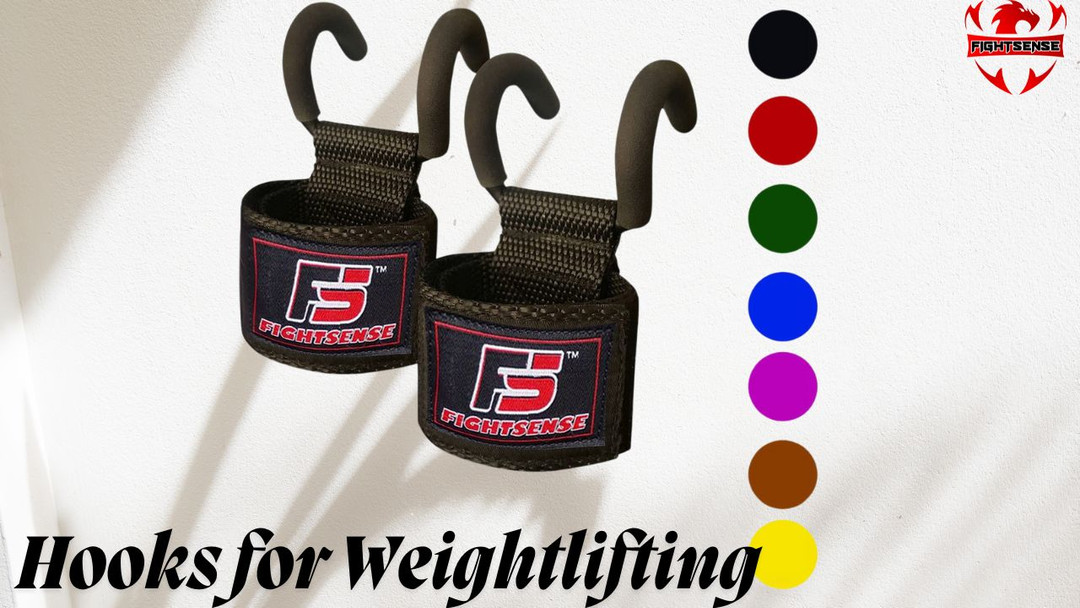
How Hooks for Weightlifting Improve Strength Training
Hooks for weightlifting are essential if you’ve struggled with grip during exercises. Many lifters face this challenge, especially during heavy movements like deadlifts or pull-ups. Weightlifting grips help maintain a secure hold, allowing you to focus on form rather than slipping.
This guide explains what lifting hooks are, how they work, and why they can transform your strength training routine. We’ll also compare them with the hook grip technique to help you choose the best option.
Keynotes
-
Weightlifting hooks reduce grip fatigue for heavier lifts.
-
Focus on form, not grip strength, with hooks for weightlifting.
-
Choose from padded or adjustable weightlifting hooks.
-
Weightlifting hooks help prevent grip failure during heavy lifts.
-
Hooks for weightlifting are great for beginners.
What Are Hooks for Weightlifting?
These are specialized tools that hook onto the barbell to help with grip support. Usually worn around the wrists, these hooks include a robust, changeable strap that fastens your hand to the bar. These hooks primarily help to reduce the pressure on your fingers and forearms during large lifts.
They let you raise more weight without worrying about losing your grasp whether you're executing a pull-up, barbell lift, or any weight training exercise.
How Do Hooks for Weightlifting Work?
For weightlifting, hooks' mechanism is somewhat basic but efficient. The hook itself grips the barbell or other lifting tool when you fasten it around your wrist. This makes a strong link between you and the equipment such that you may lift without depending entirely on the power of your hands or forearms.
Using it lets you concentrate on lifting greater weights and improve your form, lowering your chance of hand muscle tiredness or strain.
Why Should You Consider Using Hooks for Weightlifting?
1. Enhanced Grasp Strength
Particularly on difficult lifts, it provides a consistent means of keeping a strong grasp on the bar. Deadlifts and other workouts where grip strength could restrict your improvement really benefit from this.
2. Improved performance
Reducing the effort needed to hold onto large weights, hooks for weightlifting let you raise more weight and complete more repetitions, therefore improving your gym performance.
3. Lower Forearm Weariness
Many times, heavy lifting causes forearm fatigue, which can make finishing your workout challenging. It frees your hands so you may concentrate on your main muscle groups.
4. Prevention of Harm
Should your grip fail during a lift, you may find yourself sacrificing your form, therefore raising your chance of damage. It guarantees that you keep a safe and under control lift without sacrificing your form.
Hook Grip Weightlifting vs. Weightlifting Hooks
Many lifters argue about which weightlifting technique—traditional or hook grip—to use. The following is a comparison:
-
Weightlifting using Hook Grips: This method locks the barbell by having your thumb around it with fingers. For individuals wishing to develop their grip during lifting, this is a great choice. It can be awkward, though, and mastery requires some work.
-
Tools for weightlifting hooks: For lifters who suffer with grip tiredness, these devices offer quick grip support and are fantastic. They let you concentrate totally on your form and strength, free from concern about your hands giving way.
While all choices have advantages and drawbacks, they can be a better fit for beginners or those lifting particularly large weights.
Understanding Weightlifting Hook Types and Standard Sizes
|
Type of Hook |
Typical Size |
Features |
Best For |
|
Basic Hook Designs |
5–6 inches long with standard wrist straps |
Simple and commonly used hooks that provide a secure grip with minimal extras. Usually made from durable materials like steel or reinforced nylon. |
Lifters who want reliable grip support and durability. |
|
Padded Hooks |
5–7 inches long with wider, padded wrist support |
Designed with extra cushioning around the wrists to improve comfort and reduce pressure during heavy lifts. |
Athletes who prioritize comfort during long or intense training sessions. |
|
Adjustable Hooks |
5–7 inches long with adjustable straps that fit most wrist sizes |
Feature adjustable straps that allow a customized fit and can be easily shared between users. |
Lifters who need a personalized fit or versatile lifting accessories. |
How to Use Hooks for Weightlifting Effectively
While weightlifting with hooks is simple, there are certain pointers to maximize their use:
-
The hooks should be tightly clasped around your wrists and not overly loose. A fitting snug will stop slippage during your lifts.
-
While weightlifting hooks will improve your grip, it's still vital to keep good lifting form to prevent damage and maximize results.
-
Use gradually: Start with getting acclimated to lighter weights by weightlifting utilizing hooks. Add your increasing confidence to more demanding lifts.
Get now !
FAQs
1. What are lifting hooks used for?
Lifting hooks are gym accessories that attach to your wrists and hook onto a barbell or pull-up bar. They help reduce grip fatigue and make it easier to hold heavy weights during pulling exercises.
2. Are gym hooks suitable for beginners?
Yes, gym hooks can benefit beginners by providing additional grip support during exercises such as deadlifts and rows, allowing them to focus on learning proper technique.
3. Which exercises work best with training hooks?
Training hooks are commonly used for deadlifts, shrugs, pull-ups, lat pulldowns, and barbell rows because these exercises place significant demands on grip strength.
4. Do lifting grips help you lift heavier weights?
Lifting grips can help you hold the bar more securely and reduce hand fatigue, which may allow you to perform more repetitions or handle heavier loads during workouts.
5. What materials are commonly used in wrist hooks?
Most wrist hooks feature metal or steel hooks paired with padded neoprene or nylon wrist straps to provide both durability and comfort.
6. How do you select the right weight training accessories?
When choosing weight training accessories, consider factors such as hook material, wrist padding, adjustability, and weight capacity to find the best option for your lifting needs.
7. Are pull-up hooks better than lifting straps?
Pull-up hooks offer quick setup and extra wrist support, while lifting straps provide more versatility and can help develop grip strength. The ideal choice depends on your training goals.
8. Can grip-assist hooks be used for every workout?
Yes, grip-assist hooks can be used during heavy pulling sessions, but alternating them with regular lifts is recommended to maintain and improve your natural gripping ability.
Final Thoughts
Any lifter's toolkit should include weightlifting grips, especially if you’ve ever struggled with hand fatigue during intense training sessions. These lifting hooks allow you to lift heavier and train harder by reducing reliance on hand strength, improving overall power and performance.
They help you advance your workouts regardless of experience level. The hook grip technique is another option if you prefer a more natural hold. Using either method, your grip won’t limit your lifting potential.