
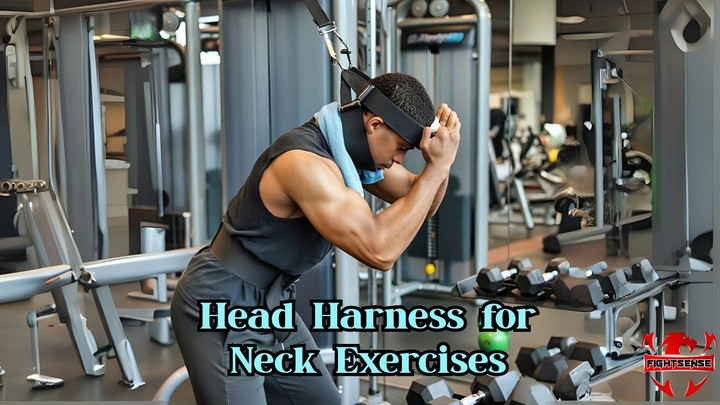
Head Harness for Neck Exercises: Improve Neck Power
10th Apr 2025
The head harness for neck exercises is a key tool for building a strong, stable neck, improving posture, boosting sports performance, and preventing injuries. It works both deep and surface neck muscles through controlled resistance, making it safe and effective for strengthening routines.
Popular among MMA fighters, boxers, and wrestlers, the harness is usually made from durable leather or heavy-duty nylon, offering comfort, adjustability, and a secure fit for efficient workouts.
Key Points:
-
The head harness targets all major neck muscles through focused, controlled resistance.
-
Begin with light weights and emphasize slow, precise movements to ensure safety.
-
Train two to three times per week, allowing adequate rest and recovery between sessions.
-
Suitable for athletes, bodybuilders, and individuals undergoing neck rehabilitation.
-
Prioritize mastering proper technique before increasing resistance or adding more weight.
Head Harness: Overview & Benefits:
A head harness is a wearable training device designed to strengthen the neck by adding controlled resistance to various movements. It typically consists of adjustable straps that fit securely around the head, with a chain or strap attachment for adding weight plates.
How it works:
By moving the head against the resistance of the attached weight, the harness engages both superficial and deep neck muscles, allowing for targeted strengthening in multiple directions—forward, backward, and sideways.
Target muscles:
-
Front neck muscles (flexors)
-
Back neck muscles (extensors)
-
Side neck muscles (lateral flexors)
-
Supporting stabilizers of the upper spine
Benefits:
-
Builds neck strength and stability
-
Improves posture and alignment
-
Reduces the risk of injury
-
Enhances athletic performance in sports like MMA, boxing, and wrestling
The head harness is a versatile tool suitable for athletes, bodybuilders, and individuals undergoing rehabilitation, making it a key addition to any strength training routine.
How to Use a Head Harness for Neck Exercises Step-by-Step Guide:
Using a head harness effectively involves controlled movements and proper technique. Start with light weights to master form before progressing to heavier resistance. Perform these exercises 2–3 times per week, allowing adequate rest between sessions.
1. Neck Flexion:
Target: Front neck muscles (flexors)
-
Attach a light weight to the head harness.
-
Sit or stand upright with your back straight.
-
Slowly tilt your head forward, bringing your chin toward your chest.
-
Return to the starting position in a controlled manner.
2. Neck Extension:
Target: Back neck muscles (extensors)
-
Attach the weight behind the head harness.
-
Sit or stand upright.
-
Slowly tilt your head backward against the resistance.
-
Return to neutral position with control.
3. Side Neck Raises:
Target: Side neck muscles (lateral flexors)
-
Attach a light weight to the harness.
-
Tilt your head slowly toward one shoulder.
-
Return to center and repeat on the other side.
4. Static Neck Holds:
Target: All neck stabilizers
-
Wear the harness with an appropriate weight.
-
Hold your head in a neutral or slightly flexed/extended position against resistance.
-
Maintain tension for 5–10 seconds, then relax.
Advantages of Using a Head Harness:
Using a head harness provides multiple benefits for athletes, fitness enthusiasts, and individuals in rehabilitation programs. Key advantages include:
-
Improves neck strength – Builds powerful, resilient muscles for better stability.
-
Reduces injury risk – Helps absorb impact and protects the head and spine during physical activity.
-
Enhances athletic performance – Supports balance, control, and agility in sports like MMA, boxing, and wrestling.
-
Improves posture – Strengthens neck and upper spine muscles to maintain proper alignment.
Common Users of a Head Harness:
The head harness is a versatile tool suitable for a wide range of individuals looking to strengthen their neck and improve overall performance. Typical users include:
-
Fighters – MMA athletes, boxers, and wrestlers who need neck stability and impact resistance.
-
Strength Athletes – Bodybuilders and weightlifters aiming for balanced upper body development.
-
Fitness Enthusiasts – Individuals focusing on posture, neck stability, and functional fitness.
-
Beginners – Those new to neck training seeking a safe, controlled way to build strength gradually.
Head Harness Neck Workout:
A head harness neck training increases neck muscle strength and growth in a systematic manner. Two to three times a week, here is a basic schedule.
| Exercise | Target Area | Sets | Reps/Duration |
|---|---|---|---|
| Front Neck Extension | Neck Flexion | 3 | 12–15 reps |
| Back of Neck Lateral Raises | Neck Flexion | 3 | 12–15 reps |
| Side Neck Raises | Side Neck Muscles | 3 | 10 reps (each side) |
| Still Hold (Any Angle) | Side Neck Muscles | 3 | 20 seconds (each hold) |
Start with little weight and raise resistance with time. Continually give form and movement control top priority.
Typical Mistakes to Avoid:
Avoid these typical mistakes while doing neck exercises with a harness:
- Beginning with big weights, first developing control
- Having bad posture could aggravate strain
- Too often training the neck without rest
- Rushing representatives instead of applying deliberate, gradual motion
- Ignoring pre-weight set warm-up motions
Correct form and slow improvement will enable you to train consistently free from injury.
Conclusion:
Neck strength is essential for balance and injury prevention, and a head harness for neck exercises is one of the most effective tools for targeted muscle training. With proper form, gradual resistance, and a consistent routine, you can improve strength, posture, and overall performance.
Whether for sports, rehabilitation, or general fitness, adding a head harness to your workouts is a smart choice. For safe, optimal results, use correct technique, follow a structured routine, and choose the right head harness exercises.
FAQs:
1. Is head harness training suitable for beginners?
Yes, beginners can safely build neck strength by starting with minimal weight and focusing on controlled movements under proper guidance.
2. How does a head harness improve athletic performance?
By reinforcing neck stability and spinal alignment, it enhances balance, agility, and reaction time—key elements for contact sports and dynamic workouts.
3. Can I train my neck every day using a harness?
Daily training isn’t recommended. Muscles need recovery, so 2–3 focused sessions per week yield the best results without overloading the neck.
4. What types of movements should I perform with a head harness?
Include forward tilts, backward extensions, lateral raises, and static holds to target all neck planes for comprehensive strength.
5. How do I know if I’m using the harness correctly?
Proper use is indicated by smooth, controlled motions without pain or jerky movements. Start light and gradually increase load while maintaining good posture.
Note: