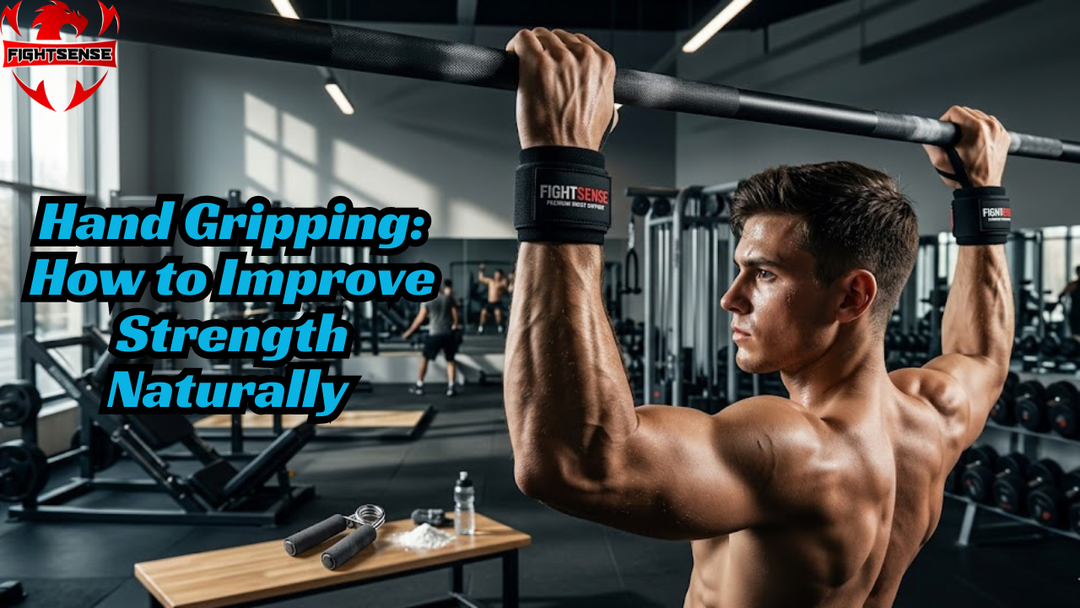
Hand Gripping: How to Improve Strength Naturally
Grip strength is a key part of human physical performance that often gets overlooked in fitness training. A strong hand gripping ability is not only useful for athletes but also for everyday life activities like lifting, carrying, and holding objects for longer periods without fatigue.
Modern training philosophies such as Fightsense's new strategy emphasize developing natural strength patterns through consistency, body awareness, and functional exercises rather than relying only on machines.
Keynotes:
- Strengthen hand gripping power with consistent, simple training
- Boost forearm endurance and overall upper body control
- Improve performance in sports, gym, and daily activities
- Develop stronger wrists and reduce strain-related injuries
- Build long-term functional strength through steady practice
Understanding Hand Gripping:
Grip strength is the total force produced by the muscles of the fingers, palm, wrist and forearm. It is a measure of how well someone can grip or squeeze objects using force.
When your grasp in the hand is weak, the stamina for physical work will go down fast. But, increasing this strength will improve the stability, coordination and muscular control of the upper body.
Interestingly, grip strength is also employed in sports science as a measure of overall body strength and health performance.
Types of Grip Strength:
There are three main types of grip strength that directly affect hand gripping performance:
1. Crushing Grip
This is the ability to squeeze something between your palm and fingers, like a handshake or gripper tool. It mainly builds raw power and is important for lifting, pulling, and strong hand control in daily tasks.
2. Pinch Grip
This involves holding objects between your fingers and thumb, such as plates or weights.It improves finger strength and is very useful in activities that require precision and fine control.
3. Support Grip
This is the ability to hold something for a longer duration, like hanging from a bar. It develops endurance in the hands and forearms, helping you maintain grip without fatigue for a longer time.
Practical Benefits of Strong Grip:
- A strong grip improves performance in sports, gym workouts, and even professional tasks like construction or manual labor.
- It also enhances confidence and control in physical movements, making daily life easier and more efficient.
Reasons for Weak Grip Strength:
Modern lifestyle patterns are making many people have a weak grasp. Lack of physical exercise, overuse of the phone and absence of resistance training can weaken the gripping capacity of the hands over time. Another key factor is weak forearm muscles, which directly impact endurance and control.
Fightsense’s new technique has inspired fitness methods that focus on gradual resistance and control of movement to restore natural patterns of strength.
Advanced Grip Exercises for Strength Training:
1. Plate pinch grip
Holding weight plates together with fingers alone builds pinch strength and hand gripping control.
2. Bar Exercises
Wrapping towels around weights or using thicker bars makes the hands work, thereby building grip endurance.
3. Static Hold Training
Holding dumbbells or bars in a fixed posture develops muscular endurance and hand gripping stability.
4. Rice Bucket Training
Diving in rice and doing activities strengthen fingers and tendons, and enhance flexibility.
5. Exercises for Reverse Curl
This works on the extensors of the forearm, building strength and increasing the power of the hand grasp overall.
How Recovery Improves Grip Strength?
Recovery is key to improving grip strength because your muscles and tendons grow when you’re not exercising, not when you’re working. Not getting enough rest slows down the progress and the hands may tire fast, which decreases the total performance.
Overtraining can also raise the risk of injury and decrease grip strength rather than boost it. A well-rounded training program with correct rest and recovery cycles will result in sustained, safe, long-term gains in grip strength.
Lifestyle Habits That Improve Grip:
Small daily habits also influence hand gripping strength:
- Carrying groceries without assistance
- Using stairs instead of elevators
- Doing manual tasks whenever possible
- Reducing dependency on comfort-based tools
These activities naturally engage forearm muscles and improve functional strength.
Training Mistakes to Avoid:
Many people make blunders which impede the pace down:
- Training one grip
- Using too much weight too soon
- Overlooking wrist mobility
- Failure to track progress
- After these faults are fixed, the hand gripping performance will increase gradually.
Concluding Remarks:
Developing grip strength is a gradual process that takes time, consistency, correct form and patience. If you exercise hard enough and recover enough, anyone can get a lot better at holding things with their hands over time.
A solid practice that focuses on increasing overload, proper form and appropriate rest will help create stronger and more stable grip performance in a safe way.
In the end, having a firm grip will improve your performance in everyday life and decrease your chances of injury, and develop long-term physical fitness and general strength.
Disclaimer:
Before starting a new workout plan, you should always talk to a fitness expert or your doctor. The results of Grip Conditioning exercises may differ from person to person.
FAQs:
1. How much time is needed to build grip strength?
With regular practice, slight improvement can be felt in about 2–4 weeks, while solid strength development usually appears after 6–8 weeks.
2. Is it possible to improve grip without gym tools?
Yes, everyday items can be used effectively. Exercises like towel squeezing, hanging from a bar, and carrying weighted objects help build hand strength.
3. Why does my grip get weak during exercise?
This often happens when forearm muscles are not fully trained, recovery is insufficient, or the workout load is too high for current strength levels.
4. How frequently should grip training be done?
Training 2–4 times weekly is ideal, as muscles need recovery time to rebuild and become stronger.
5. What method works best for faster grip improvement?
A combination of holding, squeezing, and hanging movements with gradual intensity increase and proper rest delivers the most effective results.