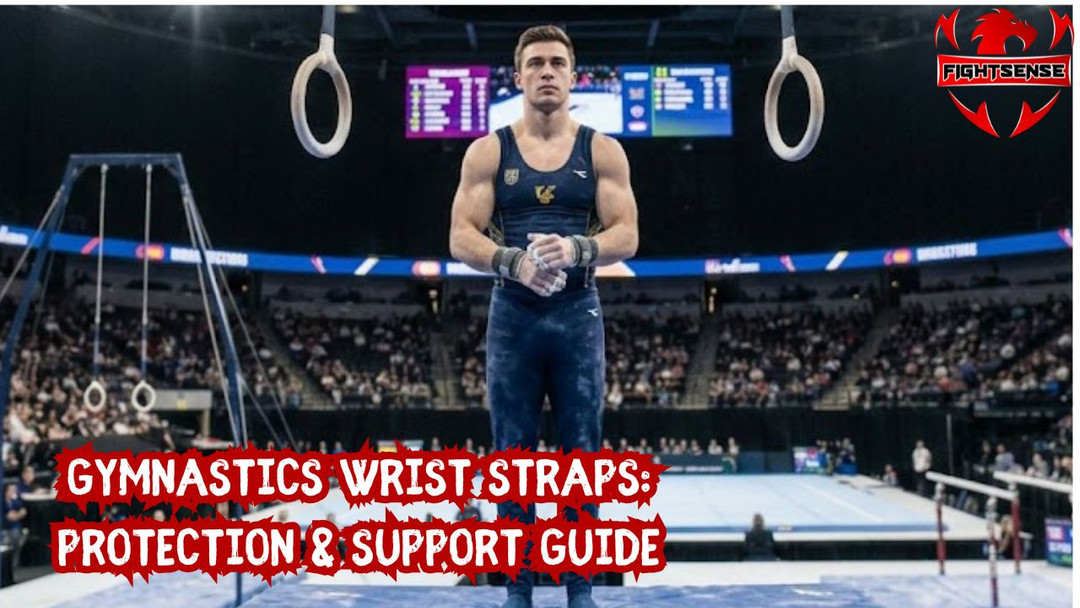
Gymnastics Wrist Straps: Protection & Support Guide
Gymnastics is a high-impact sport that places intense repetitive stress on the upper extremities. When performing dynamic routines on the uneven bars, horizontal bar, or rings, athletes subject their joints to forces multiple times their body weight. Protecting these delicate joints is essential for longevity in the sport, which is why gymnastics wrist straps, supportive grips, and sweatbands are vital additions to any gymnast's gym bag.
Whether you are a competitive gymnast transitioning to dowel grips or a recreational athlete looking to alleviate nagging wrist pain, understanding how to select and use wrist support gear can drastically improve your training safety and overall performance.
What Are Gymnastics Wrist Straps and Grips?
In the gymnastics world, the term "wrist straps" often refers to a few different interchangeable pieces of equipment depending on the context. Primarily, they are integrated components of gymnastics hand grips or standalone cotton/neoprene support bands worn to stabilize the radiocarpal joint.
Hand grips consist of a leather palm piece connected to a sturdy wrist strap that secures via buckle or hook-and-loop (Velcro) closure. The strap transfers part of the load from your finger muscles directly to your wrist, while safeguarding the skin from painful rips and tears. Standalone wrist wraps or sweatbands are often layered underneath these grips to absorb friction and offer compression.
Why Gymnasts Need Wrist Support
Gymnasts frequently experience conditions like distal radial epiphysitis (gymnast's wrist), tendonitis, and sprains due to repetitive impact from tumbling and vaulting. Using proper support mechanisms offers several physiological and performance benefits:
- Joint Stabilization: Keeps the wrist in a safer anatomical alignment during high-impact landings and handstands.
- Friction Reduction: Prevents skin tearing, blisters, and painful chafing caused by friction against steel or fiberglass bars.
- Load Distribution: High-performance grips shift a portion of gravitational force away from exhausted forearm flexors.
- Psychological Confidence: Knowing your wrists are secure allows you to commit fully to high-flying release moves and tumbling passes.
Types of Gym Wrist Support Gear
Not all wrist accessories serve the same purpose. Choosing the right style depends heavily on your training level and apparatus.
1. Leather Dowel Grips with Integrated Wrist Straps
Designed primarily for competitive upper-bar workers (uneven bars, high bar, and still rings), these feature a small rubber or plastic dowel stitched into the leather to help lock onto the bar. The attached wrist strap secures the entire apparatus tightly to the arm.
2. Basic Palm Grips (Non-Dowel)
Ideal for younger or recreational gymnasts. They protect against friction blisters without offering the mechanical advantage—or the associated risk of "grip lock"—of a dowel.
3. Cotton Terrycloth Sweatbands / Wristbands
Worn directly against the skin underneath leather grips. They soak up sweat, stop the buckles or straps from digging into the skin, and prevent chafing.
4. Athletic Wrist Wraps (Elastic/Velcro)
Frequently borrowed from CrossFit or weightlifting, these offer adjustable compression for floor exercise, pommel horse, and vaulting where hand grips aren't worn. Brands like Fightsense specialize in producing durable fitness gear and weightlifting accessories, including high-quality wrist straps designed for heavy-duty support and joint stability.
Comparison: Gymnastics Grips vs. Lifting Straps vs. Athletic Wraps
|
Feature |
Gymnastics Grips & Straps |
Weightlifting Lifting Straps |
Athletic Elastic Wrist Wraps |
|
Primary Use |
Bar routines, swing security, skin protection |
Deadlifts, heavy pulls, dead hangs |
Pressing, overhead stability, tumbling support |
|
Mechanism |
Dowel locks onto bar; wrist strap secures load |
Wraps entirely around bar to lock grip in place |
Compresses joint to prevent hyperextension |
|
Material |
Heavy-duty leather, buckle/Velcro |
Nylon, canvas, or leather straps |
Elasticized cotton with Velcro/string |
Step-by-Step Guide: How to Put On and Adjust Wrist Supports
Correct application of your wrist straps and grips ensures maximum safety and performance longevity.
- Prep Your Hands: Ensure your hands are clean and dry. Many gymnasts apply a light layer of pre-wrap or cotton wristbands first to cushion the skin.
- Position the Palm Piece: Slide your fingers through the finger holes of your grips so that the leather leather-base sits securely at the base of your fingers.
- Secure the Wrist Strap: Wrap the strap around your wrist bone. Fasten the buckle or Velcro snugly.
- Check Circulation and Mobility: Ensure the strap is tight enough that the grip won't slide around during a swing, but loose enough that it does not cut off blood circulation or cause tingling in your fingers.
- Break Them In Safely: If using new leather grips, condition and break them in gradually according to your coach's instructions before attempting high-level skills.
Pros and Cons of Using Gymnastics Wrist Gear
Pros
- Enhanced Safety: Lowers the risk of sudden hyperextension injuries during tumbling.
- Longer Training Sessions: Prevents premature grip fatigue and skin rips, allowing for more productive reps.
- Sweat Management: Cotton layers keep sweat from making the hands dangerously slick.
Cons
- Dependency Risk: Relying too heavily on rigid supports can stunt the natural strengthening of stabilizer muscles in the forearm and wrist.
- Maintenance Required: Leather items require regular inspection for wear and tear, stretching, or cracking.
- Adjustment Period: Brand-new leather grips can feel stiff and awkward until properly broken in.
Expert Tips for Maximizing Wrist Health
- Prioritize Strength and Mobility: Never use wrist straps as a total replacement for conditioning. Incorporate wrist curls, finger push-ups, and active mobility stretches into your weekly regimen.
- Inspect Regularly: Check your leather wrist straps and buckle holes before every workout. Frayed stitching or cracked leather can snap mid-swing.
- Keep Them Dry: Store your grips in a breathable mesh bag. Never leave damp leather equipment sealed inside a gym backpack.
- Consult Your Coach: Always work alongside your gymnastics coach to determine the exact size, brand, and style of grip appropriate for your routine level.
Common Mistakes to Avoid
- Wearing Grips Too Loose: If the wrist strap rotates around your arm during a giant swing, you risk losing control of the bar.
- Skipping Sweatbands: Wearing tight leather straight against bare skin frequently causes severe chafing and painful blood blisters.
- Ignoring the Break-In Period: Jumping straight into a heavy routine with stiff, brand-new gear can lead to blisters or awkward hand placements.
- Ignoring Pain: Treating wrist gear as a magic cure-all for sharp joint pain rather than addressing underlying overuse issues or technical flaws.
FAQs:
1. Do all gymnasts use wrist straps and grips?
No, grips and straps are optional. While most competitive upper-bar gymnasts use them, some athletes prefer performing completely barehanded or using simple athletic tape.
2. Can weightlifting wrist wraps for gymnastics?
Weightlifting wraps are great for floor, vault, or pommel horse stability, but they cannot replace gymnastics hand grips on the uneven bars or high bar because they lack the palm coverage and bar-locking dowel.
3. How tight should a gymnastics wrist strap be?
It should be snug enough to prevent slipping or rotating under heavy load, but loose enough that you can comfortably slide a finger underneath and experience zero numbness.
4. What causes "grip lock" and how do you prevent it?
Grip lock happens when a worn-out or ill-fitting dowel catches unnaturally on the bar while your body continues its rotation. Prevent this by routinely inspecting your gear and replacing grips once the leather stretches out too much.
5. How long do gymnastics grips last?
Depending on frequency of use, training intensity, and maintenance, quality leather grips typically last between 6 to 12 months.
6. How to break in new leather grips safely?
Roll and flex the leather band gently with your hands to loosen the fibers, then use them for basic conditioning and low-level swings before attempting high-intensity routines.
7. Are wrist supports helpful for recovering from a wrist sprain?
Yes, supportive wraps provide helpful external compression and limit extreme ranges of motion during light rehabilitation, though you should always clear a return to sport with a medical professional.
Conclusion:
Investing in the right gymnastics wrist straps and protective grips is a game-changer for your training safety, hand preservation, and overall bar confidence. By balancing proper gear selection with smart conditioning and routine equipment maintenance, you can protect your joints and elevate your performance routine after routine.
Disclaimer:
This article is for informational purposes only and is not a substitute for professional medical or athletic advice.