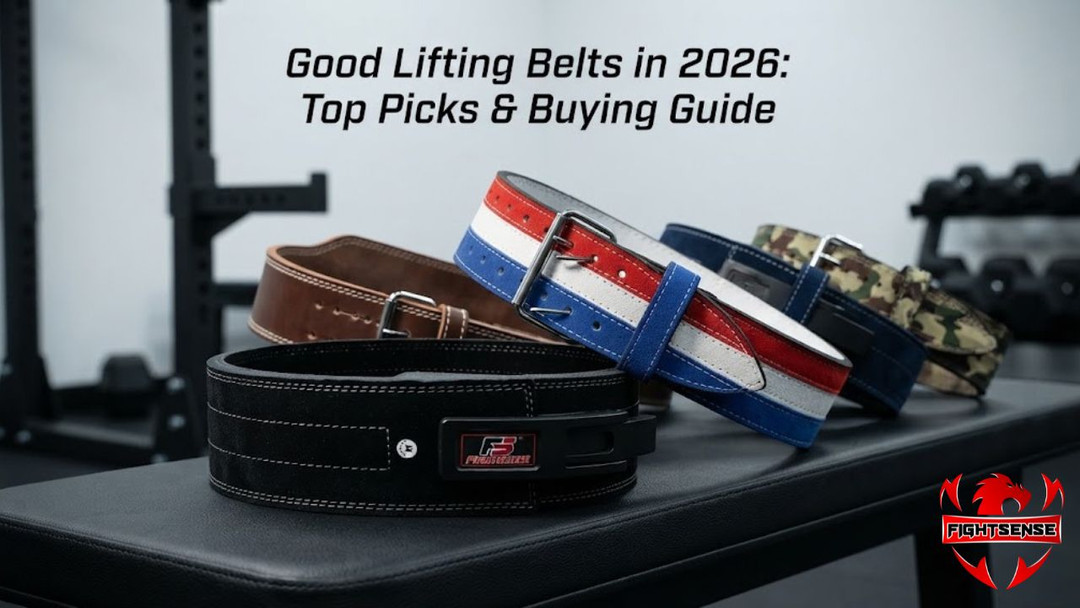
Good Lifting Belts in 2026: Top Picks & Buying Guide
Good Lifting Belts can make a big difference in your training when you are working on strength, stability, and heavier lifts. A lifting belt may look like a simple gym accessory, but for many athletes, it becomes an important part of their workout routine by providing extra support during challenging movements.
When performing exercises like squats, deadlifts, or other compound lifts, the right belt can help improve confidence and control. However, with so many options available, choosing the right one can be confusing.
In this guide, we’ll explore what makes a quality lifting belt worth buying, which features actually matter, and how to find the best option in 2026.
Looking for the Best Lifting Belt?
Beginners often make the mistake of choosing a belt merely because it looks professional. A thick belt may look tough, but the best one for you will depend on your workout style.
A casual trainer may choose a flexible belt that allows for flexibility of movement while a devoted strength athlete may require a tighter fit for maximum support.
A good lifting belt should feel like a workout partner, helping you with your effort, not getting in the way.
Search for Before You Buy:
- Fits closely yet allows movement
- comfy fabric
- Robust construction
- Reliable support with the heavy lifts
- Built for the long term
Usually the right belt is not the most expensive. It is the one that matches your objectives.
Why do lifters wear belts for heavy training?
More stability for heavy lifts
It takes more than muscle to perform the heavy lifting. “You need stability, control and the right technique to be able to handle tough weights properly.”
A lifting belt with sufficient bracing can help lifters gain more core support. A stronger, solid core offers better control of activities like squats and deadlifts.
More Confidence Below the Bar
Many experienced lifters use belts on their biggest sets because they feel more prepared when the pressure is on. A belt can offer some additional support for your stomach so you can focus on your movement and form.
For example, in a heavy squat, the extra aid can make the lifter feel safer and more confident through the movement.
Support – It’s Not a Shortcut
A belt does not replace strength, training, or right technique. It’s more of a strategy to help you do the work with more confidence when the load gets heavy.
What Are Good Lifting Belts Worth Buying?
Not all the belts you find online are worth their price. The difference between mediocre and good equipment is usually in the minor things.
What To Look For In Good Lifting Belts?
Quality of Materials
The material affects comfort, support, and longevity.
Serious lifters appreciate leather belts because they are strong and durable. Real leather will break in over time to be more comfortable as it conforms to your body.
Nylon belts are less stiff and lighter. They’re a great choice for beginners or people who want greater freedom while working out.
Build Quality
A good belt should have:
- Strong seams
- Material resistant
- Secure fastening system
- Even thickness
You can use a belt hundreds of times; therefore, it should last.
Which Lifting Belts Are Best For Your Training Goals?
Depending on your training style, expertise, and the amount of support you require, you’ll want to get the right lifting belt for you. There are numerous good lifting belts for various purposes. The ideal option is the one that fits your training regimen.
If you plan on doing a lot of heavy-duty strength training, leather belts are a good choice. Leather belts are a quick and snug fit, while flexible choices tend to be the choice of beginners who want more comfort and mobility.
When picking Lifting Belts, evaluate the quality of the materials, the comfort, and how well the belt supports your lifting goals. A quality belt should be one that allows you to work out with confidence and not hinder your performance.
What Details Should You Really Look for Before You Buy?
Check these vital points before you buy a belt:
Right Size
The belt should fit snugly around your waist. If it’s too loose, it may not offer enough support. If it is overly tight, this can become uncomfortable.
Closing System
The buckle or lever should remain locked when moving. A poor closure can damage your confidence when lifting.
Purpose of Training
Ask yourself.
- Strength training?
- Do you perform general gym workouts?
- Are you planning on large lifts?
Your answer will dictate your choice.
Top Picks: Lifting Belts Worth Considering in 2026
When choosing among the best options, focus on what fits your training.
|
Option |
Best For |
Why Consider It |
|
Leather Lifting Belt |
Heavy training |
Strong support and durability |
|
Lever Belt |
Frequent lifters |
Fast adjustment and secure fit |
|
Nylon Belt |
Beginners |
Comfortable and flexible |
|
Fightsense Lever Belt |
Strength-focused workouts |
Designed for practical gym use |
Fightsense is a fitness brand that provides strength training equipment, including lever belts for lifters looking for reliable support during regular workouts.
The goal is not to own the most equipment. The goal is to choose equipment that helps you train better.
What I Learned After Using Lifting Belts
Weightlifting belts taught me that confidence and steadiness are just as vital as strength. A belt won’t make you all of a sudden strong, but it does make you feel more ready while you’re doing heavy lifts.
The right belt will be a terrific complement to your routine and a solid piece of your training. For instance, Fightsense provides strength training gear, such as lever belts, designed to offer lifters increased support and comfort throughout their workouts.
Common Mistakes Made by Lifters in Choosing a Belt
- Improper Use of a Belt – First, learn the mechanics of your lifts well before adding a belt.
- Style Over Performance – What good is a stylish belt if it doesn’t help your training?
- Ignoring Comfort – Pick a belt that feels secure and comfortable through your workouts.
- Looking only at price — Cheap choices can not be durable or valuable in the long run.
- Skipping Quality Checks – Always think about material, support, and build quality before buying.
FAQs:
Does a lifting belt help my max strength?
A belt doesn’t build strength but can help with stability and confidence in the lift.
Do I need to use a belt for every workout?
No, use it when you need that little bit of extra help on hard or demanding lifts.
Why do athletes opt for lever belts?
Lever straps allow rapid adjustment, a secure fit, and constant support.
Are bigger belts always better?
Not all the time. The greatest belt is the one that fits your body, your exercise style,e and your comfort.
Can a belt substitute for core training
No, it supports your core but does not replace strength training.
Final Thoughts:
The right belt need not be hard to choose. The best choice is what fits your training approach, fits your goals, ls and feels good when you’re working out.
2026 Lifters have more options than ever before, but quality remains king. Whether it is leather, nylon, or lever type, pick durability and performance.
Not a shortcut to strength, but a tool for training with more confidence, is what a good lifting belt is.
Train smart, train hard, train consistently, and let your training do the work.
Disclaimer:
This guide is for informational purposes only. Choose lifting equipment based on your training needs and consult a professional if needed.