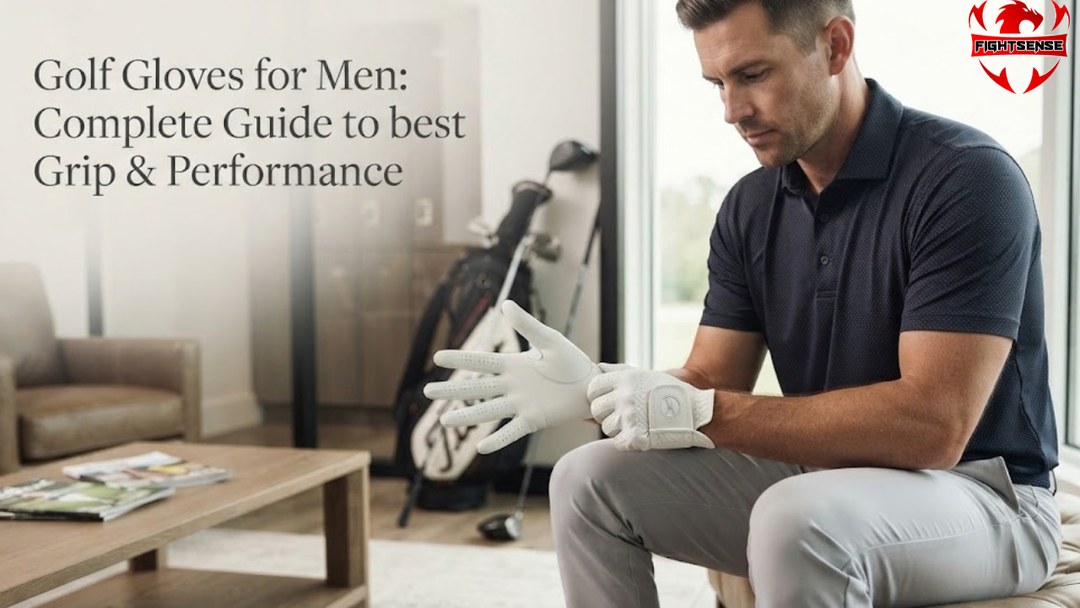
Golf Gloves for Men: Complete Guide to best Grip & Performance
Every golfer knows that the swing starts long before the backswing—it starts with your connection to the club. When searching for the best Golf Gloves for Men, finding the right balance between tackiness, comfort, and durability can transform your game. Slipping hands, sweaty palms, or bulky seams can ruin your timing, cost you distance, and turn a great round into a frustrating outing.
Whether you are a weekend player looking to shave strokes off your handicap or a seasoned golfer searching for long-lasting weather protection, this ultimate guide covers everything you need to know about material selection, proper sizing, off-course grip maintenance, and gear longevity.
Why the Right Golf Glove Matters for Men
A golf gloves for men acts as a second skin, creating a high-friction barrier between your hands and the rubber or cord grip of the golf club. Without a glove, natural skin oils and moisture force you to squeeze the handle tighter. This excessive grip pressure causes tension in your forearms, shoulders, and wrist joints, which restricts your natural release and kills swing speed.
Using a properly fitted golf glove allows you to hold the club with light, controlled pressure while maintaining maximum control throughout the hitting zone.
Key Types of Golf Gloves for Men: Cabretta Leather vs. Synthetic
Choosing the right glove material depends entirely on your playing conditions, budget, and preference for feel versus durability.
- Cabretta Leather Gloves: Made from high-grade sheepskin, Cabretta leather provides an ultra-soft feel, maximum feedback, and premium tackiness. Professional golfers almost exclusively use leather because it molds perfectly to the hand's contours.
- Synthetic Golf Gloves: Built from advanced microfibers and synthetic materials, these gloves offer superior durability and flexibility. They resist tearing, handle sweat well, and often feature stretch panels across the knuckles.
- All-Weather & Rain Gloves: Crafted with specialized suede or microfiber weaves, these gloves actually gain grip as they get wet. They are essential for damp mornings, humid climates, or rainy rounds.
Cabretta Leather vs. Synthetic vs. All-Weather Gloves
|
Feature |
Premium Cabretta Leather |
High-Tech Synthetic |
All-Weather / Rain Gloves |
|
Feel & Sensitivity |
Exceptional / Second-Skin |
Good / Moderate |
Standard / Structured |
|
Durability |
Moderate (Wears faster) |
High (Long-lasting) |
Very High |
|
Moisture Handling |
Low (Drying stiffens it) |
High (Quick-drying) |
Maximum (Grips better wet) |
|
Best For |
Dry weather & Tour performance |
Practice rounds & Daily play |
Humidity, Rain & Cold weather |
|
Average Lifespan |
10–15 rounds |
20–30 rounds |
30+ rounds |
How to Find Your Exact Golf Glove Size
Most men wear a golf glove that is at least one size too big. A loose glove causes the material to bunch up in the palm, leading to friction blisters and early tearing.
Golf gloves for men are worn on your lead hand (the left hand for right-handed golfers, and the right hand for left-handed golfers). Sizes typically range from Small to XXL, along with specialized Cadet sizing. Cadet gloves feature slightly shorter fingers and wider palms, making them ideal for golfers with broader hands.
Step-by-Step Guide: Fitting Your Golf Glove Correctly
- Unpack and Smooth: Lay the glove flat and open the Velcro tab completely.
- Insert Fingers First: Slide your fingers into the openings one by one, working the material down to the webbing at the base of each finger.
- Align the Palm: Pull the palm material flat across your hand without stretching the seams unnaturally.
- Secure the Velcro Tab: Fasten the closure tab. The Velcro should close smoothly, leaving about 75% of the tab covered. If the closure covers 100% of the Velcro easily, the glove is too large and will stretch out during play.
- Check for Excess Material: Make a fist. The glove should feel snug across the back of the hand and knuckles without any loose material gathering in the palm.
The Role of Multi-Sport Ergonomics: Insights from FightSense
When optimizing your performance on the golf course, understanding grip dynamics across various physical activities highlights how essential proper hand protection and traction really are. Whether you are lifting heavy weights, cycling through rough terrain, or stepping onto the pitch, maintaining a secure, slip-free hold prevents hand fatigue and skin irritation. FightSense also provides a wide range of sports gear like goalkeeper gloves, gym gloves, cycling gloves, and other defensive tools, all available on the same trusted platform.
Brands that engineer high-performance athletic equipment focus heavily on ergonomic palm protection, breathability, and reinforced wrist support, ensuring athletes across all disciplines maintain total control, durability, and comfort under pressure.
Get Yours Now!
Pros and Cons of Single Glove vs. Pair Wearing
Single Glove (Lead Hand Only)
- Pros: Maximizes feel and feedback in the trailing hand; standard practice for short game touch and putting.
- Cons: Leaves the non-gloved hand exposed to weather, sweat, and minor friction.
Glove Pair (Both Hands)
- Pros: Ideal for cold or wet weather; protects both hands from calluses; provides consistent traction for high-swing-speed players.
- Cons: Slightly reduces subtle feel during delicate chipping and short putt strokes.
Expert Tips to Extend the Lifespan of Your Gloves
- Rotate Multiple Gloves: Switch between two or three gloves during humid rounds to let moisture air out between holes.
- Avoid Pulling from the Wrist: Always pull the glove off gently by pulling down from the fingers, not by yanking the wrist seam.
- Store Flat: After your round, smooth out the glove and store it flat in its original plastic casing rather than crumpling it into your golf bag pocket.
- Air Dry Only: Never leave a wet leather glove in direct sunlight or on a heater, as this strips the natural oils and causes the leather to crack and harden.
Common Mistakes Men Make When Buying Golf Gloves
- Buying the Wrong Hand: Remember, right-handed golfers need a glove for their left hand, while left-handed golfers need a glove for their right hand.
- Ignoring Cadet Sizes: If your glove fits well in the palm but has excess material at the fingertips, switch to a Cadet size immediately.
- Over-Tightening Your Grip: A glove is designed to enhance traction, not compensate for a death grip. Holding the club too tightly destroys glove leather prematurely.
- Wearing a Worn-Out Glove: Playing with a slick, hole-ridden glove forces you to grip harder, leading to poor swing mechanics and swing inconsistencies.
FAQs:
Which hand does a man wear a golf glove on?
A right-handed golfer wears a glove on the left hand (lead hand). A left-handed golfer wears a glove on his right hand.
How tight should golf gloves for men fit?
A golf glove should fit like a second skin. There should be no loose material across the palm or at the tips of the fingers, and the Velcro tab should close about 75% of the way.
What is the difference between regular and Cadet golf glove sizes?
Cadet sizes feature shorter finger lengths and slightly wider palms compared to standard men's glove sizes.
How long does a leather golf glove last?
A high-quality Cabretta leather glove typically lasts between 10 to 15 rounds, depending on weather conditions, sweat levels, and grip pressure.
Why do some golfers wear two gloves?
Golfers wear two gloves mainly in rainy or cold conditions to maintain grip control on both hands and keep their hands warm.
Does a golf glove really help improve swing?
Yes. A glove increases friction, allowing you to hold the club securely with relaxed pressure. This reduces forearm tension and promotes a smoother, faster swing path.
Are synthetic golf gloves for men better than leather ones?
Synthetic gloves are more durable, handle moisture better, and cost less. However, Cabretta leather gloves offer superior feel, flexibility, and tackiness.
Conclusion
Finding the ideal Golf Gloves for Men comes down to understanding your specific playing conditions, hand measurements, and material preferences. By choosing the right size, caring for your leather properly between rounds, and keeping your hand strength conditioned off the course, you will enjoy better club control and consistent performance every time you step up to the tee.
Disclaimer:
This article is purely for informational purposes only and is not intended as professional advice.