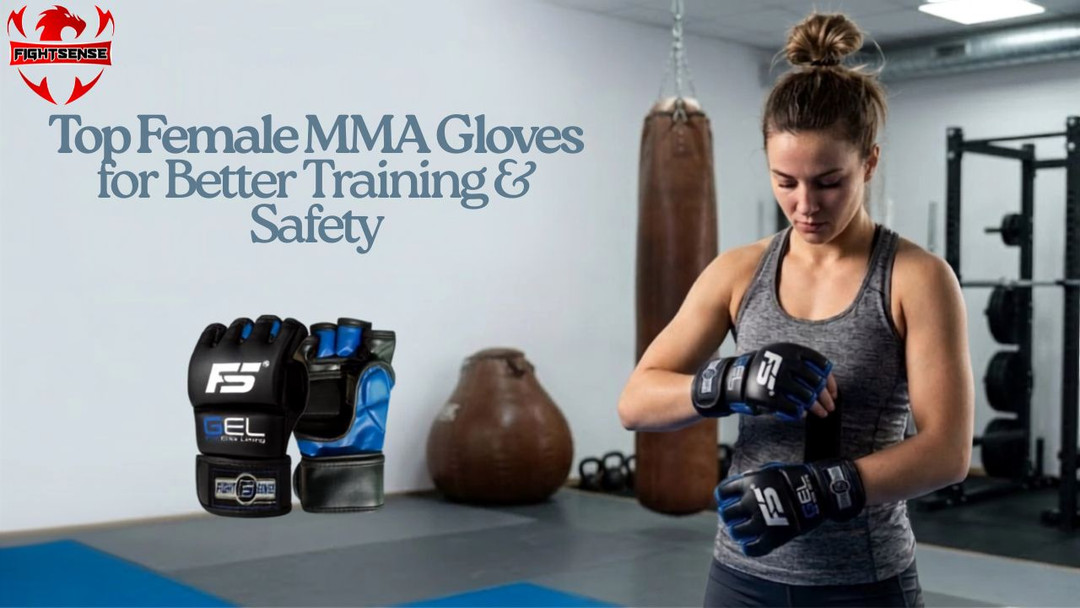
Are your female MMA gloves actually protecting your hands, or just holding you back? Whether you're stepping into the gym for the first time or prepping for a tough sparring session, choosing the wrong gear is the easiest way to get injured—yet most beginners still choose style over safety.
Because women have narrower hand structures, standard gloves often slip. Investing in anatomically designed female MMA gloves ensures a snug fit, giving you the grip, wrist support, and control you need to strike with confidence. In this quick guide, we’ll reveal the hidden details you must check before buying your next pair to avoid common, painful rookie mistakes.
Key Takeaways:
- Fit Over Fashion: Women’s hands are narrower. Standard Gloves slip, causing blisters and weak punches.
- Wrap-First Rule: Never test gloves bare-handed. Always try them on with hand wraps.
- Bone Protection: Gloves protect knuckles; wraps protect the 27 tiny bones in your hand.
- Sweat Ruins Gear: Trapped moisture rots stitching and destroys padding. Air them out instantly!
- Expect a Break-In: Good gloves start tight and mold to your hand shape after a few workouts.
Why Women's MMA Gloves Are Different
Let’s bust a quick myth: MMA gloves are not one-size-fits-all. Your hand anatomy plays a massive role in how safely and effectively you can train.
Typically, women’s hands are narrower, with shorter fingers and smaller wrist circumferences. If you wear standard gloves, your hands will likely slide around inside. That constant shifting leads to friction blisters, weak punches, and unnecessary strain on your knuckles and wrists.
The Non-Negotiable Features of a Great Glove
Not all gloves are built equal. If you want a pair that keeps your hands safe and lasts longer than a few months, make sure they check these four boxes:
1. The Right Kind of Padding
Padding is what stands between your knuckles and a hard heavy bag. You want high-density or multi-layer foam. It absorbs the impact of heavy strikes while maintaining its shape over time. It should be protective enough for bag work but flexible enough for light grappling.
2. Serious Wrist Protection
Every time you throw a punch, force travels from your shoulder, down your arm, and straight through your wrist. If your wrist isn't stabilized, you're looking at sprains and sore joints. Look for a wide, sturdy hook-and-loop (Velcro) strap that lets you lock your wrists in place securely.
3. Breathability (To Prevent the "Stink")
MMA training is sweaty work, and trapped moisture is a recipe for bad odors and bacteria. Go for gloves with an open-palm design or mesh ventilation panels. It keeps your hands cool and stops your gloves from smelling like a locker room.
4. Durable Materials
- Genuine Leather: It’s the gold standard. It feels premium, lasts for years, and eventually molds to the exact shape of your hand. The downside? It costs more and needs a bit of maintenance.
- Premium Synthetic Leather: Modern synthetic options (like high-grade PU leather) have gotten incredibly good. They are lightweight, highly moisture-resistant, budget-friendly, and very easy to wipe clean after a workout.
Matching Your Gloves to Your Workouts
You wouldn't wear running shoes to lift heavy weights, and the same logic applies here. Different training styles require different gloves:
- For Striking & Bag Work: If you are mostly hitting the heavy bag or pads, you need extra knuckle padding to absorb repeated, heavy impacts.
- For Grappling & Clinch Drills: You need maximum flexibility. Look for an open-palm construction so you can easily grab, hold, and transition into submissions without your gloves getting in the way.
- For Sparring: Sparring requires a balance of both. You’ll want slightly heavier, softer padding (usually $7\text{ oz}$ to $8\text{ oz}$ gloves) to protect both your own hands and your training partner.
- For Fitness Classes: If you’re doing cardio-kickboxing or MMA fitness where you quickly switch from punching to push-ups, you want lightweight, breathable gloves that are easy to keep on for a full hour.
Quick Comparison: Female vs.Men's Gloves
Here is a simple breakdown of why generic gloves might not be cutting it for you:
|
Feature
|
Female MMA Gloves
|
Men's MMA Gloves
|
|
Glove Width
|
Narrower profile to hug smaller hands
|
Wider profile that can feel too loose
|
|
Finger Pockets
|
Shorter and snugger for a natural grip
|
Longer and wider, often causing slipping
|
|
Wrist Strap
|
Shorter strap designed for thinner wrists
|
Standard strap, hard to tighten securely
|
|
Control & Grip
|
High control, making grappling much easier
|
Can feel bulky or clunky during transitions
|
How to Find Your Perfect Fit
Your gloves should feel snug and secure—never painfully tight.
- A Golden Rule: Always try on your gloves with your hand wraps on. Hand wraps add thickness, and you want to know exactly how the gloves will feel during an actual workout.
- Small Hands: Opt for a dedicated women's fit to eliminate empty spaces where your hand can slide.
- Medium Hands: A standard medium usually offers the best blend of snugness and finger mobility.
- Larger Hands: Focus on getting enough finger room without sacrificing a secure, tight wrap around your wrist.
Remember, most combat gear will "break in" and loosen up slightly after a few weeks of use, so a snug initial fit is actually what you want.
Why Quality Is Worth the Investment
It's tempting to buy the cheapest gloves on the market when you’re starting. But cheap gloves usually mean cheap stitching and thin foam that collapses in a few months. In the long run, you'll end up spending more money constantly replacing them.
Brands that focus on functional, real-world athletic gear—like Fightsense—are a great example of this. Instead of relying on flashy designs to make a sale, they focus on what actually matters: heavy-duty stitching, anatomical fits, and wrist support you can trust. Investing in solid gear means you can put 100% of your focus on your technique, not on adjusting your straps or nursing sore knuckles.
Keep Your Gloves Fresh: Easy Maintenance Tips
Taking care of your gear takes less than two minutes, but it will literally double the lifespan of your gloves:
- Air Them Out Instantly: As soon as you get home, take your gloves out of your gym bag. Open the straps wide and let them air dry in a well-ventilated room. Never leave them wet inside your bag overnight.
- Give Them a Quick Wipe: Once a week, wipe down the outside with a damp microfiber cloth. For the inside, use a gentle antibacterial spray or sports-safe wipes to kill any odor-causing bacteria.
- Store Them Right: Keep them in a cool, dry place. Don't throw heavy weights, shoes, or gear on top of them, as this can permanently crush the foam padding.
3 Common Myths We Need to Bust
- Myth 1: "More padding is always better."
- The Truth: Too much bulk makes it impossible to close your fist properly or grab your opponent. Balance is key.
- Myth 2: "If it's expensive, it must be good."
- The Truth: Don't pay for a luxury brand name. Look at the stitching, the wrist strap, and the foam quality instead.
- Myth 3: "I don't need hand wraps."
- The Truth: Always wear wraps. Gloves protect the surface of your knuckles; wraps protect the 27 tiny bones in your hand from fracturing under pressure.
Your Quick Pre-Purchase Checklist
Before you check out, ask yourself these five quick questions:
- Does this glove match my main training style (striking, grappling, or fitness)?
- Did I measure my hands rather than just guessing my size?
- Is the wrist strap wide and supportive?
- Is the palm design open or ventilated to handle sweat?
- Will my hand wraps fit comfortably inside them?
Upgrade your fight with trusted MMA gloves for better performance!
Get Yours Now!
FAQs:
Can the same gloves be used for sparring, grappling, and bag work?
No, using one pair for everything is not ideal. Heavy bag work compresses the knuckle foam quickly, making the gloves too hard and unsafe for sparring with a partner.
What are the signs that MMA gloves need replacement?
If the knuckle foam feels flat, mushy, or the knuckles can be felt directly through the padding when pressed, the shock absorption is gone, and the gloves should be replaced.
Do female MMA gloves stretch or loosen over time?
Yes, especially leather models. High-quality gloves have a natural "break-in" period of 2 to 3 weeks. They will stretch slightly to mold to the hand, so starting with a snug fit is best.
Are open-palm or closed-palm MMA gloves better?
Open-palm gloves are superior for grappling and submissions because they leave the palm free to grip. Closed-palm gloves offer slightly more protection but limit hand movement.
How tightly should the wrist strap be wrapped?
The strap should be wrapped tightly enough to keep the wrist straight and aligned during impact, but not so tight that it restricts blood circulation or causes hand numbness.
Final Thoughts
Starting your MMA journey is incredibly exciting and empowering, but having gear you can actually trust makes a massive difference in how quickly you progress. Investing in the right female MMA gloves means you won't be distracted by slipping hands, loose straps, or hurting knuckles—allowing you to focus entirely on your footwork, speed, and combinations.
By choosing a trusted brand like Fightsense that prioritizes comfort, safety, and durability, you're setting yourself up for a smoother, safer, and much more successful training experience. Now find your perfect pair of female MMA gloves, wrap your hands, and get to work!
Disclaimer:
This guide is for informational purposes only. Consult a certified coach or medical professional before starting combat sports training or using new equipment.