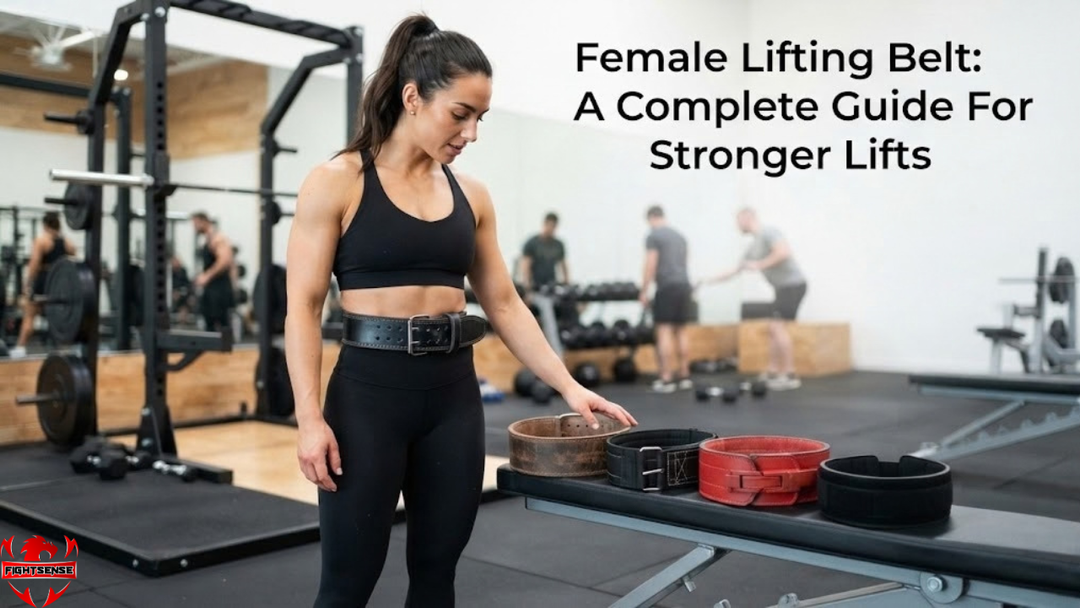
Female Lifting Belt: A Complete Guide for Stronger Lifts
The Female Lifting Belt is becoming an essential training tool for women who want better support, stability, and confidence during heavy workouts. The right weightlifting belt for women can help improve lifting control during exercises like squats, deadlifts, and other compound movements when used with proper technique.
The right belt won’t replace hard work, but it can help improve support, confidence, and lifting performance. Before choosing one, learn how it works and why it has become an essential tool for many strength enthusiasts.
Key Takeaways:
- A lifting belt does not magically increase strength; instead, it helps improve stability, bracing, and confidence during heavy lifting sessions.
- The right belt should match your training style, body comfort, and lifting goals instead of simply following what others use.
- Proper technique comes first; a quality lifting belt works best as a support tool that enhances your training, not replaces it.
- Leather and lever belts offer different advantages — understanding their differences helps you make a smarter investment.
What Is a Female Lifting Belt and Why Is It Used?
A Female Lifting Belt is a strength training accessory designed to provide core support, improve stability, and help lifters maintain better control during heavy exercises. It is commonly used during squats, deadlifts, and other compound movements where proper bracing and body control are important
A decent belt is a support tool, not a device to perform the job for you. It may help you stay in great shape, feel more secure lifting heavier loads, and train more effectively.
Why Do Women Need a Specifically Designed Lifting Belt?
Many female lifters prefer belts that offer a comfortable fit around their waist while allowing natural movement during training. A properly designed lifting belt should provide stability without feeling too bulky or restricting mobility.
Many female lifters consider comfort throughout long workout sessions to be as important as assistance. A well-designed belt should offer stability without feeling thick or restrictive of movement so you may tackle activities with greater confidence.
How to Choose the Best Women’s Lifting Belt for Comfort and Support?
A comfortable lifting belt should provide the right balance of support, flexibility, and secure fitting. Female lifters should consider these important factors before choosing the right option:
- Proper Waist Fit: The belt should fit securely around your waist without slipping or causing unnecessary discomfort during movement.
- Comfortable Material: Soft yet durable materials can help prevent discomfort during long training sessions.
- Freedom of Movement: A good belt should support heavy lifts while allowing natural movement during exercises.
- Easy Adjustment: Quick and reliable adjustment helps you achieve the right tightness before different sets.
- Proper Support Level: Choose a belt that matches your training goals, whether you focus on general fitness, strength training, or heavier lifts.
The right combination of comfort and support can make your workouts more confident and enjoyable while helping you stay focused on improving your performance.
How Can a Female Lifting Belt Support Your Workout Goals?
For many athletes, adding a lifting belt to your training routine can improve confidence during heavier lifts. It provides extra support when performing demanding movements and allows you to focus more on proper technique, breathing, and control.
Some of the primary benefits include :
- Better core stability in big lifts
- Increased confidence in training
- More awareness of bracing
- Additional help during hard sessions
- Greater ease of completing compound movements
A lifting belt is meant to support your exercise, not impede your natural movement. A decent belt should be snug, but still let you breathe and move appropriately.
Can a Lifting Belt Help Beginners Build Confidence?
Starting strength training can be intimidating, especially when it comes to increasing the weights for the first time. A lot of novices get scared because they don’t know how stable they’ll be doing hard moves.
A good weight lifting belt can increase confidence by making you feel more secure in heavy lifts. However, appropriate technique and strength building should always be the priority.
Beginners should first develop proper lifting techniques and understand correct bracing before depending on a belt for heavier workouts.
Which Type of Lifting Belt Is Right for Your Training?
There are different types of belts available, and each has unique advantages.
|
Belt Type |
Best For |
Main Benefits |
|
Leather Belt |
Heavy strength training |
Maximum durability and firm support |
|
Nylon Belt |
General workouts |
Flexible, lightweight, and comfortable |
|
Lever Belt |
Powerlifting and serious lifting |
Quick adjustment and consistent tightness |
|
Velcro Belt |
Fitness training |
Easy to wear and remove |
When Is the Right Time to Start Using a Lifting Belt?
Many novices inquire if they should wear a belt from their very first day in the gym. Generally, no.
You need to lay a firm foundation before you trust any equipment. For beginners, the focus should be on:
- Learn proper lift techniques
- Building core strength
- Learn about proper breathing patterns
- Improved movement control
As you start lifting greater weights and your technique becomes consistent, adding a Female Lifting Belt to your training might be a helpful next step.
The idea is to be able to use the belt as a support tool, not as something you cannot train without.
What Mistakes Should You Avoid When Using a Lifting Belt?
Even a high-quality belt will not deliver the best results if it is used incorrectly. Avoid these common mistakes:
- Wearing It Too Tight: A belt should provide support without restricting breathing or preventing proper bracing.
- Using It for Every Exercise: Use your belt strategically during heavier sets where extra stability is actually needed.
- Choosing the Wrong Size: An incorrect fit can reduce comfort and affect your lifting performance.
- Depending Only on Equipment: A belt is a support tool, not a replacement for proper training, nutrition, recovery, and consistency.
How the Right Lifting Belt Can Improve Training Confidence
Many lifters experience increased confidence when they start using a properly fitted lifting belt during heavy training sessions. The added support can help them focus on breathing, bracing, and maintaining proper technique without feeling unstable under heavier loads.
A well-fitted belt can also help create a more controlled lifting experience, especially during challenging sets where maintaining proper posture and stability is important. Over time, using the right support equipment along with consistent training can help lifters feel more comfortable and confident as they progress.
Why Choose Fightsense for Your Strength Training Gear?
Finding the right equipment can make a big difference in your training experience. Fightsense provides strength training equipment designed for lifters who want reliable support, durability, and comfort. Their lifting belts are created to help athletes improve stability during heavy workouts while maintaining freedom of movement and training confidence.
Whether you are working on heavy lifts or improving your everyday gym performance, Fightsense products are built to help lifters train with confidence and control.
How Can You Get Better Results From Your Lifting Belt?
Easy tips to make your belt work for you:
- Use it for mostly heavy compound movements
- Practice good bracing techniques
- Go for comfort and quality, not looks
- Keep working on your form on your lifts
- Select a belt that suits your training purpose
- Place the belt where it supports your core without limiting your movement.
A good belt should be a useful element of your routine, not something that restricts your inherent abilities.
FAQs:
Can a lifting belt be used for fitness workouts or only heavy lifting?
A lifting belt can be used for both, but it is most beneficial during exercises that place higher demands on the core, such as heavy squats, deadlifts, and loaded movements.
How do you choose the right width of a female lifting belt?
The ideal width depends on comfort, body structure, and training goals. A belt should provide enough coverage for support without feeling restrictive during movement.
Does body shape affect which lifting belt is most comfortable?
Yes, body shape can influence comfort and fit. Choosing a belt with the right size and design helps ensure better support without unnecessary pressure around the waist.
Is a lifting belt suitable for beginners starting strength training?
Beginners can use a belt later in their training journey, but building proper movement skills and strength should remain the main priority first.
Conclusion:
A Female Lifting Belt can be a valuable addition for those looking to improve stability and confidence during heavy workouts. The best results come from combining quality equipment with proper technique and consistent training.
Choose a belt based on your goals, comfort, and training style to make your workouts more effective.
Disclaimer:
This blog should not be taken as professional advice; it is only for informational use. Before adding new equipment to your exercise program, always speak with a qualified trainer or medical practitioner.