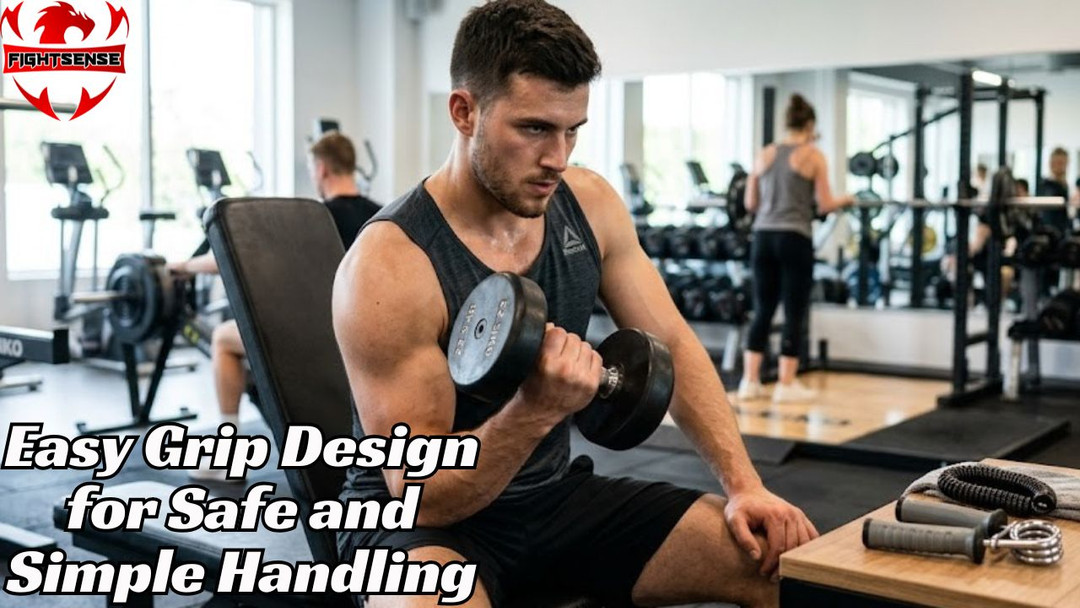
Easy Grip Design for Safe and Simple Handling
Easy Grip design is one of the most effective innovations in today’s modern world of product development, where design is no longer just about appearance but also about usability, comfort, and safety. Consumers expect tools, accessories, and household items that are easy to handle and reduce effort during daily use.
From kitchen tools to industrial equipment, the focus on better handling has transformed product development. This shift toward ergonomic solutions has made daily tasks more efficient and less stressful for users of all ages.
Key Notes:
- Ergonomic grip tools improve comfort, control, and safety in daily use
- Proper grip design helps reduce hand fatigue and long-term strain
- Material quality and weight balance are key for better performance
- Choosing the right tool depends on usage purpose and comfort level
Safe and Simple Handling in Gym and Fitness Equipment:
In fitness environments, proper handling of equipment is essential for both safety and performance. Grip design helps ensure that workout tools stay stable and easy to control during exercise, even under pressure and sweat conditions. This improves safety and allows users to train with more confidence.
Key Benefits in Gym Equipment:
- Improves control and stability while using weights and machines during workouts
- Reduces the risk of slipping caused by sweat or heavy loads
- Supports correct posture and proper exercise form
- Enhances overall safety for both beginners and experienced athletes
Key Features of Secure Grip Products:
Products designed with Grip technology usually include several important features that enhance usability:
Textured Surfaces
Textured finishes increase friction between the hand and the product, making it easier to maintain control.
Ergonomic Shapes
Curved and hand-fitted structures reduce pressure points and improve comfort during use.
Anti-Slip Materials
Rubber, silicone, and soft polymers are commonly used to prevent slipping, especially in wet conditions.
Lightweight Structure
A well-balanced design ensures users can handle items without unnecessary strain.
Pressure Distribution
Good handle design spreads pressure evenly across the hand, reducing fatigue during long use.
These combined features create a more efficient and user-friendly experience.
Exercises Where Wrist Support Matters Most:
- Bench Press: Keeps wrists aligned to avoid strain during heavy pushing
- Dumbbell Curls: Prevents wrist twisting while lifting weights
- Shoulder Press: Supports stable upward movement without joint pressure
- Pull-ups: Helps maintain strong grip and reduces slipping risk
- Deadlifts: Ensures secure hold on barbell under heavy load
With proper ergonomic handling, users can train longer, lift safer, and reduce the chances of wrist injuries. This makes workout sessions more controlled, efficient, and injury-free.
How Easy Grip Improves Safety?
Safety is one of the most important reasons behind the popularity of Easy Grip design. Slippery or poorly designed objects can easily fall, leading to injuries or damage.
With improved grip structure, users gain better control over objects, even in difficult situations. For example, wet hands in a kitchen or oily surfaces in industrial environments can make handling risky. A strong anti-slip surface significantly reduces these risks.
Materials Used in Grip Design:
The effectiveness of Easy Grip depends largely on the materials used. Manufacturers select materials that provide durability, comfort, and anti-slip properties.
Common materials include:
- Rubber coatings for flexibility
- Silicone for softness and traction
- Thermoplastic elastomers for durability
- Foam padding for comfort
Each material plays a role in enhancing usability and ensuring long-term performance.
Note:
Always consult a qualified trainer before adding new equipment to your workout. Follow the directions on the label of the item.
FAQS:
1. How does easy grip design improve workout performance?
It enhances control over gym equipment and makes movements more stable, which helps users train with better accuracy and safety.
2. Can wrist supports help avoid injuries in training?
They limit excessive bending of the wrist under heavy load, which reduces pressure on joints and helps prevent common lifting injuries.
3. Are gloves or wraps required for every exercise?
No, they are mainly useful during heavy or high-intensity workouts where extra support and secure handling become important.
4. How do gloves differ from wrist wraps in function?
Gloves are focused on improving hand contact and preventing slipping, while wraps are designed to stabilize and protect the wrist joint during lifting.
5. What is an effective way to build natural grip strength?
Regular practice of dead hangs, farmer walks, and static holds helps develop forearm endurance and improves overall grip control.