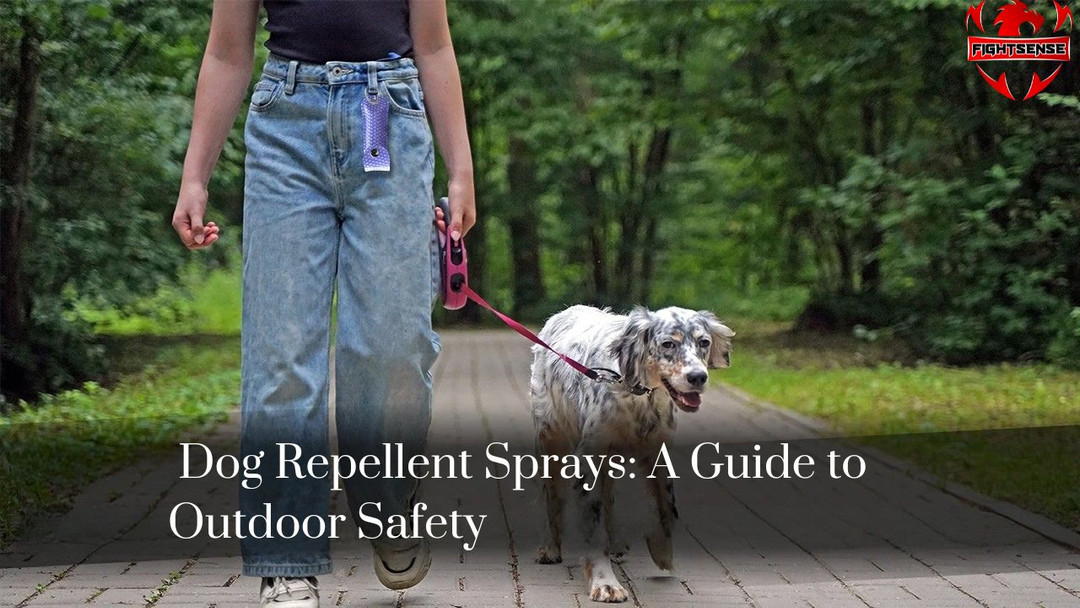
Dog Repellent Sprays: A Guide to Outdoor Safet
Unexpected dog encounters can turn an ordinary walk, jog, bike ride, or hike into a stressful situation. A loose dog may approach out of curiosity, while a frightened or aggressive dog can create a more serious safety concern. Staying alert and knowing how to respond is often more important than carrying any single product. For people who spend time outdoors, dog repellent sprays can be one practical option to keep available when distance from an unfamiliar animal is difficult to maintain.
A deterrent is not a substitute for awareness, good judgment, or getting to a safe place. The goal is simple: create an opportunity to move away without escalating the encounter. Understanding how a spray works, when it may be appropriate, and how to carry it responsibly can help you make a more informed choice.
What Are Dog Repellent Sprays and How Do They Work?
Dog repellent sprays are portable deterrent products designed to discourage an approaching dog and help a person create space. Depending on the product, the formula and delivery method can vary, so it is important to read the label rather than assume every spray works in the same way.
The basic purpose is distance. If an unfamiliar dog keeps moving toward you, a deterrent may give you an opportunity to back away and reach a safer location. It should not be viewed as a guaranteed way to stop an animal. Dogs can react differently depending on their behavior, surroundings, and the situation.
Before carrying a deterrent, learn how the safety mechanism works, understand the recommended range, and know how to access it without fumbling. A product buried at the bottom of a backpack may be less practical than one that is securely and comfortably accessible.
When Might a Dog Repellent Spray Be Useful?
A dog repellent spray may be considered for activities where you could encounter unfamiliar dogs, including walking through neighborhoods, jogging on trails, cycling on roads or paths, and hiking in areas where dogs may be present.
The key is preparation rather than expecting trouble. Most outdoor trips do not involve an aggressive dog, and carrying a deterrent does not mean you should approach or confront animals. If a dog appears loose, watch its behavior and keep your distance.
Where possible, change direction, cross the street, put a barrier such as a fence or vehicle between you and the dog, or move toward a populated area. For cyclists and runners, slowing down may also help prevent a fast approach from becoming more intense.
A deterrent is best considered one part of a wider outdoor safety plan. Awareness and avoidance should come before using any product.
How Should You Use a Dog Repellent Spray Safely?
Responsible use starts with knowing the product before you need it. Read the manufacturer's directions, including instructions for carrying, activating, aiming, storage, and cleaning. Follow the stated distance and avoid unnecessary use around animals.
During an encounter, keep as much safe distance as the situation allows. Avoid moving toward the dog just to use the spray. If you can safely leave the area without using it, that is usually the simpler option.
If a dog continues approaching and you believe a deterrent is necessary, follow the product's instructions and focus on creating an opportunity to retreat.
Do not treat a deterrent as a reason to chase, threaten, or corner an animal. Once you have enough space, move away calmly and seek a secure location. If someone is with you, communicate clearly and avoid surrounding the dog.
What Should You Look for in a Dog Deterrent Spray?
Choosing a dog repellent spray is not only about the formula. Everyday convenience matters because a safety product needs to be practical enough to carry consistently.
Consider these features:
- Portability: A compact design can be easier to carry on walks, runs, or hikes.
- Accessibility: Look for a design that can be reached without digging through a bag.
- Spray mechanism: Understand how the mechanism activates and whether it has a safety feature.
- Clear instructions: Packaging should explain basic use, storage, and handling.
- Secure carrying: A clip, holder, or suitable pocket can help keep the product in a predictable place.
- Appropriate size: Choose a size that fits your normal routine rather than something you may leave at home.
It is also worth checking the label for limitations and precautions. If you are unsure how a product should be handled, review the instructions before carrying it outdoors.
Dog Repellent Spray vs. Other Animal Deterrents
Not every animal deterrent is marketed for the same purpose. Some products are specifically designed for dog encounters, while others are sold for broader animal-control situations. An animal repellent spray for dogs may be positioned as a more general deterrent, so the product label is important when deciding whether it fits your intended use.
The same applies to products described as a dog and cat repellent. A label covering more than one type of animal does not automatically mean the product is appropriate for every encounter or environment. Read the manufacturer's stated purpose, directions, and precautions.
The important distinction is not simply the name on the package. Delivery method, intended range, ingredients, safety instructions, and applicable requirements can differ between products. Avoid assuming that one animal deterrent can replace another.
How to Choose the Right Repel Spray for Dogs?
When choosing a repel spray for dogs, think about where and how you will use it. Someone who walks around the neighborhood may value compact carrying and quick access, while a hiker may care more about secure storage and ease of carrying over longer distances.
Check the product's instructions before purchase when possible. Consider the spray mechanism, packaging, storage needs, and whether the design fits your normal clothing or gear. It can also help to choose a manufacturer that provides clear information instead of relying on vague marketing claims.
Your choice should match your routine. A safety product that is comfortable to carry is more likely to become part of your normal outdoor preparation. If local rules apply to possession or use, check the relevant requirements before carrying it.
What Else Can You Do to Stay Safe Around Unfamiliar Dogs?
A dog deterrent works best alongside basic walking safety habits. If you see an unfamiliar dog, avoid rushing toward it or making sudden movements. Give it space and pay attention to its behavior instead of assuming that every dog is friendly or aggressive.
If a dog approaches, try to stay calm. Avoid running if doing so could encourage the dog to chase you. Keep your movements controlled, maintain distance, and look for a safe route away.
Depending on the surroundings, a gate, car, fence, building entrance, or other barrier may provide useful separation.
Do not attempt to pet an unfamiliar dog without the owner's permission. When walking with children, teach them not to approach unknown dogs, even when the animal appears calm.
If an encounter becomes threatening, prioritize getting to a secure location and contacting appropriate local help when necessary. Awareness, distance, and a clear exit route can help prevent a situation from becoming more difficult.
Why Carry a Dog Deterrent When Walking or Hiking?
For some people, carrying a compact dog deterrent is simply another part of being prepared outdoors. Hikers may travel through areas where they do not know which dogs they will encounter. Walkers and runners may pass homes, parks, or trails where an animal can unexpectedly appear.
The purpose is not to make people fearful of ordinary outdoor activities. It is to have an option available if normal avoidance is not enough. Preparation can also encourage people to think about safer routes, emergency contacts, and where they can move if an unexpected situation develops.
A small deterrent may fit alongside other everyday safety items, but it should not replace sensible planning. Check your equipment before heading out, keep it in a consistent location, and make sure you understand its instructions.
Get Yours Now!
Why Choose FightSense for Personal Safety?
FightSense offers personal safety products for people who want convenient options for everyday preparedness. When selecting a safety spray, shoppers can look for straightforward product information, portable designs, and instructions that support responsible handling.
The value of a personal safety product is partly in how naturally it fits into your routine. Whether you are walking around your neighborhood or spending time outdoors, carrying your chosen safety gear in an accessible and secure way can make preparation easier.
FightSense promotes a practical approach to personal safety rather than fear-based thinking. A deterrent is one tool among several, and good judgment should remain the first priority during an unfamiliar dog encounter.
FAQs About Dog Repellent Sprays
Are dog repellent sprays safe to use around dogs?
They are designed as deterrents, but safety depends on the specific product and how it is used. Always follow the manufacturer's directions, avoid unnecessary use, and maintain as much distance as possible.
Do dog repellent sprays work on every dog?
No deterrent should be treated as guaranteed to work in every situation. Animal behavior varies, so awareness, distance, and having a safe exit remain important.
Can I carry a dog repellent spray while hiking?
A compact deterrent may be convenient for hiking, but you should check the product instructions and any applicable local rules. Keep it securely accessible and understand how it works before your trip.
What is the difference between a dog deterrent and an animal repellent?
A dog deterrent is generally marketed for dog encounters, while a broader animal repellent may be intended for several types of animals. Always check the product label and instructions for its intended use.
Should I use a spray whenever a dog approaches me?
Not necessarily. If the dog is not threatening and you can safely create distance, leaving the area may be preferable. Avoid unnecessary use and follow the product's directions.
What should I do if a dog keeps approaching me?
Stay calm, avoid sudden movements, create distance if possible, and look for a safe barrier or route away. If the situation becomes threatening, prioritize reaching a secure location and seeking appropriate help.
Conclusion
Being prepared for an unexpected dog encounter does not mean expecting the worst. Good outdoor safety starts with awareness, distance, and knowing how to leave an uncomfortable situation. For some people, dog repellent sprays can provide an additional deterrent option when walking, jogging, cycling, or hiking.
The most important step is learning how to use any safety product responsibly and keeping it accessible without relying on it as a guaranteed solution. With practical habits and suitable gear from FightSense, you can approach everyday outdoor activities with a more prepared and sensible mindset.