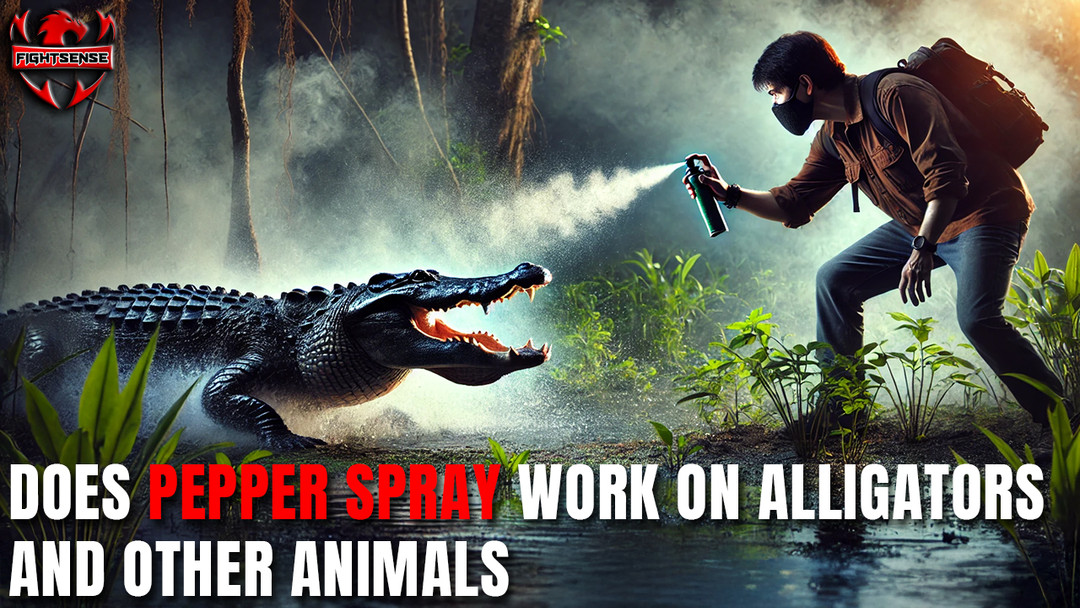
Does Pepper Spray Work on Alligators and Other Animals?
When exploring the outdoors, hikers and pet owners often carry personal defense sprays for peace of mind. But a common question arises: does pepper spray work on alligators and various other wild or domestic animals? While chemical deterrents can be life-saving against certain mammals, their effectiveness varies drastically depending on the species you encounter.
In this blog, we'll explore how pepper spray interacts with different animals and whether it's a viable solution for your safety.
Keynotes:
-
Pepper spray works temporarily on alligators, but may not be fully effective.
-
Pepper spray is a great defense against pitbulls in aggressive situations.
-
Mountain lion pepper spray is a more powerful formula for deterring large predators.
-
Always carry pepper spray mountain lion for hiking or camping in dangerous areas.
The Short Answer: Can You Pepper Spray an Alligator?
No, standard pepper spray or bear spray is generally ineffective at stopping an alligator attack.
Unlike mammals, reptiles possess a completely different ocular and respiratory physiology. While capsaicin-based sprays cause intense pain and eye closure in humans and dogs, they do not trigger the same debilitating reaction in cold-blooded predators like alligators and crocodiles, which lack traditional tear ducts and feature heavy facial armor.
How to Survive an Alligator Encounter
Because chemical sprays fail against reptiles, your survival depends entirely on spatial awareness and tactical reactions.
Step-by-Step Guide:
-
Maintain Distance: Stay at least 15 to 20 feet away from water edges and dense vegetation.
-
Back Away Slowly: If an alligator is on land, walk backward slowly. They are fast in short bursts but rarely pursue humans over long distances.
-
Fight Back Vhemently If Grabbed: Do not try to pry its jaws open. Instead, target the sensitive receptors on its snout or gouge its eyes. Thrash and make loud noises to convince the predator you are too difficult to consume.
Expert Tips for Wildlife Safety
-
Match Your Spray to the Threat: Do not assume a small keychain spray will stop a charging bear, and never rely on bear spray to stop an alligator.
-
Keep Pets Leashed: Dogs look and sound like natural prey to both alligators and coyotes.
-
Know Local Habitats: Research regional wildlife before hiking so you know whether you are entering bear country, cougar territory, or alligator wetlands.
Will Pepper Spray Stop a Pitbull?
Now, let's address a more common concern: will pepper spray stop a pitbull? Pitbulls, like many other dogs, have a keen sense of smell, and pepper spray can cause irritation and discomfort, potentially stopping an aggressive pitbull in its tracks. When sprayed directly in the face, the pepper spray causes temporary pain, disorientation, and watering eyes, which gives you a chance to escape or deter the animal.
However, it's crucial to remember that not all dogs will react the same way to pepper spray. Some dogs, particularly those that are highly agitated, may be less affected. It's always a good idea to carry other means of defense or contact local authorities if you're in an area with aggressive dogs.
Pepper Spray for Mountain Lions
Pepper spray is widely regarded as one of the most effective non-lethal methods for dealing with mountain lion attacks. Mountain lion pepper spray, or bear spray, is formulated to be stronger and more powerful than traditional pepper spray used on humans. It is designed to deter large predators by delivering a potent cloud of pepper spray that can reach distances of 20-30 feet, providing you with a safe buffer between you and the animal.
Studies have shown that pepper spray mountain lion is highly effective in deterring attacks and causing mountain lions to retreat. The intense irritation caused by the spray affects their respiratory system and eyes, forcing them to back away. If you're hiking or camping in mountain lion territory, carrying a can of pepper spray mountain lion can significantly increase your chances of staying safe.
Does Pepper Spray Work on Bears?
Yes, specialized bear spray is highly effective against bears (including grizzlies and black bears).
-
Mechanism: Bear spray uses a high concentration of capsaicin (around 1 to 2% major capsaicinoids) and is delivered in a dense, long-range fog cloud (up to 30 to 40 feet).
-
Reaction: Because bears are warm-blooded mammals with sensitive respiratory tracts and wet mucous membranes, the spray causes instant temporary blindness, severe coughing, and breathing difficulties, forcing the bear to retreat.
Does Pepper Spray Work on Dogs and Coyotes?
Yes, standard personal pepper spray or specialized dog-deterrent sprays work very well against aggressive canines.
-
Dogs: Stray or aggressive domestic dogs react similarly to humans. A direct stream to the face causes immediate eye closure, burning, and disorientation, giving you time to escape.
-
Coyotes: Coyotes are cautious predators. While they are warier than domestic dogs, a well-aimed burst of pepper spray will almost always cause a coyote to break off its approach and run away.
Does Pepper Spray Work on Cats and Raccoons?
Yes, but use caution with smaller animals.
-
Feral Cats & Raccoons: These mammals have sensitive eyes and noses, meaning pepper spray will deter them effectively. However, because they are small, a heavy blast of high-powered bear spray can cause excessive distress or injury. A smaller, pocket-sized personal spray with a steady stream is usually sufficient.
Best Practices When Using Pepper Spray on Animals
-
Aim for the Face: Whether it's an alligator, pitbull, or mountain lion, aiming for the face ensures that the spray targets the eyes and respiratory system, causing maximum discomfort.
-
Be Prepared: Carry your pepper spray in an easily accessible place, such as in a holster or attached to your bag, so you can deploy it quickly if necessary.
-
Stay Calm: It's important to stay calm when facing an animal encounter. Panicking may cause you to miss your target or misfire your spray.
-
Know Your Limits: Pepper spray is a tool, not a guarantee. It's vital to understand its limitations, especially when dealing with large or resilient animals like alligators or pitbulls. Be aware of the environment and always have a backup plan.
Choosing the Right Pepper Spray for Outdoor Safety
Before heading outdoors, consider the wildlife in your area and the type of protection you may need. FightSense offers pepper spray options for personal safety and everyday carry, making it easier to explore products suited to your needs. However, different animals respond differently to chemical deterrents, so always choose a product appropriate for the situation and follow local wildlife safety guidance. Remember that pepper spray is not effective against alligators, and no defense tool guarantees protection during a wildlife encounter.
Shop Now!
Conclusion
Understanding how defense tools interact with different species is essential for outdoor safety. While pepper spray is a reliable deterrent for mammals like bears, dogs, and coyotes, it does not work on alligators or other reptiles. Knowing these biological differences ensures you carry the right protection and use the correct survival tactics wherever your adventures take you.
Frequently Asked Questions
What animals does pepper spray not work on?
Pepper spray is completely ineffective on reptiles, such as alligators, crocodiles, and snakes. Because these cold-blooded animals lack functional mammalian tear ducts and are covered in thick dermal scales or scutes, capsaicin-based chemical irritants cannot penetrate their system or trigger an eye-closing response.
Why do capsicum sprays fail against cold-blooded reptiles?
Capsicum-based deterrents target the wet mucous membranes and lacrimal (tear) glands found exclusively in warm-blooded mammals. Because reptiles have a dry-skinned anatomy, heavily armored osteoderm scales, and a slower metabolic processing system, chemical sprays wash off harmlessly without causing optical or respiratory distress.
Are there government-approved chemical deterrents for alligators?
No. State and federal wildlife agencies (such as the Florida Fish and Wildlife Conservation Commission) confirm that there are no chemical repellents, sprays, or deterrents legally registered or proven effective for managing or repelling alligators. Physical avoidance and maintaining distance are the only reliable prevention methods.
Can bear spray stop a charging cougar or mountain lion?
Yes. Mountain lions are warm-blooded feline mammals with sensitive respiratory tracts and eyes. If deployed within range (typically 15 to 30 feet), a heavy fog of bear spray will overwhelm a cougar's sensory systems and force it to abort an attack.
How do you properly defend yourself against an aggressive stray dog?
To stop an aggressive canine, use a personal stream or gel pepper spray aimed directly at the dog's eyes and nose. The active capsaicin ingredients cause immediate, temporary incapacitation, blinding the dog with intense burning and giving you a secure window to retreat safely.
Do chemical repellents deter venomous snakes or pythons?
No. Snakes do not rely on standard olfactory pathways affected by capsaicin. Instead, they process scents using their forked tongues and the vomeronasal (Jacobson's) organ, meaning pepper spray, sulfur powders, and chemical snake repellents fail to deter them in real-world environments.
What is the most effective alternative to pepper spray for alligators?
If an alligator initiates a predatory attack, the only effective physical counter-measures are striking, gouging, or punching the alligator directly in the eyes or the sensitive soft tissue underneath its snout. Prying open the jaws is impossible due to their immense bite strength, so targeting vulnerable facial soft spots is critical for survival.
Why is keychain pepper spray dangerous to use in the wilderness?
Keychain pepper sprays feature short throw ranges (usually 4 to 8 feet) and weak streams that can easily blow back into the user's face during high-wind outdoor conditions. Hikers should instead carry high-capacity, long-range canister units specifically rated for the regional wildlife they expect to encounter.
Disclaimer
This content is for informational purposes only. Wildlife encounters carry inherent risks, and no self-defense tool guarantees safety. Always check local regulations, respect natural habitats, and maintain safe distances from wild animals.