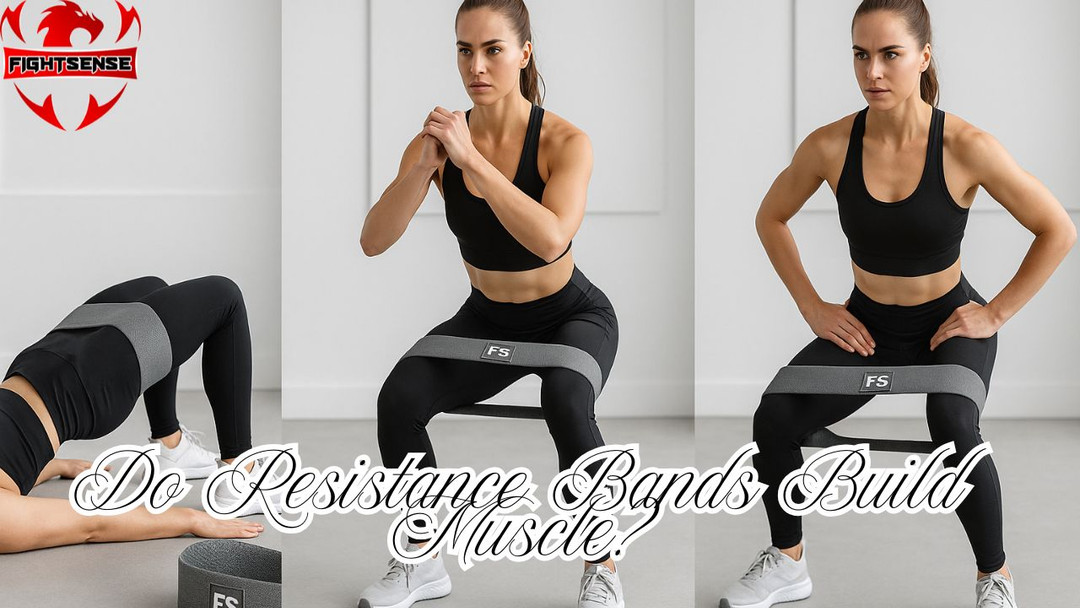
Do Resistance Bands Build Muscle?
You're not the only one asking — do resistance bands build muscle? People typically don't pay much attention to these simple-looking equipment, yet they can help you get really strong and big without using heavy weights or complicated machines. Resistance bands are now utilized by everyone, from novices to professional athletes, because they are so useful and work so well.
Resistance bands are a good choice if you want to gain muscle, tone your body, or work out at home. If you're wondering, can you gain muscle with resistance bands, the answer is yes. With enough resistance, proper form, and progressive overload, bands can support muscle growth.
Here are five important things you should know before we go into more detail:
Quick Facts Before We Begin:
- Resistance bands provide constant muscle tension, unlike free weights.
- They help build both muscle and tone, depending on how you train.
- Bands are ideal for home workouts and small spaces.
- You can progressively overload with different resistance levels.
- Studies show band training is comparable to weightlifting for strength gains.
What Are Resistance Bands and How Do They Work?
Resistance bands are composed of latex or rubber and can be stretched and moved about. They are used to make exercises harder. You can loop them, hold them, or attach them to doors to work all of your key muscle groups. Bands are different from dumbbells because they offer varied resistance. The more you stretch them, the tougher they get.
Do Resistance Bands Build Muscle or Tone?
One of the most popular inquiries is: do resistance bands build muscle or tone?
The answer is: both. For toning, lighter bands and more reps are beneficial. Choose higher resistance and moderate, controlled reps to build muscle.
Do Resistance Bands Help Build Muscle Like Weights?
Yes! Research indicates that resistance bands can enhance muscular development and strength comparably to free weights. They are a good way to challenge muscles when used regularly with progressive overload.
So, can u build muscle with resistance bands? Yes, although “u” is a common search variation, the answer remains the same: consistent training with increasing resistance can help you build muscle.
Thus, do resistance bands help you get stronger? Yes, and you'll notice a difference in both resistance and durability using Fightsense bands.
Can You Build Muscle at Home Using Only Resistance Bands?
For sure. You can do full-body workouts at home or on the go with Fightsense resistance bands. They are light, easy to carry, and powerful, making them great for tiny places and busy schedules.
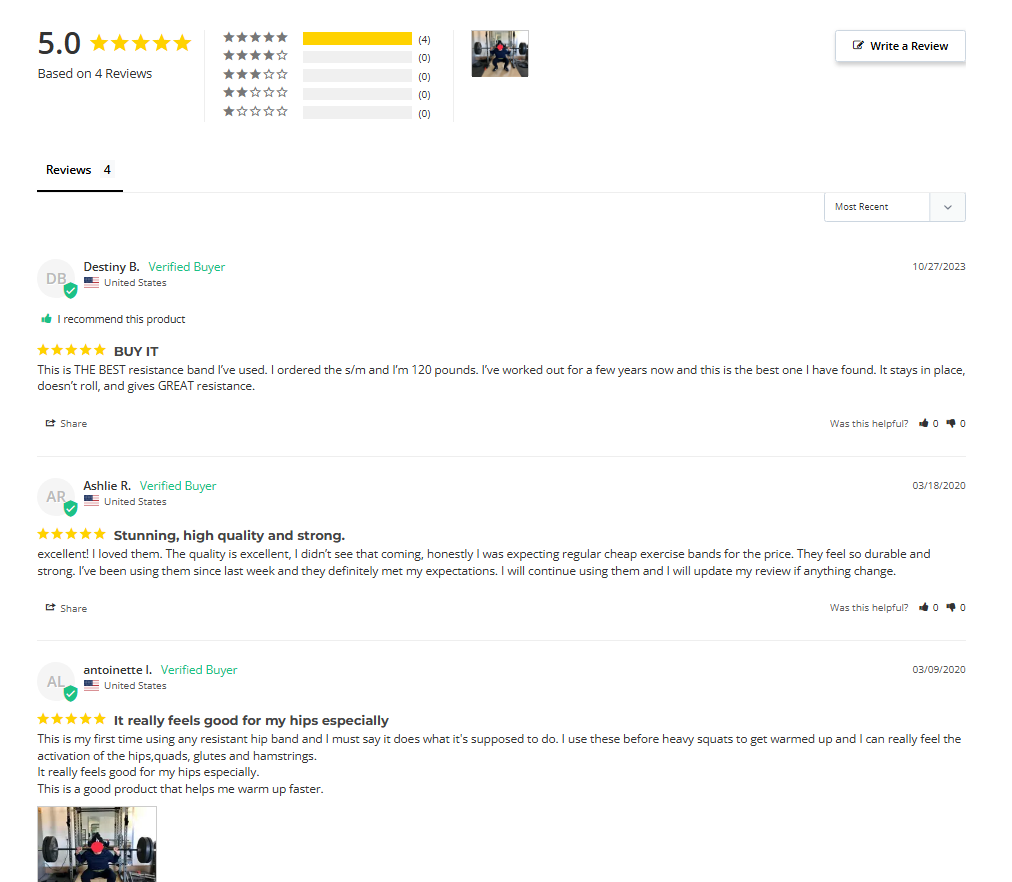
Fightsense is trusted by thousands of people for home training because our gear works. We ship quickly and reliably, and we're proud of the 5-star reviews and comments from our delighted, loyal customers.
How Do You Use Resistance Bands Effectively for Muscle Growth?
Here's how to get the most of your workouts with resistance bands:
- Pick the optimum degree of resistance for your training objectives.
- Pay attention to your form and do controlled reps.
- Progressive overload means slowly adding more resistance or reps.
- Train on a regular basis, at least three to four times a week.
- Put nourishment and rest first for healing.
Choose a resistance level that challenges your muscles with good form, then gradually increase the tension or repetitions as your strength improves.
Should You Trust Resistance Bands for Real Muscle Gains?
Yes. Resistance bands are not just another option; they are a clever and useful way to train. Bands are great for adding variety, intensity, and flexibility to your workouts at home, whether you want to build muscle, tone up, or cross-train.
We don't only sell bands at Fightsense. We also have:
Self-defense tools for your safety and peace of mind
Sports weightlifting gear like lifting straps, hooks, and grips that help you do serious strength training
All products come with great customer service and satisfaction
Visit fightsense.com to see what we have to offer.
Why Choose Fightsense for Your Fitness Gear?
Thousands of happy customers trust Fightsense for high-quality training gear like resistance bands, weightlifting equipment, and self-defense weapons. We take pleasure in our quick shipping, great customer service, and items that really work. Need help or have questions?
You can reach us at any time, and we'll assist you find the correct gear to start your fitness adventure.
Conclusion
So, do resistance bands build muscle? Absolutely—they’re an effective, versatile tool for strength, muscle growth, and toning. Whether you’re training at home or on the go, resistance bands offer convenience and real results. Combine them with quality gear from Fightsense to maximize your workouts and reach your fitness goals faster.
Frequently Asked Questions (FAQs)
1. Are Elastic Bands Good for Beginners?
Yes. Elastic bands are beginner-friendly and let you adjust workout intensity while learning proper form and controlled movement.
2. How Long Does It Take to See Results From Band Training?
Results vary by person, but consistent workouts, proper nutrition, and adequate recovery can improve strength, muscle definition, and overall fitness over time.
3. Are Elastic Workouts Better Than Dumbbells?
Neither option is always better. Dumbbells provide fixed resistance, while elastic training offers portability and increasing tension as the material stretches.
4. Can Band Exercises Provide a Full-Body Workout?
Yes. A well-planned routine can target the chest, back, shoulders, arms, core, glutes, and legs with different movements and levels of difficulty.
5. What Muscle Groups Can You Train With Elastic Equipment?
You can work most major muscle groups, including the upper body, lower body, and core. Changing exercises and movement angles helps target different areas.
6. How Should You Maintain Elastic Training Equipment?
Keep it away from excessive heat, sharp surfaces, and direct sunlight. Inspect it regularly for cracks, tears, or reduced elasticity, and replace damaged equipment when needed.
7. How Do You Choose the Right Band for Your Workout?
Choose a resistance level that challenges your muscles while allowing you to maintain proper form. Gradually increase the tension or repetitions as your strength improves.
Disclaimer:
This article is only for informational purposes. Before starting a new training plan, always talk to a fitness or health specialist.