Deadlift grips are essential for improving strength, maintaining proper form, and lifting heavier weights safely. Deadlifts are among the best workouts for building strength; nevertheless, your success depends on your ability to tightly grip the bar.
Choosing the different deadlift grips can help you to preserve perfect form when lifting big weights. Using the correct grip ensures that your hands and wrists can control the weight, preventing injuries and improving performance regardless of your experience level as a lifter.
Key Takeaways:
- The right deadlift grips directly impacts your strength, control, and lifting performance.
- Double overhand grip is best for beginners to build a strong foundation.
- Mixed grip and hook grip are more suitable for lifting heavier weights safely.
- Over-reliance on straps or support gear can slow natural grip development.
- Consistent grip training improves endurance, stability, and overall deadlift results.
What is Grip and Why is it Important?
Grip refers to how you hold and control the barbell during a deadlift or any lifting exercise. It is the foundation of every successful lift because no matter how strong your legs, back, or core are, you cannot lift heavy weight without a strong and stable grip.
A proper grip ensures that the bar stays secure in your hands, improves control throughout the movement, and helps prevent accidents or injuries during heavy lifts. In deadlifts, grip strength is especially important because it directly affects how much weight you can lift and how safely you can perform each repetition.
Why Grip Matters in Deadlifts?
Grip strength plays a major role in controlling the barbell during heavy lifts. Even if your legs and back are strong, a weak grip can limit your performance.
A strong grip helps you:
- Maintain control of heavy weights
- Improve lifting stability
- Reduce risk of dropping the bar
- Enhance overall strength development
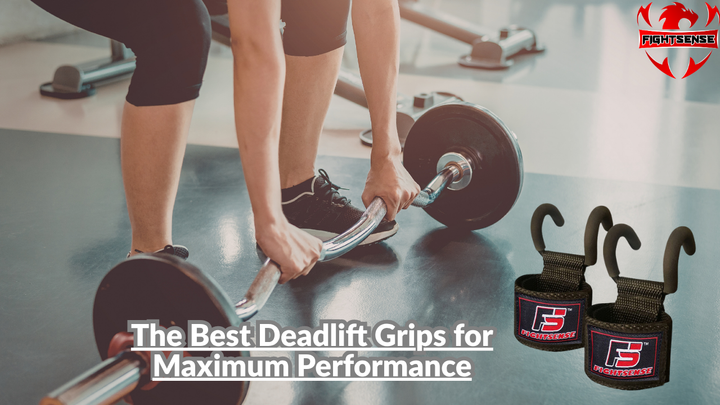
The Best Deadlift Grips for Maximum Performance:
Deadlifts are one of the most powerful strength-building exercises in fitness. However, many lifters struggle to reach their full potential because they overlook one critical factor — grip strength.
Your grip determines how much weight you can hold, how safely you lift, and how effectively you progress. Choosing the right deadlift grip can significantly improve your performance and reduce injury risk.
Types of Deadlift Grips:
Double Overhand Grip:
The double overhand grip is the most basic and commonly used grip in deadlifting.
Pros:
Cons:
- Limited grip strength for very heavy lifts
Mixed Grip (Over-Under Grip)
In this grip, one hand faces up while the other faces down.
Pros:
- Allows heavier lifts
- Prevents bar from rolling
Cons:
- Can create muscle imbalance
- Higher risk of biceps strain if used incorrectly
Hook Grip:
The hook grip is widely used in Olympic weightlifting.
Pros:
- Extremely secure grip
- Excellent for heavy deadlifts
- Reduces need for straps
Cons:
- Can be painful for beginners
- Takes time to adapt
Straps-Assisted Grip
Lifting straps wrap around the bar and your wrists for extra support.
Pros:
- Allows focus on lifting strength
- Great for high-volume training
Cons:
- Does not improve natural grip strength
- Over-reliance can weaken grip development
How to Choose the Best Deadlift Grip?
The best grip depends on your:
- Experience level: Beginners should start with double overhand grip
- Training goal: Powerlifters often use mixed or hook grip
- Comfort level: Pain tolerance and hand strength matter
There is no one perfect deadlift grip — the key is to find what works best for your body and goals.
How to Improve Your Grip Strength?
If you want better deadlift performance, focus on strengthening your grip:
- Farmer’s walks
- Dead hangs from a pull-up bar
- Wrist curls and reverse curls
- Heavy static holds
- Plate pinches
Safety Tips for Better Performance:
To lift safely and effectively:
- Always warm up before heavy deadlifts
- Stop when grip starts failing
- Maintain proper posture and technique
- Progress gradually with heavier weights
Mistakes to Avoid When Training Your Deadlift Grip:
Many lifters fail to improve because they:
- Rely too much on lifting straps
- Ignore grip-specific training
- Use improper form under heavy loads
- Switch grips too early without mastering basics
Why Fightsense Gear Can Improve Your Deadlift Performance
If you are serious about improving your deadlift performance, the right support gear can help you train more effectively and safely. Fightsense offers a range of lifting accessories designed to improve grip stability, reduce hand fatigue, and support heavier training sessions.
Their products include weight lifting hand grips, fitness palm weight lifting straps gloves, weight lifting gloves with straps for enhanced grip and wrist support, and weight lifting hooks for better grip and support. While these items do not replace proper deadlift technique, they provide extra support during heavy lifts, allowing you to maintain a stronger hold on the bar and focus more on form and strength development.
Buy smart grip gear and boost your lifting performance. Get Yours Now!
Conclusion:
The right deadlift grips plays a key role in improving strength, control, and overall performance. While beginners should focus on building a strong base with the double overhand grip, advanced lifters can use mixed or hook grip for heavier lifts. Each grip has its purpose, and the best choice depends on your goals and comfort. Improving grip strength along with proper technique will always lead to better and safer deadlift performance.
Note:
This content is for informational and fitness guidance purposes only; always use proper technique and consult a professional trainer before performing heavy deadlifts.
FAQs:
1. Why does grip become the limiting factor in heavy deadlifts?
Grip often fails first because forearm endurance is lower than back and leg strength, especially during heavy pulls where barbell tension increases rapidly.
2. Which grip allows the heaviest deadlift lifts?
The mixed grip is commonly used for maximal lifts because it prevents bar rolling, while the hook grip is preferred in competitive lifting for better balance and control.
3. What makes hook grip more effective but harder to use?
Hook grip locks the thumb under the fingers, creating a stronger bar connection, but the initial discomfort and thumb pressure make it difficult for beginners.
4. Is it necessary to avoid mixed grip completely due to injury risk?
No, it is safe when used correctly, but alternating hand positions periodically is important to reduce imbalance and strain over time.
5. When should lifting straps be used in deadlift training?
Straps are best used during high-volume or heavy back-off sets when grip fatigue would otherwise limit target muscle training.
6. Can switching deadlift grips improve overall performance?
Yes, rotating between double overhand, hook, and mixed grip can build adaptability, improve strength balance, and prevent overuse stress.