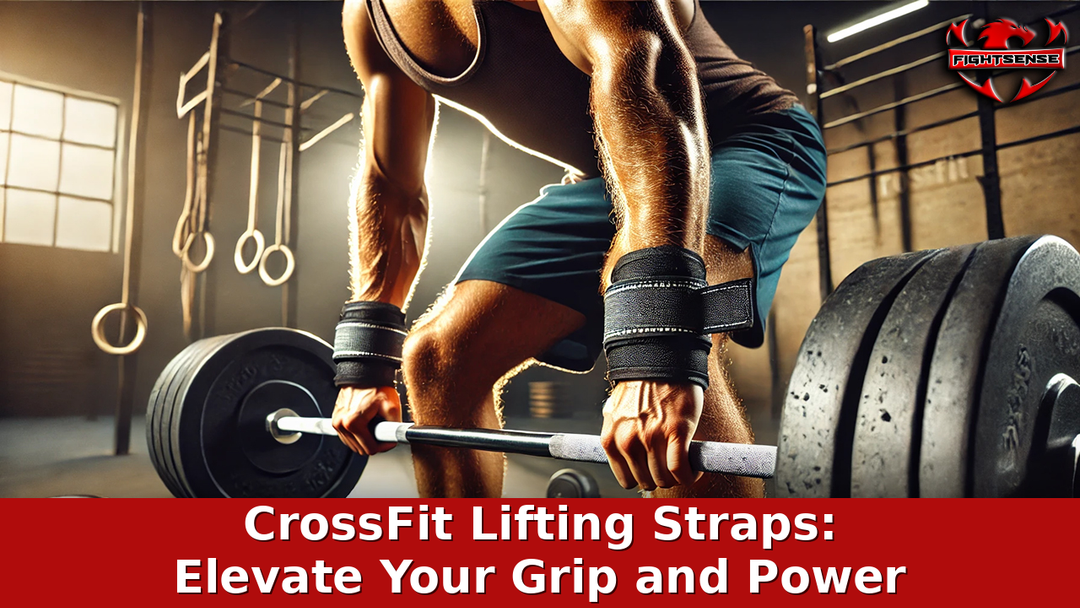
CrossFit Lifting Straps: Elevate Your Grip and Power
Your grip often gives out before your legs or back do, and that can cut a good set short just when the bar is moving well. CrossFit lifting straps give your hands extra support on heavy pulls, so you can finish the rep with control instead of losing the bar to a tired grip.
Used well, straps are a training tool, not a shortcut. They let you practise the pull, build strength in the right places, and keep your wrists in a steadier position while you work. This guide explains what straps do, how to choose a pair, how to wrap them safely, and how to look after them so they last.
Keynotes
- Straps support your grip on heavy pulls; they do not replace grip training.
- Choose cotton or leather straps that feel secure without digging into your wrists.
- Wrap the strap snugly around the bar, keep your wrist straight, and unwind it as soon as the set ends.
- Use straps mainly for heavy deadlifts, rows, and high-volume pulling work.
- Air-dry straps after training and check the stitching often for wear.
What Are Lifting Straps and How Do They Work in CrossFit?
Lifting straps are short loops or strips of cotton, leather, or nylon that wrap around your wrist and then around a barbell, dumbbell, or pull-up bar. Once the strap is tight, the bar rests against the strap as well as your hand, so less of the load depends on finger strength alone. That small change can make a heavy deadlift or a long set of rows feel far more secure.
CrossFit training mixes heavy barbell work with gymnastics and fast, high-rep movements, so grip fatigue builds quickly. A pair of straps can help you keep good form through the pulling part of a workout, while your hands recover between sets. For a clear picture of the sport itself, the official CrossFit site explains how CrossFit training works and what to expect in a class.
Many athletes reach for CrossFit lifting straps when their grip, rather than their strength, is the limiting factor on a lift. That is a sensible use, provided the straps are fitted well and removed between sets so the hands and forearms still do plenty of work on their own.
If your wrists also need steady support, premium weightlifting wrist straps are a useful companion to a pair of lifting straps, especially on pressing and overhead work where the wrist needs to stay straight.
How CrossFit lifting straps improve grip and pulling power
When your fingers tire, the bar can roll or slip, and your shoulders and back compensate in ways that waste energy. Straps spread the load across the wrist and hand, so the bar stays closer to your palm and your pull stays in a straight, strong line. That steadiness often lets you hold a heavy bar for one or two more clean reps, or keep your form tidy through a longer set.
For many lifters, CrossFit lifting straps are most useful on the last heavy sets of a workout, when grip fatigue is highest and form is most likely to slip. Used at that point, they help you finish the work with good technique instead of cutting the set short.
Another benefit is confidence. When you trust your hold, you can focus on driving through your legs, keeping your chest up, and finishing the pull, instead of thinking about your hands. Over time, that focus helps you practise the movement pattern properly, which matters more than simply adding weight to the bar.
For pulling work in particular, our deadlift wrist straps guide explains how to protect your hands on heavy deadlifts and keep your grip secure from the first rep to the last.
What to look for in CrossFit lifting straps
Start with material and length. Cotton straps are soft, comfortable, and easy to wrap, while leather straps feel firmer and often last longer. A strap around 20 to 22 inches long suits most hands, giving you enough wrap around the bar without a long loose tail. Check the stitching, too: neat, reinforced seams are a good sign that the strap will hold up under load.
Fit matters just as much as material. The loop should sit snugly around your wrist without cutting in, and the strap should tighten smoothly around the bar when you twist your hand. If you train in a hot gym, choose a pair that dries quickly and does not feel slippery when your hands sweat.
Leather is a popular choice for heavy lifting, and our guide to the best leather lifting straps compares the features that matter most, from padding and stitching to how the strap feels on a heavy pull.
Lifting straps vs wrist wraps: which one fits your workout?
Straps and wraps do different jobs. Straps help you hold the bar, while wrist wraps support the wrist joint and keep it from bending back under load. Many lifters use both: straps for heavy pulls, wraps for pressing, cleans, and overhead work.
If you want wrist support for pressing and Olympic-style lifts, premium wrist wraps for gym training give firm, adjustable support without limiting the movement of your fingers.
How to Use Lifting Straps Safely in a CrossFit Workout
Good technique starts before you lift. Put the loop around your wrist, then pass the long end under the bar and wrap it around the bar once or twice, twisting your hand so the strap tightens. Your wrist should stay straight, your hand should close firmly around the bar, and the strap should feel snug, not painful.
Use CrossFit lifting straps mainly for your heaviest sets and high-volume pulling work, not for every warm-up rep. That way, your bare grip still gets regular practice on lighter sets, and your hands stay strong for movements where straps are not practical, such as rope climbs and many gymnastics skills.
When the set ends, unwrap the strap straight away. Do not walk around the gym with a strap still looped around a bar, and never use straps to hang from a bar. Keep your focus on the bar, lift with control, and put the bar down safely if your grip or form starts to fail.
If you are new to straps, read our guide on how to use wrist straps correctly before your next heavy session, so the wrap, the fit, and the unwrapping become second nature.
How to Care for Your Straps So They Last Longer
Straps pick up sweat, chalk, and dust, so a little care goes a long way. Shake off loose chalk after training, hand-wash cotton straps in mild soap and cool water when they start to smell, and let them air-dry away from direct heat. Leather straps need a wipe with a damp cloth and time to dry naturally; avoid soaking them.
With simple care, CrossFit lifting straps can stay in good condition for many training cycles, but check them before every heavy session. Look for frayed edges, loose stitching, or a loop that has stretched out of shape, and replace the pair if the strap no longer tightens securely around the bar.
Good habits help here too, and our guide to the best wrist straps for lifting explains how to match strap care and support to the kind of lifting you do most.
Common Mistakes to Avoid With Lifting Straps
One common mistake is wrapping the strap too loosely, which lets the bar slip and puts sudden strain on the wrist. Another is wrapping it too tightly, which cuts off circulation and makes it hard to release the bar quickly. Take a moment to check the wrap before each set, and adjust it until it feels firm but comfortable.
Another mistake is relying on CrossFit lifting straps for every lift, including light warm-ups and movements that need a free, quick grip. Save straps for the work that truly needs them, keep practising your bare grip on lighter sets, and let your forearms build strength alongside your pulling power.
If wrist support is the missing piece rather than grip, wrist wraps for weightlifting support can help keep your wrists steady on pressing and overhead lifts, while straps handle the heavy pulling work.
Why FightSense Is the Smart Choice for Lifting Straps for CrossFit Athletes Who Want a Stronger Grip
At FightSense, we make training gear for people who train hard and want equipment they can trust. Our lifting straps for CrossFit athletes are made to feel secure on heavy pulls, comfortable on long sets, and tough enough for regular gym use, so you can focus on the lift instead of worrying about your grip. Whether you are building up your deadlift, working through high-rep WODs, or simply want a steadier hold on the bar, FightSense gives you practical, well-made gear at a fair price, and a team that understands what lifters actually need.
Grip the Bar With Confidence — Your Next PR Starts With the Right Straps
Stop letting a tired grip cut your sets short. Choose a pair of FightSense weight lifting straps and hold heavy bars with a steadier, more confident grip.
Plus, orders above $100 ship free at FightSense.
Get Yours Now!Conclusion
Lifting straps can make a real difference when grip fatigue, rather than strength, is holding back your training. Choose a pair that fits well, learn to wrap it safely, use it mainly for heavy pulling work, and look after it between sessions. With the right straps and steady practice, you can lift with more confidence, keep your form clean, and make steady progress in your CrossFit training.
FAQs
Are lifting straps allowed in CrossFit workouts?
Yes, in most training settings. Coaches may ask you to train without straps for some movements, so check the rules for your class or competition before you use them.
Do lifting straps help with pull-ups and deadlifts?
Yes, they can help on both. Straps support your hold on the bar, so you can focus on the pull instead of worrying about your grip slipping mid-set.
How tight should lifting straps be on my wrists?
Snug, but not painful. The loop should stay in place when you lift, your wrist should stay straight, and you should still be able to release the bar quickly.
Can beginners use lifting straps for CrossFit training?
Yes, beginners can use them for heavy sets, but it is best to learn good grip and form first. Use straps as support for heavier work, not as a replacement for grip practice.
How do I wash and care for lifting straps?
Shake off chalk after training, hand-wash cotton straps in mild soap and cool water, and air-dry them away from heat. Wipe leather straps with a damp cloth and let them dry naturally.
Are lifting straps the same as wrist wraps?
No. Lifting straps help you hold the bar, while wrist wraps support the wrist joint and keep it from bending back. Many lifters use both for different lifts.
Will lifting straps make my grip weaker over time?
Not if you use them wisely. Keep training your bare grip on warm-ups and lighter sets, and save straps for heavy pulls, so your hands and forearms keep getting stronger.
How long do lifting straps usually last?
That depends on how often you train and how you care for them. With regular use and simple care, a well-made pair can last many months, so check the stitching and replace them if they fray or stretch out.