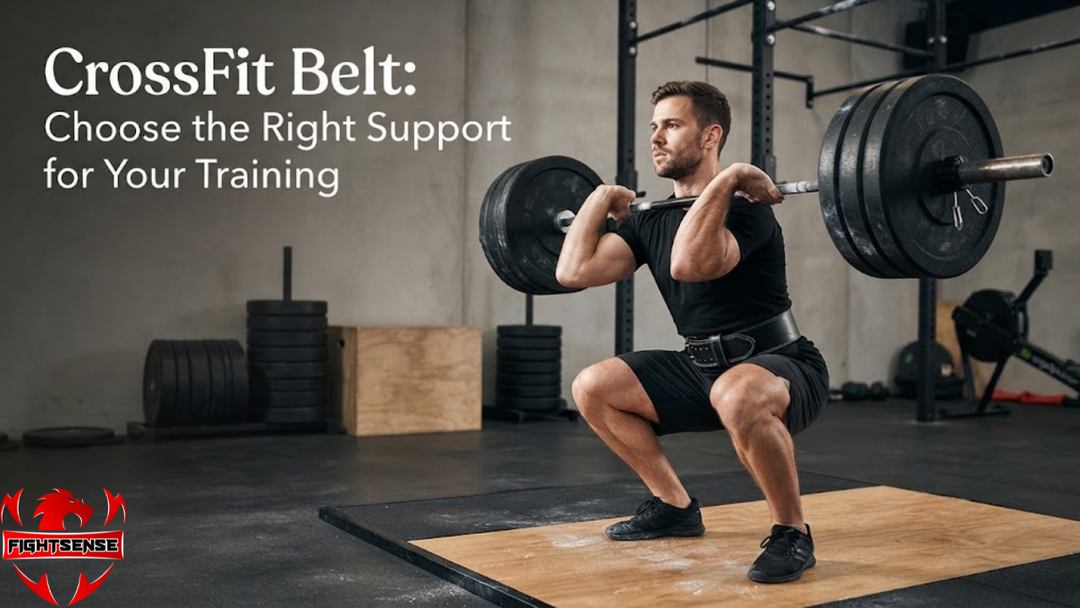
CrossFit Belt: Choose the Right Support for Your Training
A CrossFit belt might look like a simple piece of gym equipment, but why do so many athletes rely on it during heavy lifts? As CrossFit workouts push the limits of strength, speed, and endurance, the right belt can help improve stability, control, and confidence when training gets more challenging.
What Is CrossFit and Why Do Athletes Need a Belt?
CrossFit is a high-intensity training approach that includes strength exercises, functional movements, and conditioning routines to develop strength, endurance,e and general fitness. It comprises workouts such as squats, deadlifts, Olympic lifts, ts and bodyweight exercises.
The higher the athletes get and the heavier they get, the harder it becomes to stay stable and in position. CrossFit belts also offer extra support during heavier lifts, helping athletes practice with more control and confidence.
Why Is a Belt Important for CrossFit Strength Training?
A CrossFit lifting belt is designed to provide additional support during heavy strength movements like deadlifts, squats, and cleans. These exercises require strong core control and proper body positioning, especially when lifting heavier weights.
By creating a more stable feeling around the midsection, a belt can help athletes maintain better control and focus during challenging sets. However, it should be used as a training tool alongside proper technique, not as a replacement for strength or good form.
What Are the Benefits of Using a CrossFit Lifting Belt?
A good lifting belt can provide many benefits when used properly in a training program.
1. Helps Enhance Lifting Stability
Your core is the foundation for heavy lifts. A belt gives you that extra bit of security around your midsection, so you can control yourself better with difficult weights.
This can be particularly useful in tasks like:
- Deadlifts
- Back squat
- Front Squat.
- Cleans.
- Snatch actions
2. Gives confidence when heavily loaded
Strength training is physical and mental. When athletes are confident in their equipment, they can push through tough sets with more focus.
A good belt can make you feel ready for heavier lifts and more intensive exercises.
3. Allows Consistent Training
CrossFit is characterized by high-intensity, repetitive activities. A solid belt can be a reliable piece of your training setup if you do strength exercises on a regular basis.
4. Promotes Better Awareness While Lifting
A belt doesn’t fix your technique for you, but it can remind athletes to stay controlled and keep proper body positioning.
What Types of CrossFit Lifting Belts Are Available?
When searching for the right CrossFit training belt, you will usually come across different designs. Two of the most popular options among strength athletes are:
Both options are designed to support lifting performance, but they offer different experiences.
Why Choose a Weightlifting Belt for CrossFit?
A decent weightlifting belt can be suitable for a variety of training regimens such as:
- Crossfit training
- Weight training
- Weightlifting sessions
- Compound heavy exercises
Athletes like this style because it offers a good blend of support and flexibility.
Fightsense weightlifting belts are built to withstand intense workouts and offer a secure and comfortable fit for athletes seeking dependable training gear.
If you’re getting stronger or working up to larger exercises, a hard-wearing weightlifting belt might be a great addition to your gym kit.
CrossFit Belt vs Gym Belt: What’s the Difference?
Not all belts are designed for the same purpose. A regular gym belt offers basic support, while a CrossFit or weightlifting belt is built for heavier lifts and intense training.
|
Feature |
CrossFit / Weightlifting Belt |
Regular Gym Belt |
|
Best For |
Heavy lifts, squats, deadlifts |
General workouts |
|
Support |
Higher stability |
Basic assistance |
|
Durability |
Built for intense training |
Depends on quality |
|
Ideal User |
Lifters and CrossFit athletes |
General fitness users |
Choosing the right belt depends on your training style and the movements you perform most often.
Buying a Weightlifting Belt? Here’s What You Need to Know
Choosing the appropriate weightlifting belt is more than simply going for the strongest choice. The appropriate belt should fit your style of training, comfort, and lifting goals.
1. Quality of Material
The material influences durability, comfort, and long-term performance. You want a quality belt that will reliably support you and be comfortable to wear during a hard workout.
2. Thickness/Width
The thickness and width of a belt will affect how much stability and flexibility it will provide. If you're doing a lot of heavy lifting, then a thicker design would be ideal, but if you're doing a variety of workouts, then a more balanced width might be better for movement.
3. Size and Fit
A well-fitted belt should feel snug but not tight enough that it prevents your breathing or movement. The appropriate size for more comfort and performance in training.
4. Buckle Type
Different athletes have varied favorite systems of lacing. There are traditional buckle belts that are adjustable and lever belts that tighten quickly and are consistent.
Get Yours Now!
Is a Lever Belt Suitable for Functional Fitness?
Yes, you can use a lever belt while CrossFit training, especially during the strength half of a workout.
While CrossFit incorporates a variety of motions, competitors often use belts to help with stability during movements that require more support, like big squats or deadlifts.
What’s right for you depends on your training. If you want to make quick adjustments and want a secure fit, a lever belt might be the way to go.
Why Does Choosing the Right Training Belt Matter?
The appropriate training equipment can make a difference in achieving your strength and fitness goals. The Fightsense weightlifting and lever belts are built for sportsmen needing dependable support during their intense workouts.
If you appreciate the versatility of a weightlifting belt or the quick, secure fit of a lever belt, a quality belt can help you work out with greater confidence. Fightsense belts are built for your training adventure. More than accessories, they’re designed for CrossFit competitors, weightlifters,s and strength training enthusiasts.
FAQs:
Can a CrossFit training belt Limit Movement During Workouts?
A well-fitted belt should provide support without restricting natural movement. Choosing the right width, thickness, and fit helps maintain comfort during dynamic CrossFit exercises.
Can a CrossFit workout belt be used for Other Strength Training?
Yes, a CrossFit belt can also be used for activities like weightlifting, strength training, and heavy compound movements.
What Thickness Is Best for a CrossFit workout belt?
Athletes who focus on heavy lifts may prefer more rigidity, while others may choose a balance between support and mobility.
How Should a Weightlifting Belt Be Stored?
Keeping the belt dry, storing it in a flat position, and avoiding unnecessary bending can help maintain its shape and durability.
What Makes a Training Belt Suitable for Long-Term Use?
A long-lasting training belt should combine quality materials, strong construction, comfortable fit, and reliable performance for regular workouts.
Conclusion:
CrossFit belts can be great for athletes who do tough strength moves daily. The correct belt can help you feel more stable, more confident in heavier lifts, and can make your training more regulated.
Whether you choose a weightlifting belt that is versatile or a quick-adjust lever belt, the most essential thing is to find equipment that is right for your training goals. Fightsense weightlifting and lever belts help athletes focus on developing strength, enhancing performance, and advancing with confidence.
Disclaimer:
A CrossFit lifting belt is a training aid, not a replacement for proper technique, coaching, or safe lifting practices. Always train according to your ability and fitness level.