
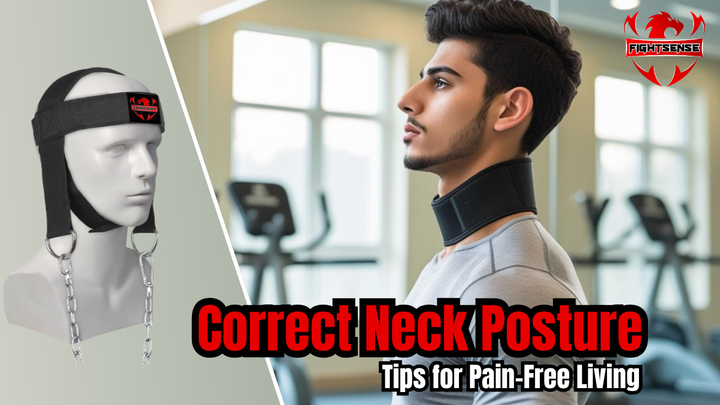
Correct Neck Posture Tips for Pain-Free Living
29th May 2025
Neck pain, stiffness, and tension often stem from poor posture, especially forward head posture, rounded shoulders, and slouched positions. Learning how to maintain correct neck posture can relieve discomfort, support your spinal health, and prevent long-term issues.
Below are science-backed tips and habits that you can integrate today for lasting pain-free living.
Keynotes
- Maintaining correct neck posture alleviates stress on the cervical spine.
- Ergonomic setups and posture resets counteract screen-induced slouching.
- Simple exercises—chin tucks, stretches, scapular activation, build better alignment.
- Boosting muscle strength supports posture anchors in the upper back and neck.
- Consistency in posture habits is essential for long-term comfort and pain prevention.
Why Correct Neck Posture Matters
- Prevents chronic neck and back pain
- Reduces the likelihood of disc degeneration
- Promotes blood flow and respiration.
- Energy and focus levels rise.
- Improves confidence and physical equilibrium.
People of several ages should maintain proper posture for their necks. First of all, awareness of the issue and appropriate workouts to correct posture neck depend on each other.
Signs Your Neck Posture Needs Correction
- Straight forward tilt of your head.
- Hunched over shoulders
- Neck or upper back discomfort not going away
- Pain and stiffness with extended long-term sitting
- Insufficient mobility of the neck
If any of these describe you, it's time to pick up correct neck posture techniques. Frequent wear of the Fightsense neck harness helps retrain your muscles and maintain correct body posture.
How to Correct Neck Posture: Effective Techniques
1. Chin Tucks
Chin tucks are one of the best neck exercises to improve correct neck posture.
- Straighten whether seated or standing.
- Tucking your chin slightly will create a double chin.
- Spend 5 seconds holding then release.
- 10-15 times daily.
This helps you maintain your head straight over your shoulders and strengthens the muscles in your neck.
2. Wall Angels
- Angels on the Wall Back up against a wall.
- Arrange your arms like a goalpost.
- Advance them slowly both up and down.
- 10 times this is what I do.
Wall angels assist you to maintain proper posture of your neck and shoulders and open the chest.
3. Use the Fightsense Neck Harness
- Provides resistance-based training
- Builds the upper spine and neck strength
- Helps to bring the equilibrium back.
- Just perfect for rest periods and exercise activities.
Without needing surgery, the Fightsense neck harness is a great approach to correct neck posture.
4. Adjust Your Workspace
- Keep screens right up for your view.
- Make use of chairs fit for you.
- Have breaks every 30 minutes.
These exercises assist people learn how to correct their posture in the modern environment and relieve tension on the neck.
5. Stretching and Mobility Work
- Neck tilts sideward.
- Roll your shoulders.
- Stretches the trapezius upper-right.
Daily stretching increases your flexibility and helps you to relax your neck.
Everyday Actions to Restore Correct Neck Posture
a) Ergonomic Adjustments
- Raise screens to eye level to avoid tilting your head downwards
- Use a wedge cushion or chair tilt to support upright alignment.
b) Regular Posture Resets
- Micro-breaks—stand and stretch to reset alignment
- Passive “adult tummy time” on your stomach to counteract the forward slouch,
c) Supportive Exercises
- Chin tucks: Align your head over your spine; hold briefly and repeat.
- Upper trap + levator stretches: Relieve tension in neck/shoulder area.
- Shoulder blade squeezes: Strengthen posture-supporting muscles.
d) Strength Training
-
Target both neck and upper back muscles through controlled resistance work using tools like harnesses or resistance bands
Correct Posture for Neck: Daily Habits
- Avoid cradling phones between shoulder and ear
- Sleep with a supportive pillow
- Stay hydrated for spinal disc health
- Maintain core strength through planks and yoga
- Practice mindful posture checks
Little lifestyle adjustments will help you find how to correct posture neck. As a habit, straighten your neck every hour.
Evidence From Research
-
A study combining manual therapy and stabilizing exercises over six weeks showed significant improvement in head posture and pain reduction among women with forward head and rounded shoulder posture.
-
Another research found that therapeutic exercises can produce large improvements in the craniovertebral angle (CVA, a metric for head position) and reduce neck pain in people with forward head posture
How the Fightsense Neck Harness Helps
The Fightsense neck harness is designed to offer structured support to enhance posture naturally.
By incorporating it into your routine:
- You train key muscle groups.
- Learn better control of your spine.
- Minimise neck discomfort brought on by poor posture.
It’s a must-have for athletes, remote workers, or anyone serious about how to correct neck posture.
Conclusion
Correct neck posture doesn’t happen overnight but by combining ergonomic setup, regular posture exercises, and changing daily habits, you can reduce neck pain and discomfort significantly.
Commit to these changes, stay consistent, and over time, your neck will carry itself in alignment, helping you live pain-free, with better mobility and less tension.
Disclaimer
This article is intended for general informational use and doesn’t substitute professional medical advice. Consult a qualified healthcare provider if you experience persistent discomfort.
FAQs
1. How often should I practice posture exercises to see results?
3-5 times a week generally leads to significant improvements in 4-6 weeks.
2. Is it ever too late to improve neck posture?
No, studies show posture improvements are beneficial even in older adults.
3. Can posture correction alone fix neck pain?
It helps a lot, but combining posture correction with strength training, stretching, and lifestyle changes gives the best, lasting results.
4. What’s a simple way to check if my neck posture is correct?
Look in a mirror: Your ears should align over your shoulders. If your head juts forward, or your shoulders round, that’s a signal to correct.
5. When should I see a professional?
If pain is severe, persistent, causes numbness, or if there is injury, a physical therapist or medical professional should assess the situation.