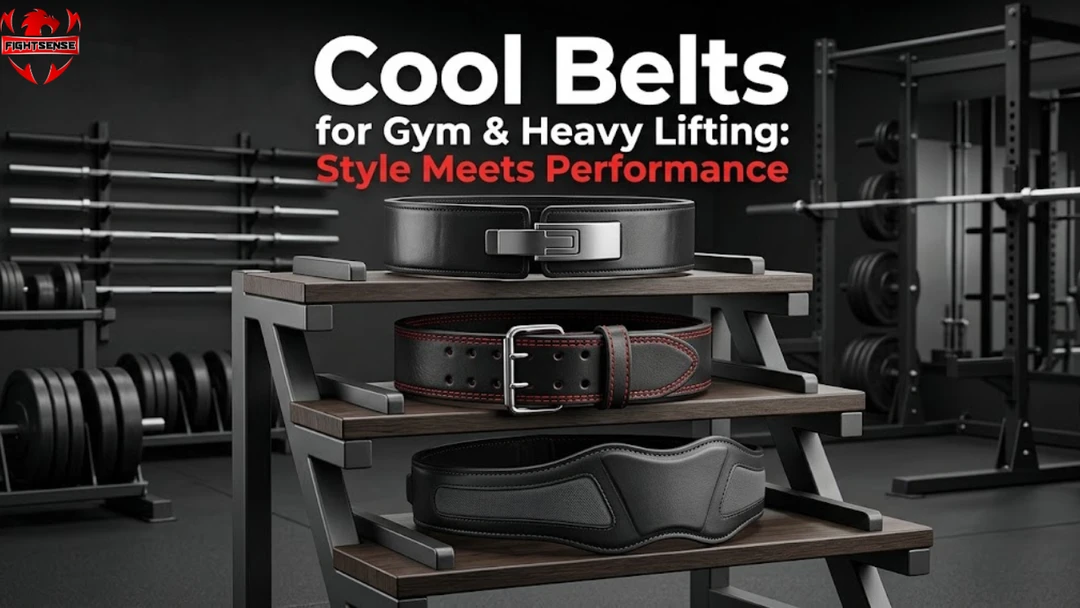
Cool Belts for Gym & Heavy Lifting: Style Meets Performance
When you step onto the gym floor, every piece of gear you wear reflects your dedication and mindset. Heavy lifting requires strength, focus, and the right protective equipment. In modern strength training, functional gear doesn’t have to look dull or purely industrial.
Athletes today demand fitness accessories that perform under extreme weight while delivering a clean athletic look. Finding cool belts that offer maximum core support alongside high-end aesthetics has become a priority for serious lifters. In this guide, we explore how proper support gear enhances your lifting performance without sacrificing your style.
The Evolution of Lifting Belts: Function Meets Aesthetic
Lifting accessories were inflexible, basic and uncomfortable. Early powerlifters used simple leather straps that typically cut into the ribs and hips. With the evolution of current gym culture, strength training accessories have become more ergonomic and eye-catching.
Today's sportsmen want fashionable belts that blend heavy-duty materials with sleek athletic designs. Contemporary accessories do more than just protect your lower back, they provide you the mental confidence to smash new PRs. When you’re wearing gear that looks rugged and feels comfortable, your mind immediately goes to maximum exertion.
Key Features of High-Performance Support Belts
Not all weightlifting accessories out there are effective. Choose equipment that can handle hard training sessions. Look for these key design features:
- Strong duty stitching: Double or triple reinforced seams prevent fraying on strong squats and deadlifts.
- Ergonomic Contouring: A tapered width supports your lower lumbar spine without restricting movement or poking into your ribs.
- Premium Hardware: The weight plates are secured with steel chains, strong carabiners and steel buckles.
- Sweat-Resistant Padding: Moisture-wicking breathable lining to minimize sliding during sweaty sets.
Types of Cool Belts for Serious Athletes
Depending on your daily workout split, different forms of lifting support will provide distinct athletic benefits.
1. Weighted Dip Belts
Dip belts are a favorite of calisthenics aficionados and bodybuilders because they let you add weight plates to bodyweight motions such as chin-ups, pull-ups, and chest dips. A good grade dip belt has a wide lumbar pad and a heavy duty steel chain to hold big loads without discomfort.
2. Contoured Weightlifting Belts
Contoured lifting belts are designed for big compound actions such as squats, deadlifts and overhead presses and they also support your lumbar core. They provide your abdominal wall something to push against. This helps your spine to be in a safer alignment.
How Intra-Abdominal Pressure Protects Your Spine
Knowledge of the mechanics of lifting gear can assist you to use it successfully. A weightlifting belt does not support your spine directly by gripping it strongly but works as a rigid wall for your core muscles.
If you breathe deeply into your diaphragm before a hefty lift (called the Valsalva maneuver), your core expands. You push your abdomen into a hard belt to increase IAP . This pressure keeps your spine in place from the inside out, thereby lowering shear stress on your lower back.
Why FightSense Gear Belongs in Your Gym Bag
In terms of improving your strength equipment, opting for reputable gear designed exclusively for adult athletes is key. FightSense manufactures fitness gear that are built tough for hard-hitting training regimens.
This is why lifters prefer FightSense for their daily training:
- For Adult Athletes: Specifically designed for big plates and high intensity resistance training without tearing or stretching.
- Maximum Durability: Heavy-duty steel hardware and high-tensile materials are intended to endure harsh wear and tear.
- Ergonomic Support: The wide lumbar padding provides better pressure distribution to your back and core.
- Sleek Esthetic: Blends raw strength with a modern design, making them one of the most durable and cool belts available for powerlifters and gym enthusiasts both.
Dip Belts vs. Traditional Weightlifting Belts
Choosing between a dip belt and a traditional lifting belt depends on your training goals. The comparison table below highlights their main differences:
|
Feature |
Weighted Dip Belt |
Traditional Weightlifting Belt |
|
Primary Exercise |
Dips, Pull-Ups, Belt Squats |
Deadlifts, Squats, Overhead Press |
|
Weight Attachment |
External steel chain & carabiner |
None (secures tightly around waist) |
|
Core Function |
Load progressive weight on bodyweight moves |
Build intra-abdominal pressure for spine support |
|
Fit Style |
Loosely rests over hips under load |
Tight fit around natural waistline |
|
Key Hardware |
Steel chain, rings, carabiner clips |
Steel lever or heavy prong buckle |
Step-by-Step Guide: How to Wear Your Belt Correctly
Using your lifting gear wrong might affect how well it works and mess up your form. For optimal core support follow these simple steps:
- "Position the Belt Correctly" Place the wider lumbar support pad flush against your lower back, directly above your hip bones.
- Find the Right Fit: Tighten the belt enough so you can get two fingers between the belt and your abdomen. It should not cut off your breath before bracing.
- Brace your core. Take a deep breath into your stomach (not your chest) and press your abdominal wall outwards against the belt.
- Attach External Weight (Dip Belts Only): Attach the steel chain to the center of the weight plates, clip the carabiner tightly onto the other steel ring, and slowly reduce the weight before starting your set.
Pros & Cons of Heavy-Duty Gym Belts
Pros
- Core stability for big compound lifts.
- Reduces tension on lower lumbar spine.
- Allows increasing overload on workouts like dips and pullups with only your own body weight.
- Robust steel hardware avoids accidental drops or gear failure.
Cons
- May generate overreliance when applied to warm-up sets or lesser weights.
- Improper positioning might cause bruising of the hip bones or ribs.
Expert Tips for Long-Lasting Gear Maintenance
Quality exercise gear is an investment in the lifespan of your training. Here are some simple techniques to keep your accessories in tip-top shape:
- Air Dry After Workouts: Never keep wet items inside a zippered gym bag. Air dry your items to avoid odors.
- Regular Hardware Check: Periodically inspect steel chains, carabiners, and buckles for signs of wear or strain.
- Spot Clean Only: Clean neoprene or synthetic fabric with a damp cloth and moderate soap. Avoid washing machine cycles that are too harsh.
How Lifters Misuse Support Belts (And How to Fix It)
- Over-tightening the belt: Excessive tightness prevents adequate diaphragm breathing and prevents you from developing maximal intra-abdominal pressure.
- Using Belts For Every Workout: If you wear support belts for light warm-ups, you’re weakening your natural stabilizer muscles. Put away your heavy gear for your working sets.
- Belt Position Too Low/Too High: If your belt is out of position it can shift as you perform deep squats or can dig into your ribs painfully.
FAQs:
Cool Belts: What do they do in the gym?
In fitness, these are attractive, high-duty cool belts (such as dip belts and weightlifting belts) that are meant to support your core and allow for increased resistance during heavy lifting.
Can I use a dip belt for deadlift?
No. Dip belts are steel chains that let you do dips and pull-ups by hanging weight from your waist. They don't close around your midsection to help you with deadlifts.
How tight is a weight belt supposed to be?
Your belt should be snug enough to offer a hard resistance as you brace your abdominal wall, yet free enough to allow you to fully breathe into your stomach.
Do I have to wear a belt during warm up sets?
The ideal way to build up your natural core stabilizers is to do light warm-up sets without a belt and to just put on your gear for your heaviest sets.
What is the weight capacity of a heavy-duty dip belt?
Commercial quality dip belts with steel chains and reinforced stitching can support many 45 lb (20 kg) weight plates without cracking or tearing.
How do I know whether I need a contoured belt?
If you find that regular straight lifting belts dig into your ribcage or hips during deep squats, a contoured belt will be considerably more pleasant.
Summary
Upgrading your workout gear with snazzy belts isn’t just about looking nice in the weight room—it’s about training safer, lifting heavier, and increasing genuine strength. Where ergonomic support, steel toughness and sleek athletic esthetics converge, you get equipment that works as hard as you do.
Disclaimer:
This article is for informational purposes only. Always consult a fitness professional before using new lifting equipment.