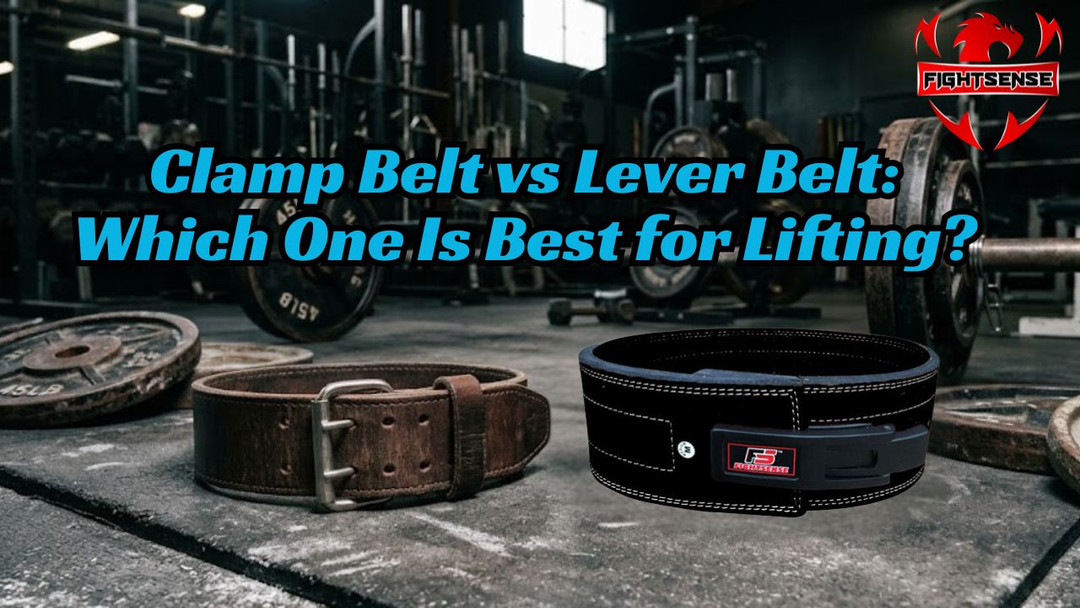
Clamp Belt vs Lever Belt: Which One Is Best for Lifting?
Clamp Belt vs Lever Belt — which one actually gives you the confidence to lift heavier and train stronger? Choosing the wrong lifting belt can affect your comfort, stability, and performance when pushing your limits. Whether you are chasing a bigger squat, improving your deadlift, or building serious strength, the right belt can become a powerful training partner.
Both Clamp and Lever Belts offer core support during heavy lifts, but their adjustment, locking system, and overall feel are completely different. In this guide, we’ll break down the real differences between Clamp vs Lever Belt and help you discover which one matches your lifting style and goals.
Key Takeaways:
- The best lifting belt isn’t about popularity — it’s about matching your training style, comfort, and lifting goals.
- Clamp Belts give you flexibility and adjustable support, making them ideal for lifters who like to control their fit during different workouts.
- Lever Belts deliver a consistent, locked-in feel that many serious lifters prefer for heavy squats, deadlifts, and strength training.
- A lifting belt works by improving core stability and bracing — it supports proper technique but cannot replace strong lifting fundamentals.
- Choosing the right belt can transform your training confidence by helping you lift with better control, stability, and focus.
Why Do Weightlifters Wear Weightlifting Belts?
A weightlifting belt isn’t simply an accessory at the gym, it’s a tool to aid enhance core stability and support during heavy lifts. A good fitting belt helps a lifter brace their core better, giving them more control and confidence on tough moves.
Squats, deadlifts, barbell rows, overhead presses, etc. are all exercises where belts are common. A belt, however, should be used to support correct technique, not replace it. Always focus on building strength, mobility and good lifting practices.
What Is a Clamp Belt and How Does It Work?
Clamp band has an adjustable clamp system, allowing the lifter to wrap the belt around his waist for comfort and training purposes.
This type allows consumers greater room to modify tightness than fixed locking systems. Some athletes choose a little more snug fit on heavy sets and a little looser during warm-ups or auxiliary exercises.
This makes it a popular option for lifters who want a versatile training session.
The key benefits are:
- Flexible setting choices
- Simple tightness adjustment
- Easy fit for varied exercises
- Sufficient for all training methods
For the recreational lifter, fitness enthusiast, and athlete who likes to modify their training intensity often, an adjustable belt design can be a smart solution.
Why Are Lever Belts Popular Among Serious Lifters?
Lever belts are a favorite among many strength athletes because they offer a solid locking mechanism and a consistent fit.
The belt can be adjusted to a desired position and then locked with a lever mechanism. Getting the belt on and off is quick and simple once the first setup is done.
One reason many experienced lifters favor lever-style belts for rigorous training sessions is this consistency.
The benefits of lever belts are:
- Locking and removal fast
- Dependable Core Support
- Pressure on elevators
- Rugged construction for everyday training
If you’re an athlete who does a lot of heavy compound lifts, a lever belt can offer you with the confidence and stability you need when you’re throwing down big numbers in the gym.
Clamp vs Lever Belt: Main Differences
Understanding the key differences between Clamp and Lever Belts helps you choose the right option for your training needs.
|
Feature |
Clamp Belt |
Lever Belt |
|
Locking System |
Adjustable fastening |
Fixed lever lock |
|
Adjustment |
Easy tightness changes |
Set once for a consistent fit |
|
Convenience |
Flexible during workouts |
Quick to wear and remove |
|
Support Feel |
Customizable pressure |
Firm, stable support |
|
Best For |
General training & flexibility |
Heavy lifting & strength training |
Both belts provide great support when used correctly. The right choice depends on your goals, comfort, and lifting style.
Which Belt Provides Better Support During Heavy Lifting?
During heavy lifts, stability and confidence are essential. A quality belt helps support your core and improves control when handling challenging weights.
A Clamp Belt is ideal for lifters who prefer adjustable tightness during different exercises, while a Lever Belt offers a fixed, consistent fit that many athletes prefer for heavy squats, deadlifts, and strength training.
The best choice depends on your lifting style, goals, and comfort preference.
Is a Lever Belt Better for Beginners?
A common question from novices is if lever belts are for professional athletes only. The truth is, the correct belt is based on your approach, not your experience level.
When a beginner has learned the right lifting technique and knows when to require additional assistance, a lever belt can be used to improve strength.
Before picking a belt, beginners should focus on:
- Learning proper lifting technique
- Building up the core
- Learning how to properly brace
- Picking comfy equipment
A decent quality belt can be a long term training partner as your strength and experience increases.
How Do You Choose the Right Lifting Belt?
Things to look for before buying a lifting belt:
Belt Match Your Training Goals
It is important to consider your fitness goals when choosing a belt. When you are talking about overall fitness you might want to be flexible with what kind of assistance you are receiving, but when you are talking about strength focused training you want continuous support.
Think About Your Heavy Weightlifting Routine
If you often perform heavy compound actions like squats and deadlifts, consider a belt that gives you consistent support throughout intensive workouts.
Prioritize Comfort and Fit
A decent lifting belt should support but not restrict your breathing or mobility. The ideal fit lets you brace correctly and be comfortable.
Verify the Quality and Durability
Look for a belt with robust materials, durable stitching, and dependable hardware to withstand the stresses of daily training.
Upgrade Your Lifting Experience With Fightsense Lever Belts
Choosing the correct lifting equipment can have a huge effect on your training results. Fightsense Lever Belts are for lifters who demand durability, comfort and consistent assistance during heavy sessions.
Fightsense provides a secure fit, strong construction and more confidence when training with squats, deadlifts and strength focused motions. Whatever your goal, whether it is gaining strength or setting new personal bests, the correct belt will help you on your way.
Match Your Training Goals With the Right Lifting Belt
The best belt depends on what you need from your training equipment.
|
Your Goal |
Recommended Option |
|
General gym workouts |
Adjustable lifting belt |
|
Frequent tightness changes |
Flexible belt design |
|
Heavy squats and deadlifts |
Lever belt |
|
Strength-focused training |
Lever belt |
|
Long-term lifting progress |
High-quality durable belt |
If you prefer flexibility and want more control over adjustment, an adjustable style may work well.
If you want a secure fit, fast setup, and consistent support during serious training, a lever belt may be the better choice.
FAQs:
1. Should a lifting belt be worn during warm-up sets?
Most lifters prefer training warm-up sets without a belt to develop natural bracing ability. A belt is usually introduced when approaching heavier working sets where additional support is needed.
2. Does the type of buckle affect lifting belt performance?
Yes, the buckle system can affect convenience and fit. Lever mechanisms provide quick locking and consistent positioning, while adjustable systems allow easier changes throughout a workout.
3. Are expensive lifting belts worth the investment?
A higher-priced belt can be worth it if it offers better materials, stronger construction, and a more reliable fit. For regular lifters, a durable belt can be a long-term training investment.
4. Are lever belts allowed in powerlifting competitions?
Many powerlifting federations allow lever belts if they meet specific equipment rules regarding thickness, width, and materials. Lifters should always check the rules of their federation before competing.
Conclusion:
The choice between a Clamp and a Lever Belt comes down to your training needs, your lifting style and personal preference. Clamp Belts give you flexibility and easy adjustment, and Lever Belts give a secure, consistent fit for lifters focusing on strength and performance.
If you’re an athlete who values durability, consistent support, and confident heavy lifting, Fightsense Lever Belts are built to function reliably. The finest lifting belt is the one that provides you with stability, allows you to lift confidently, and makes your strength journey a consistent one.
Disclaimer:
This content is for informational purposes only. Always consult a fitness professional before using any new equipment, including a clamp belt, to ensure proper use and fit.