
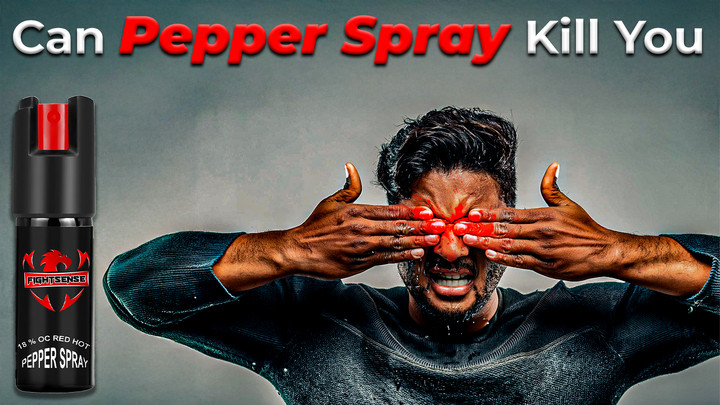
Can Pepper Spray Kill You? What You Should Know
4th Dec 2024
Can Pepper Spray Kill You? Pepper spray is a popular non-lethal self-defense tool used worldwide. It temporarily incapacitates attackers, giving victims a chance to escape. But like any tool, it carries risks, and rare serious incidents have raised questions about its safety.
Keynotes:
- Pepper spray is generally non-lethal but can cause harm in rare cases.
- Effects of pepper spray include burning, temporary blindness, and difficulty breathing.
- Fatalities from pepper spray are rare and often involve other contributing factors.
- Always use pepper spray as directed and follow local laws.
- Knowing how to properly decontaminate after exposure can reduce discomfort.
How Does Pepper Spray Work?
Pepper spray contains oleoresin capsicum (OC), a natural compound extracted from chili peppers. This substance is the main active ingredient responsible for the spray's intense effects on the eyes, skin, and respiratory system.
When sprayed, pepper spray can cause:
- Burning Sensation: A powerful, intense burning feeling in the eyes and on the skin.
- Temporary Blindness: The eye irritation caused can lead to temporary blindness.
- Breathing Difficulty: The spray irritates the respiratory system, leading to coughing, choking, or shortness of breath.
- Disorientation: It may impair motor functions and confuse, making it difficult for the attacker to focus.
These effects are meant to incapacitate a person temporarily, giving the victim enough time to escape or get help.
Pepper Spray Exposure: How Long Do the Effects Persist?
Typically, the effects of pepper spray last from 15 minutes to over an hour, depending on the spray's concentration and the individual’s sensitivity. While most of the discomfort disappears within an hour, some mild symptoms may linger for longer. Quick decontamination steps can help alleviate the irritation more effectively.
Can Pepper Spray Be Fatal?
While pepper spray is considered a non-lethal self-defense tool, certain circumstances could make it potentially dangerous. However, fatalities from pepper spray are extremely rare and usually involve other contributing factors. Let’s break down some of these situations:
1. Pre-existing Health Conditions:
Individuals with asthma, chronic obstructive pulmonary disease (COPD), or severe allergies may experience complications. The intense irritation caused by pepper spray can trigger an asthma attack or cause severe breathing difficulties in such individuals.
2. Excessive Exposure:
Can Pepper Spray Kill You? Excessive exposure to pepper spray, especially if sprayed for an extended period, can cause severe respiratory distress. The longer someone is exposed, the greater the chances of complications, particularly if they are unable to escape the area. While deaths are extremely rare, this highlights why proper caution is essential when using or encountering pepper spray.
3. Improper Use:
Using pepper spray in confined spaces (such as indoors) can increase the risk of asphyxiation. In small, unventilated areas, the spray can fill the air, leading to more severe respiratory issues.
4. Delayed Medical Attention:
Failing to seek medical attention in severe cases can lead to complications, especially in individuals with underlying health conditions. It’s always crucial to call for medical help if symptoms persist or worsen.
While fatalities are possible, they are typically due to a combination of factors such as pre-existing health conditions, physical restraint, or substance abuse. Pepper spray alone is rarely the direct cause of death.
Documented Cases of Severe Reactions:
Can Pepper Spray Kill You? There have been isolated cases where pepper spray contributed to fatalities, but in nearly all cases, there were other compounding factors. For example, individuals with pre-existing health conditions or excessive restraint by law enforcement have faced more serious complications.
In such situations, pepper spray was a contributing factor, not the sole cause of death, highlighting that while it is generally non-lethal, caution is still necessary.
Safety Measures When Using Pepper Spray:
To ensure safety and minimize risks, always follow these guidelines:
1. Use As Directed:
Always adhere to the manufacturer's instructions. Never use more than the recommended amount or spray for longer than needed.
2. Avoid Confined Spaces:
Do not use pepper spray in small, poorly ventilated areas. Always use it in an open space to avoid suffocation or excessive exposure.
3. Target the Attacker:
Aim for the face, specifically the eyes and nose, to maximize the effectiveness of the spray. Maintain a safe distance to reduce the risk of accidental self-exposure.
4. Seek Training:
Understanding the proper use of pepper spray is essential. Consider attending a self-defense class to familiarize yourself with how to handle the spray.
5. Carry Responsibly:
Store your pepper spray in a safe place, away from children, and make sure it is within easy reach in case of an emergency.
Pepper Spray Exposure: Quick Decontamination Tips:
-
Move to fresh air immediately.
-
Rinse with cool water (avoid hot water).
-
Don’t rub affected areas.
-
Wash gently with mild soap.
-
Seek medical help if symptoms persist or worsen.
Legal and Ethical Considerations:
Pepper spray laws differ from region to region. In some places, its strength, usage, and even possession may be restricted.Before carrying pepper spray, familiarize yourself with local laws to stay compliant. People often ask, “Can pepper spray kill you?” While it’s generally non-lethal, this highlights why it should only be used responsibly for self-defense. Misuse can lead to legal trouble or unintended harm, so always use it ethically and cautiously..
FAQs:
1. Can pepper spray kill someone?
While fatalities are rare, excessive exposure or pre-existing health conditions can lead to severe complications. Most fatalities involve other contributing factors.
2. How long do the effects of pepper spray last?
The effects can last anywhere from 15 minutes to an hour, depending on the spray’s concentration and individual sensitivity.
3. Is pepper spray effective in self-defense?
Yes, it is a highly effective tool for self-defense, temporarily incapacitating attackers and allowing victims to escape.
4. Can pepper spray cause permanent damage?
In most cases, pepper spray causes temporary discomfort and does not result in permanent damage. However, excessive exposure or improper use may cause complications.
5.Is pepper spray legal to carry?
Pepper spray laws vary by region. Always check local laws before purchasing or carrying pepper spray to ensure compliance.
Conclusion:
Pepper spray is generally a safe, non-lethal self-defense tool, but it carries risks in certain situations. Many people ask, “Can pepper spray kill you?” While fatalities are rare, individuals with health issues, prolonged exposure, or improper use may face severe reactions. Using it responsibly and following safety measures can minimize complications..
Disclaimer:
This blog is for informational purposes only and does not constitute legal or medical advice. Always consult local laws and healthcare professionals for specific guidance on pepper spray usage.