
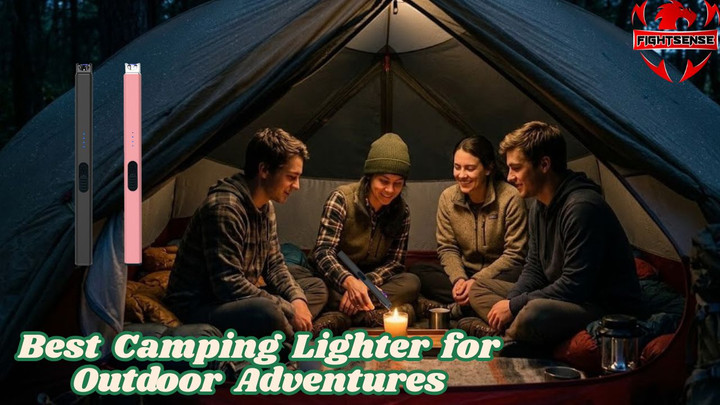
Best Camping Lighter for Outdoor Adventures
10th Mar 2026
Camping Lighter is an essential tool when you go camping, trekking, or backpacking, providing a dependable way to build a fire. Having a reliable fire starter can make a huge difference on your trip, whether you need it to cook, stay warm, or handle an emergency.
Choosing the best outdoor lighter for your adventures ensures you can create a fire even in challenging conditions, like wind, rain, or cold weather. In this article, we’ll explore different types of lighters, important factors to consider, and tips to help you select the ideal one for your next trip.
Key Notes:
1. Weather Performance – How lighters perform in wind and rain.
2. Weight & Portability – Lightweight and easy-to-carry options.
3. Fuel vs Rechargeable – Comparing butane and electric lighters.
4. Emergency Fire Tips – Starting a fire in challenging conditions.
5. Backup Fire Tools – Always carry an extra lighter or fire starter.
Understanding Camping Lighters:
A camping lighter is made to be used outside. These gadgets are made to work in severe conditions, unlike normal disposable lighters.Most outdoor lighters have features like flames that don't blow out in the wind, designs that don't get wet, and materials that last.
These traits make them useful tools for campers, hikers, and others who like to survive.A decent lighter should function all the time, no matter what the weather is like, and it should be convenient to carry in your pocket or backpack.
Types of Lighters for Camping and Hiking:
Lighters with butane:
Butane lighters are one of the most popular choices for camping. They run on butane gas and can typically be refilled.
Pros:
- Light and easy to carry
- Cheap and easy to find
- Simple to fill up and take care of
Drawbacks:
- In severely cold weather, performance can go down.
- Strong winds could change the flame.
Rechargeable electric lighters:
Electric or plasma lighters don't utilize fuel; they use batteries that can be charged. They generate an electric arc that easily lights anything on fire.
Pros
- Windproof ignition
- Can be charged with USB
- Better for the environment than single-use solutions
Cons:
- You have to charge the battery often.
- If the battery is dead while you're on a journey, it might not work.
Fire Starters Made of Flint and Steel:
Flint and steel tools are old-fashioned ways to light fires that people still utilize in survival circumstances. They make sparks that set dry tinder on fire.
Pros:
- Very strong
- Works even when it's wet
- Long life without fuel
Features to Look for in the Best Camping Lighter:
Performance that is windproof:
One of the most significant things about outdoor gear is that it can withstand wind. A design that keeps the flame stable even in severe gusts is windproof.
Waterproof Building:
When camping, it typically rains or is humid. A lighter that is waterproof or water-resistant helps make sure it works well in rainy places.
Long-lasting:
Outdoor gear needs to be tough. Metal or reinforced plastic lighters usually last longer and can handle hard use better.
How well it uses fuel
Models that can be refilled are great for extended excursions because you can use them more than once.
Safety Features
Controlled ignition mechanisms and safety locks help keep flames from starting by mistake and make the lighter safer to carry.
Top Camping Lighters for Outdoor Adventures:
Best Choice Overall:
A lighter for rechargeable that is strong, windproof, and works well for most outdoor activities.
The Best Choice for Windproof:
Because of their intense jet flames, torch-style lighters work well in windy places.
The Best Model That Is Waterproof:
Sealed designs that keep interior parts safe are best for wet or rainy weather.
The Best Option for Rechargeable:
Electric lighters are easy to use and don't need to be refilled with gasoline.
The Best Choice for Your Budget:
Models that are cheap but nonetheless work well for newbie campers.
Lighter vs Fire Starter:
Many outdoor enthusiasts carry both a lighter and a fire starter for safety.
Lighters:
- Quick and easy ignition
- Convenient for everyday camping tasks
Fire Starters:
- Extremely reliable
- Ideal as a backup tool in survival situations
Carrying both options ensures you always have a backup method to start a fire.
How to Use a Lighter Safely While Camping:
Fire safety is very important when spending time outdoors.
Safety Tips:
- Start fires in designated or safe areas
- Keep flammable materials away from the flame
- Never leave a fire unattended
- Always extinguish the fire completely before leaving the campsite
Following these precautions helps protect both the environment and your campsite.
Tips for Choosing the Right Lighter for Your Trip:
1. Consider Weather Conditions:
If you expect strong winds or rain, choose a windproof and waterproof option.
2. Think About Trip Duration:
Long trips may require refillable or rechargeable tools to ensure continuous use.
3. Check Weight and Portability:
Backpackers usually prefer lightweight gear that does not add extra weight.
4. Reliability:
Choose a model known for consistent performance and durability.
Maintenance and Care Tips:
Proper maintenance can extend the life of your lighter.
- Keep the lighter clean and dry
- Check fuel levels before trips
- Recharge electric models when needed
- Store it in a protective case
Taking care of your equipment ensures it works when you need it the most.
Fightsense: Smart Safety for Outdoor Adventures:
Fightsense is a one-of-a-kind safety gadget for campers and hikers that keeps them safe when they are using fire or gear. It makes starting fires and other things outside safer by having easy-to-use tools that help find possible dangers.
Fightsense is tough and easy to use. It adds an extra layer of safety while camping, so travelers can focus on having fun without worrying about mishaps. Fightsense makes outdoor activities safer and more fun, whether you're building a fire, cooking, or walking on rocky ground.
Conclusion:
For any outdoor trip, it's important to have a tool that can ignite a fire. Picking the correct gear can make camping vacations safer, easier, and more fun. You may choose the best alternative for your needs by looking at things like how well it resists wind, how long it lasts, and how much fuel it uses.
The correct equipment will make sure you can build a fire whenever you need to when you're out in the woods, whether you want a refillable butane lighter, a strong torch lighter, or a rechargeable electronic type.
FAQS:
1. What kind of lighter works best when it's windy?
Most of the time, torch lighters work best because their jet flames stay steady in severe winds.
2. Are electric lighters useful for camping?
Yes, electric lighters are windproof and can be charged again, which makes them a good choice for many campers.
3. Should you have more than one tool to ignite a fire?
Experts in the outdoors say you should always have at least one backup technique, such as a fire starter or additional lighter.
Note:
This blog is for informational purposes only and does not replace professional safety advice.