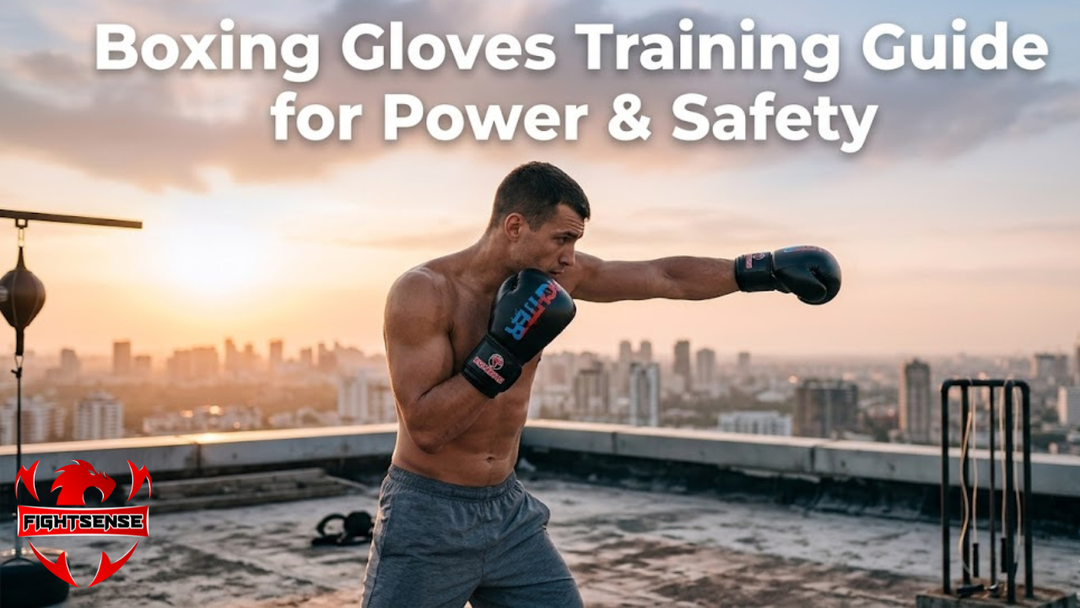
Boxing Gloves Training Guide for Power & Safety
Boxing Gloves Training is more than just throwing punches—it’s about timing, control, discipline, and smart protection. Most beginners focus on power, but real progress comes from technique, structure, and the right gear.
That’s why Boxing Gloves Training plays a key role in helping you build skill safely while improving performance step by step.
In this guide, you’ll learn how proper training methods, glove selection, and avoiding common mistakes can completely change your boxing results—even if you’re just starting out.
Key Takeaways:
- Mastery in boxing comes from disciplined training, not just raw punching power.
- Proper gloves and technique work together to build safe and effective performance.
- Consistency in practice creates long-term strength, speed, and endurance.
- Structured training reduces injury risk and improves overall fighting control.
- Real progress in boxing is built through patience, focus, and correct fundamentals.
Understanding Boxing Gloves Training in Real Practice:
Boxing Gloves Training in genuine gym situations is not random punching, it is a series of controlled drills.
A good training session usually includes:
- Shadowboxing (movement + technique)
- Heavy bag rounds (power & endurance)
- Pad work (timing and accuracy)
- Defensive drills (reaction and awareness)
Each stage treats gloves differently. For instance, shadowboxing is all about movement and not tiring out, while heavy bag work depends on wrist support and the quality of the padding.
Why Does Boxing Training Need Structure?
In professional boxing gyms, coaches won’t let beginners train without structure. It’s simple, random exercise creates unhealthy habits and raises the chance of injury.
Good boxing progress has four crucial elements:
- Correctness of methods
- Physical health
- Defensive intelligence
- Safety of equipment
When these aspects are balanced in training, learning becomes faster, safer and more effective.
Most boxing injuries occur outside of the ring – they occur during improper and unscheduled training sessions. So having a planned practice routine is necessary for long term improvement.
The Real Role of Gloves in Boxing Training
Gloves are often seen only as protective gear. In fact, they are performance tools.
A correctly built boxing glove influences:
1. Handsafety
They protect knuckles, metacarpals and wrist alignment upon impact.
2. Control of Punch
Heavier gloves will naturally slow down wayward blows which will help you acquire accuracy.
3. Developing Endurance
The resistance of the gloves helps your shoulders and arms adjust and build stamina over time.
4. Discipline of Technique
Good gloves make you use better form – and bad form gets uncomfortable fast.
All professional trainers take glove selection as seriously as technique, for this reason.
How Gloves Impact Performance?
From a biomechanical perspective, gloves affect:
- Force distribution across knuckles
- Wrist stability during impact
- Muscle fatigue rate in shoulders and arms
When gloves are too light, injury risk increases. When they are too heavy, speed decreases. That’s why balance matters.
Most trainers recommend:
- 12–14 oz → Bag work & beginners
- 14–16 oz → Sparring & endurance training
This balance ensures safety while still developing real fighting ability.
Choosing the Right Gloves:
Choosing gloves is not about brand hype—it’s about purpose.
- Padding Quality: High-density foam protects hands during repeated impact.
- Wrist Support: Velcro straps or lace-up designs stabilize wrist alignment.
- Material: Genuine leather lasts longer, while synthetic leather is more affordable for beginners.
- Fit Comfort: Poor fit leads to poor technique and possible injury.
A reliable training setup improves consistency and reduces fatigue.
Building Boxing Power, Strength & Stamina
Strength in boxing is not just about lifting weights—it is about functional movement.
Effective methods include:
- Shadowboxing with resistance focus
- Interval bag training
- Core stability exercises
- Push-pull upper body workouts
Endurance is developed through repetition, not intensity. Consistency builds fight stamina naturally.
Why Quality Gear Matters for Better Training?
The consistency of training has a huge influence on the equipment. Poor gloves can delay progress and increase harm risk.
More and more trainees choose companies that emphasise training comfort and durability. One of these is fightsense, which is well recognised among beginners and intermediate trainees for its practical design and training-oriented structure.
The reason why so many people prefer fightsense is simple, fightsense has a great combination of price and function, and it’s perfect for training every day without sacrificing hand protection.
Equipment reliability is not optional in systematic boxing development, it is required.
What Professional Boxing Coaches Focus On
Professional coaches focus on three things:
Experience-Based Training: Real sparring and bag work, not just theory.
Expert Correction: Continuous form improvement under supervision.
Trust in Equipment: Using gloves that protect long-term training ability.
Without these, progress becomes inconsistent and unsafe.
Advanced Training Methods for Fast Improvement
Once basics are mastered, training evolves:
- Double-end bag for timing precision
- Slip rope drills for defense
- Counter-punch reaction training
- High-intensity interval boxing rounds
At this stage, Boxing Gloves Training becomes tactical instead of just physical.
Final Thoughts:
It’s not just power that matters in boxing, it’s control, discipline and having the appropriate training method. Train correctly, train consistently, and train with excellent gloves and your improvement will be natural, safe, and lasting. This path can be helped by brands like fightsense which can provide reliable training gear that can be used everyday.
Training approach Structured Boxing Gloves helps you increase strength, improve abilities faster and minimise the danger of injuries. In boxing, actual success is all about consistency and proper form, not shortcuts or rapid results.
Disclaimer:
This content is for general informational purposes only. Always train under proper supervision and use appropriate safety equipment to avoid injury.
FAQs:
Q1: How often should I do Boxing Gloves Training?
3–5 times per week is ideal for steady improvement in skill, stamina, and overall performance without overtraining your body.
Q2: Can I improve boxing without sparring?
Yes, you can build strong fundamentals through shadowboxing, heavy bag work, and technical drills, even without sparring sessions.
Q3: How do I prevent wrist injuries during training?
Using proper hand wraps and gloves with strong wrist support is essential to keep your wrists stable and reduce injury risk.
Q4: How long should a boxing training session be?
A focused session of 30–60 minutes is enough if it includes proper warm-up, technique work, and conditioning.
Q5: Does equipment quality really matter in boxing?
Yes, high-quality gloves and gear improve safety, comfort, and consistency, which directly affects long-term performance.