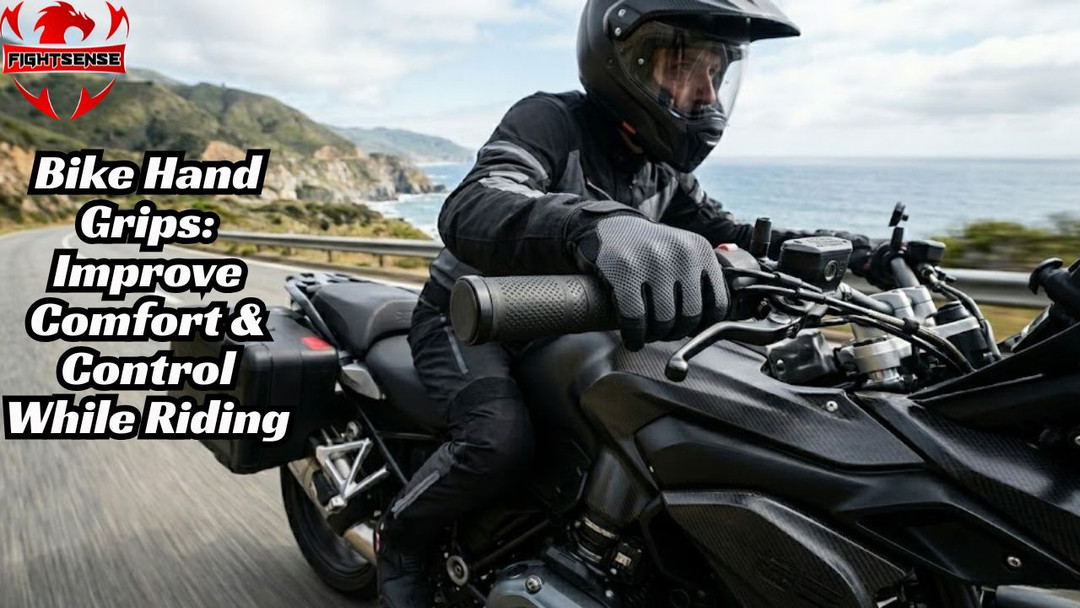
Bike Hand Grips: Improve Comfort & Control While Riding
Bike hand grips play a crucial role in cycling comfort and control, far beyond just your bike frame or tires. One of the most overlooked yet essential components of a bicycle, grips can significantly improve your overall riding experience. Whether you're a casual rider, a commuter, or an off-road enthusiast, the right handlebar grips help enhance stability, reduce fatigue, and provide better control on every ride.
Keynotes:
- Bike grips are essential for improving comfort, control, and overall riding safety.
- High-quality handlebar grips help reduce hand fatigue, numbness, and vibration during long rides.
- The choice of material (rubber, silicone, or foam) directly impacts grip performance and rider comfort.
- Proper size, fit, and texture of grips enhance stability and improve overall bike handling.
What Are Bike Hand Grips?
Bike hand grips are the sections that attach to your handlebars that you hold onto when riding. They are created from materials such as rubber, silicone, foam or gel, with each delivering a varying amount of comfort and durability.
They’re little, but they do a lot for your hands and your control of the bike.
The Significance of Handlebar grips:
Good hand grips are important for comfort and safety. Here’s the reason:
Comfort:
Proper grips minimize hand strain, numbness, and blisters, especially on lengthy rides.
Control:
A tight grip leads to superior handling and braking, even on difficult or wet roads.
Performance:
Riders can keep their attention and efficiency higher due to enhanced stability and less vibration.
Key Benefits of Upgrading Hand Grips:
Upgrading your Cycling grips offers several advantages:
- Reduced Hand Fatigue: Even pressure distribution minimizes stress on your palms.
- Shock Absorption: Materials like silicone and foam help absorb vibrations.
- Improved Grip: Non-slip textures ensure better control in all weather conditions.
- Enhanced Comfort: A well-designed grip supports longer, more enjoyable rides.
Bike Hand Grip Types:
The bike hand grips are not all the same. The right type is whichever fits your riding style:
Ergonomic Handles
Designed to fit the natural contour of your hand, alleviating pressure on wrists and palms. Perfect for long distance bikers. They are particularly useful in minimizing numbness and increasing comfort on longer rides.
Lock-On Handlebar Grips
These grips are fitted with locking rings that will hold them firmly in position. Ideal for mountain biking and tough terrain. They give the most stability and avoid unwanted movement during aggressive riding.
Slip-On Grips
Lightweight and uncomplicated, common for casual or city riders. They are simple to install and a cost-effective choice for everyday cycling.
How to Install Handlebar grips:
Many riders overlook proper installation, which affects performance:
- Remove old grips carefully
- Clean the handlebar surface
- Slide or lock new grips securely in place
- Ensure they don’t rotate or slip
Proper installation ensures safety and better control during rides.
Before vs After: Hand Grip Upgrade:
Before
- Slippery or hard grips
- Hand pain and numbness
- Poor control
After
- Comfortable and cushioned feel
- Better handling and stability
- More enjoyable and longer rides
How to Choose the Right Bike grips?
Selecting the right grips depends on your riding style and personal preference:
Material:
- Rubber: Durable and provides strong traction
- Silicone: Soft, comfortable, and shock-absorbing
- Foam: Lightweight and ideal for short rides
Size & Fit:
Grips should match your hand size for maximum comfort and control.
Texture:
Choose between smooth or patterned textures depending on your grip preference and riding conditions.
Build strength & endurance for improving your riding performance:
Cycling performance is not just about having the appropriate bike setup, but also about improving strength, endurance and grip power through training. A lot of cyclists will include some strength training to their workout routine, to enhance control and reduce tiredness on longer rides.
Fightsense provides an extensive selection of fitness and strength training accessories. These goods are designed to help with improved grip strength, wrist stability and training performance in general which can indirectly help riders increase control and endurance on bikes.
Maintenance Tips for Long-Lasting Grips:
To get the most out of your bike hand grips:
- Clean them regularly to remove dirt and sweat
- Check for wear and tear
- Replace grips when they become smooth or slippery
- Avoid low-quality materials that wear out quickly
Common Mistakes to Avoid:
- Choosing grips based only on design
- Ignoring material quality
- Buying the wrong size
- Not considering riding style
Avoiding these mistakes will help you get the best performance from your Bike grips.
FAQs:
1: Do Grip handles really improve riding comfort?
Yes, good bike hand grips reduce pressure on hands and absorb vibration, making rides more comfortable and less tiring.
2: Which material is best for Hand grips?
Silicone and rubber are the most popular materials because they offer a balance of comfort, durability, and strong grip.
3: How often should bike hand grips be replaced?
It depends on usage, but most riders replace grips every 6 to 12 months or when they lose texture or become slippery.
4: Can wrong handlebar grips cause hand pain?
Yes, poorly fitted or low-quality grips can lead to hand fatigue, numbness, and discomfort during long rides.
5: Do professional cyclists use special hand grips?
Yes, many cyclists use ergonomic or lock-on grips designed for better control, comfort, and stability on rough terrains.