
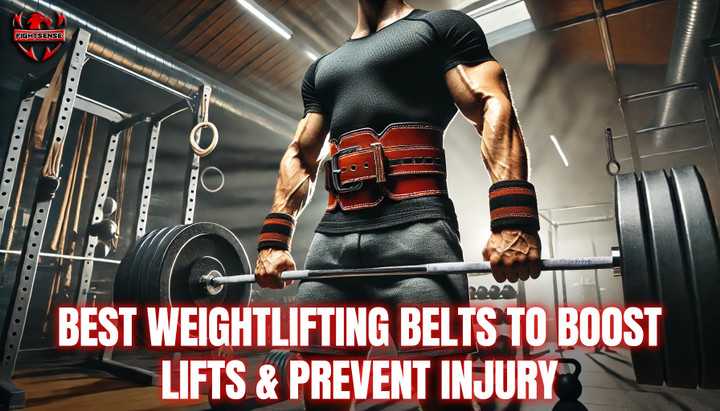
Best Weightlifting Belts to Boost Lifts & Prevent Injury
26th Feb 2025
How to Choose the Best Weightlifting Belt:
When shopping for the best weightlifting belts, several essential factors must be considered to ensure you get the best fit and performance. Here’s what to keep in mind:
Material Quality: Weightlifting belts are made from leather, synthetic leather, or nylon. Leather belts are known for their durability and firm support, while synthetic leather belts are lighter and more flexible. Nylon belts are often chosen for comfort and breathability, though they may not provide as much support as leather.
Width and Thickness: The width of the belt determines how much support it provides across your abdomen and lower back. A wider belt (usually 4-6 inches) offers more support, particularly for heavy lifting. A narrower belt (around 3 inches) may be preferable for Olympic-style lifting due to its flexibility and comfort in dynamic movements.
Buckle or Velcro: A best lifting belt has either a buckle (prong or lever) or a Velcro strap. Buckle belts are typically more secure, offering better tightness and stability for heavy lifting. Velcro belts are easier to adjust but may not provide the same level of tightness, which can be more suitable for lighter lifts or beginners.
Top Features of the Best Weightlifting Belts:
-
Durability: Made from high-quality leather or reinforced synthetics to withstand heavy lifting.
-
Support: Provides core and lower back support, keeping the spine neutral during lifts.
-
Comfort: Snug but comfortable with padding and adjustable closures for full movement.
-
Adjustability: Easy to adjust for a custom fit using buckles or Velcro straps.
Top 5 Weightlifting Belts for Heavy Lifting:
When choosing a weightlifting belt, consider your lifting needs. Here are five top options:
For heavy lifts and powerlifting, the Lever Belt offers a secure fit with an easy-to-use lever mechanism. The Leather Lifting Belt is also durable and provides strong support for powerlifting and heavy lifts.
For comfort and flexibility, the Nylon Lifting Belt is lightweight and breathable, perfect for dynamic exercises, while the Contoured Belt fits the natural curve of your body, offering snug support without restricting movement.
Shop Now !
FAQs:
1. Do I need a weightlifting belt?
A belt provides core support and helps protect your lower back, especially during heavy lifts like squats and deadlifts.
2. What’s the difference between lever and prong belts?
A lever belt uses a locking mechanism for a secure, easy-to-adjust fit, while a prong belt adjusts through holes and a prong, offering a more customizable option.
3. How tight should a weightlifting belt be?
The belt should be tight enough to create pressure on your core without restricting your breathing. It should feel snug but comfortable.
4. Can I use a weightlifting belt for all exercises?
Belts are ideal for heavy lifts, but not necessary for exercises like bicep curls or leg extensions that don’t strain your lower back.
5. How do I break in a new weightlifting belt?
To break in a new leather belt, wear it during lighter lifting sessions. You can also apply leather conditioner to speed up the softening process.
Conclusion:
When it comes to lifting, a best weightlifting belt can enhance your performance while ensuring safety. The key is finding a belt that suits your lifting style, provides the right support, and fits comfortably. Whether you're looking for the best lifting belt for heavy lifting or a versatile option for general workouts, there’s a belt out there for you. Investing in the right belt is crucial for both beginner and advanced lifters. Before making your decision, consider the material, fit, and purpose.
Disclaimer:
Always consult a trainer or doctor before starting weightlifting, especially when using a belt.