
Best Powerlifting Wrist Strap for Support & Comfort
11th Mar 2025
The Powerlifting Wrist Strap is one of the most important gear for professional lifters. Powerlifting is a hard sport that requires the correct gear, strength, and accuracy. These straps let you lift more easily, with less effort, and keep your wrists safe when you work out hard.
Choosing the best wrist straps for powerlifting should be your first concern if you want to lift the most weight and stay safe.
Keynotes:
1. Stabilize wrists and prevent injuries.
2. Improve grip and bar control for heavier lifts.
3. Made of durable, comfortable materials.
4. Adjustable support for different exercises.
5. Suitable for beginners and professional lifters.
What Are Powerlifting Wrist Straps?
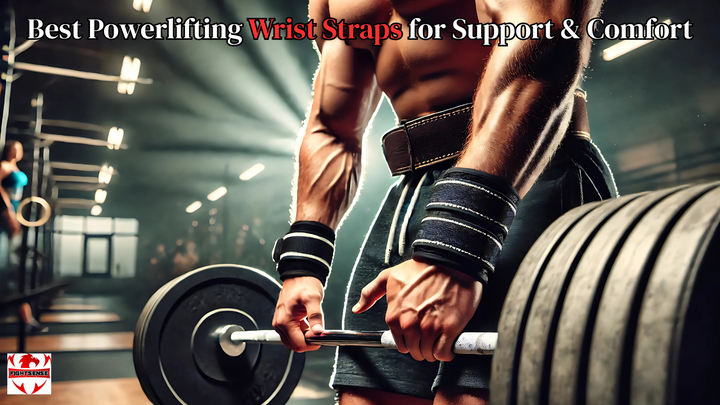
A powerlifting wrist strap covers the wrist and is used for added support during heavy lifting. Usually made of strong, elastic materials like cotton, polyester, or a combination, they incorporate a Velcro or hook-and-loop clasp for a custom fit. These wraps help to stabilise the wrist joint during exercises including the bench press, overhead press and squats when wrist support is very vital.
Wrist wraps serve to stabilise the wrist joint by limiting too much movement in it, therefore relieving ligament and tendon stress. This frees you to focus more on your form and lifting technique than on wrist damage or pain.
Why You Should Use Wrist Straps for Powerlifting:
When you lift large weights without the right support for your wrists, you could hurt one of your most vulnerable joints. Powerlifting wrist straps keep your wrists in the right position, especially during heavy lifts, by giving you the stability and support you need. They protect your wrists from too much stress over time and help keep you from getting common problems including sprains, strains, and tendonitis.
In addition to preventing injuries, wrist bands also help you lift more weight. With more support, you can keep your form correct, have better control of the barbell, and lift more weight each time. With this higher accuracy, you can train more effectively and consistently, which will help you get better results safely.
Benefits of Best Wrist Straps for Powerlifting:
1. Objectivity against change:
Under too hard lifting, your wrist straps buckle under. Maximising your wrist straps calls for absolute durability. Strong, long-lasting materials that resist the demands of heavy lifting without sacrificing their strength or elasticity define the best wraps.
For powerlifting, a good wrist strap will keep its support over time; consequently, it is a good purchase for every serious lifter.
2. Appropriate Fit:
Powerlifting straps are convenient, particularly for longer periods of time. The best wrist straps for powerlifting should give excellent support without aggravating pain.
Look for straps composed of soft inner linings and breathable materials since they will keep your wrists comfy throughout protracted training sessions. The appropriate fit should offer security free from annoyance or constraints.
3. Changing tightness:
Among its better features is the ability of the wrist strap to adjust the tension. Every lifter has specific preferences for wrist support. Some folks desire a closer fit for maximum stability; others need a looser fit for additional flexibility.
The best wrist strap ensures the appropriate degree of support for every lift since they let you modify the fit to satisfy your needs.
4. Enhanced Approved Control:
A solid wrist strap improves barbell control in powerlifting. Your wrists stabilised will assist you to maintain a firm, more secure grip especially during pushing activities. More safely and effectively you can lift with this increased control, therefore reducing any unnecessary wrist position adjustments that can result in form breakdown or injury.
Wrist Strap Length and Thickness:
Not all straps are equal—length and width affect performance:
- Long Straps: Easier to wrap around the bar multiple times for secure grip.
- Short Straps: Quick to put on, better for lighter lifts or fast-paced training.
- Wide Straps: Provide extra wrist support, especially for pressing movements.
- Narrow Straps: Offer more flexibility and less bulk but less support.
Unlock Maximum Strength: Which Grip Style Works Best with Wrist Straps?
Choosing the right grip style can maximize your lifts, reduce fatigue, and protect your wrists when using powerlifting straps. Here are the most effective grips:
1. Overhand Grip (Pronated)
-
- Both palms facing down on the bar.
- Ideal for deadlifts, rows, and shrugs.
- Straps help maintain a secure grip, especially during heavy pulls.
2. Underhand Grip (Supinated)
-
- Palms facing up on the bar.
- Useful for curls, heavy shrugs, or targeting biceps and forearms.
- Reduces slipping and helps maintain wrist alignment.
3. Mixed Grip
-
- One hand overhand, one underhand.
- Balances grip fatigue for very heavy lifts.
- Works well for deadlifts and barbell rows.
4. Hook Grip with Straps
-
- Thumb wraps under the bar, straps support the wrist.
- Excellent for maximum lifts while protecting your grip.
- Minimizes bar slippage and improves pulling efficiency.
The Trick to Wearing Powerlifting Wrist Straps Correctly:
Getting the most out of your wrist straps isn’t just about wrapping them around your wrists—it’s about wrapping them smartly. Start by placing the strap at the base of your wrist, snug but not cutting off circulation. Then, extend it slightly up your forearm to cover the joint, providing extra stability. Secure it with the Velcro so it holds firmly but still allows natural movement.
The trick is finding that perfect balance between support and comfort: tight enough to keep the bar secure, yet flexible enough to lift safely and efficiently. With a little practice, your wrist straps can transform your lifts, giving you stronger grip and reducing wrist fatigue.
Premium Quality Straps for Serious Lifters:
For lifters looking for durability and comfort in one package, Fightsense wrist straps stand out with extra padding and reinforced stitching to handle heavy loads. These straps offer excellent wrist support without compromising mobility, making them ideal for intense deadlifts, rows, and overhead lifts.
The material is soft against the skin, reducing irritation during long sessions, yet tough enough to last through years of heavy lifting. Using Fightsense straps, you get a secure grip, added stability, and confidence to push your limits safely in every workout.
Get Yours Now!
FAQs:
1. Can I lift heavier with wrist straps?
Yes, wrist straps improve grip and confidence, allowing you to lift heavier weights safely.
2. Do straps replace wrist strength?
No, they provide support but don’t replace natural grip and wrist strength. It’s important to train your grip alongside using straps.
3. How tight should straps be?
They should be tight enough to secure the bar, but not so tight that circulation is cut off. Comfort and support should be balanced.
4. Can wrist straps help prevent injuries?
Yes, wrist straps provide extra support and stability, which can reduce the risk of strains or joint injuries during heavy lifts.
5. Are wrist straps suitable for beginners?
Absolutely. Beginners can use wrist straps to learn proper lifting technique and build confidence, while also working on grip strength.
Final Thoughts:
Buying a powerlifting strap can help you lift more weight, avoid injuries, and have better control over your lifts. The right wrist straps may make a big difference in your training. They give your wrists the support they need to lift more weight and get better at what you do.
The wrist strap is a good investment for both experienced powerlifters and those just beginning out. It will help you lift more weight and lower your risk of being hurt.
Note:
Always consult a doctor before using wrist straps. They should complement a proper training and recovery routine for safety and performance.