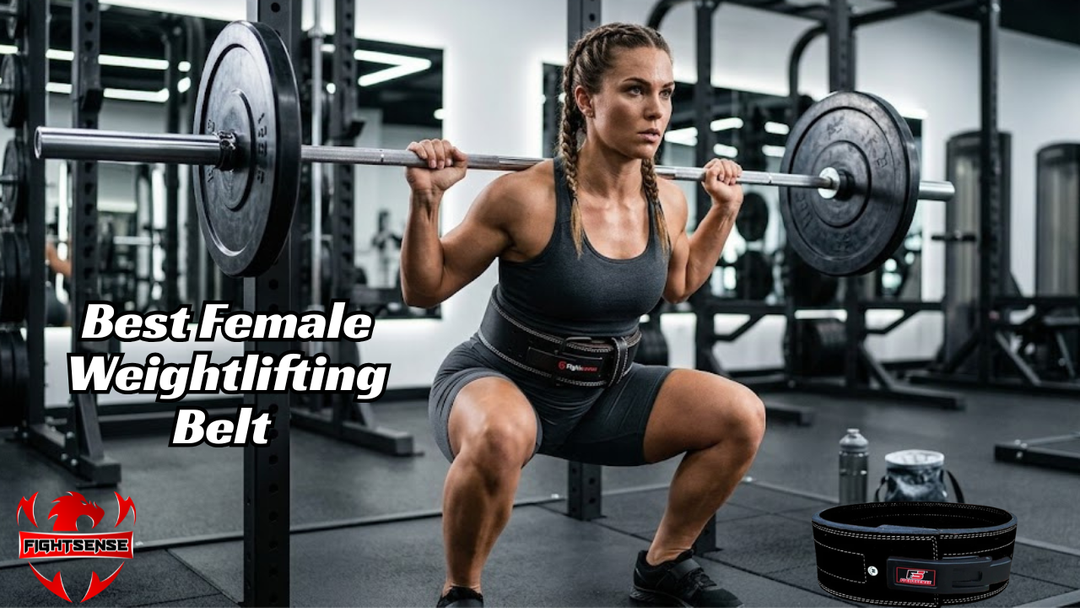
Best Female Weightlifting Belt
If you’re looking for reliable gym support, the Female Weightlifting Belt can completely change the way you train. If you’ve ever walked into a gym and felt unsure about lifting heavier weights safely, you’re not alone. One piece of gear that often gets overlooked—but can genuinely change your training experience—is the Female Weightlifting Belt. It’s not just another gym accessory; it’s a support tool that can improve stability, performance, and confidence when you’re lifting.
Let’s break it down in a simple way.
Key Highlights:
What Is a Female Weightlifting Belt?
A women’s weightlifting belt is meant to stabilize your lower back and core while lifting heavy. It helps you build intra-abdominal pressure, which simply implies your core is more secure when under load.
It doesn’t do the lifting for you (like squats, deadlifts, overhead presses), but it helps your body stay powerful and controlled during the workout.
It’s a support, not a shortcut.
Why It Matters for Women in Training?
There is a misperception that weightlifting belts are only for advanced weightlifters or individuals who lift really big weights. That’s not right.
A female weightlifting belt can really help ladies when worn properly:
Improved core stability
It provides your core something to brace against, which helps you stay tighter and more controlled during lifts.
More powerful performance
A lot of lifters feel they can manage more weight or keep better form while they're under pressure.
Decreased Injury Risk
A steady core lowers the tension on the lower back, especially while doing complex movements.
More Faith
Sometimes the largest barrier in lifting is mental. A belt can provide that extra sense of security while you are pushing your limits
How to Choose the Right Belt?
Not all belts are created equal, and comfort and fit are especially crucial for women. Points to consider:
Correct Fit
It should sit nicely around your lower torso without digging in or slipping.
Materials
Leather belts are good for heavy lifting. Nylon belts are a little more flexible and comfortable for general exercise.
Width & Comfort
Some women choose for somewhat smaller shapes for increased mobility, especially for energetic motions.
Ruggedness
A decent belt should be able to handle years of regular training.
How a Weightlifting Belt Helps Women Lift Better?
A women’s weightlifting belt supports the core and lower back, improving stability and control during big lifts. Used correctly, it increases intra-abdominal pressure, allowing women to maintain better posture and form during workouts such as squats, deadlifts and overhead presses.
This extra support helps to alleviate strain on the spine and lowers the risk of damage. It also builds confidence over time, letting lifters gradually increase weight while remaining safe and in control of their motions.
When Should You Use a Weightlifting Belt?
Not every lifter needs a belt out of the gate. If you are new to this, it is better to focus on acquiring good form, developing fundamental strength and gaining control over your movements.
A female weight lifting belt can be helpful in certain situations:
- When you are constantly lifting heavier weights.
- When your training targets strength progression
- When you’re trying for max lifts or personal records
- Extra lower back support and core assistance
In other words, it’s not a basic need, but a performance gear that allows you to exercise safer and stronger as your weights climb.
Fightsense - Well Made Equipment For Hardcore Gym Work:
Fightsense is a name that is known in the fitness gear sector for practical, durable equipment that is built for real training needs.
Their weightlifting belts are engineered with support, comfort and performance in mind and are a solid choice for women serious about strength training. The brand is not overcomplicating things, but rather focusing on functionality that truly works in the gym.
How to Use It Properly?
Using a weightlifting belt correctly is simple once you get the hang of it:
- Place it around your lower back and abdomen area.
- Tighten it so it’s secure but not restrictive.
- Take a deep breath into your belly before lifting.
- Push your core outward against the belt.
- Maintain that tension during the lift.
At first, it may feel unusual, but it quickly becomes part of your lifting routine.
Common Mistakes to Avoid:
Even a great belt won’t help if used incorrectly. Here are some mistakes to watch out for:
Wearing It Too Tight or Too Loose: It should feel snug, but you should still be able to breathe and brace properly.
Using It for Everything: Overusing a belt can stop your core from developing naturally.
Depending on It Too Early: Beginners should first focus on learning proper form before introducing a belt.
Concluding remarks:
A female weight lifting belt is not designed to make lifting easier, it is designed to make it safer, more controlled and more efficient. Used correctly, it enhances your journey of strength without replacing the effort that your body needs to complete.
Companies like Fightsense are trying to make this equipment more available to women who want solid support when they train.
In the end, the correct belt won’t determine your strength, but it can help you grow strength more confidently and safely
Disclaimer
Before utilizing a female weightlifting belt especially if you have pre-existing injuries always see a fitness specialist. To avoid discomfort or damage, guarantee appropriate fit and use.
FAQs:
1. What does a female weightlifting belt do?
A female weightlifting belt supports the core and lower back during heavy lifts, helping improve stability, posture, and control.
2. Is a lifting belt necessary for women?
No, it is not necessary for beginners. It becomes useful when lifting heavier weights or training for strength progression.
3. How does a weightlifting belt help in the gym?
It increases core pressure, supports the spine, and helps maintain proper form during exercises like squats and deadlifts.
4. At what point should you use a lifting belt?
You should use it during heavy or max-effort lifts, not during warm-ups or light training sessions.
5. Does wearing a belt help you lift heavier?
It does not directly increase strength, but it allows you to lift heavier safely by improving stability and reducing strain.