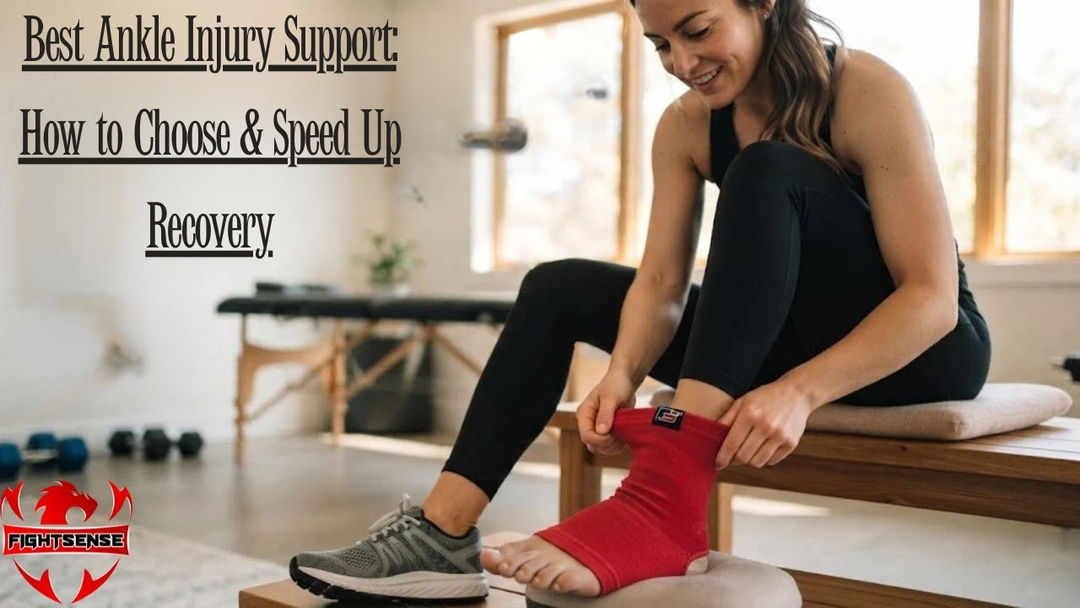
Best Ankle Injury Support: How to Choose & Speed Up Recovery
Ankle injury support is essential when dealing with one of the most common physical issues, especially among active individuals. Whether caused by sports, accidents, or everyday wear and tear, finding the right ankle brace or support solution can significantly speed up the healing process and reduce the risk of further damage.
Choosing the right ankle stabilizer is crucial to provide proper stability, minimize pain, and support effective recovery. In this blog, we’ll guide you through different types of ankle supports, focusing on options that can comfortably be worn with shoes and offer adjustability for a secure and dependable fit.
Why Ankle Injury Support Is Essential for Fast Recovery
When dealing with a sprained or strained ankle, wearing the right ankle injury support is a game-changer for your healing journey. It acts as a reliable shield for your joint, stabilizing weak ligaments and tendons while drastically lowering the chance of re-injury so your body can actually heal. Beyond just keeping things steady, consistent compression works wonders to keep swelling down and boost blood flow, washing away that stubborn throbbing pain. Ultimately, it gives you the confidence and mobility to get back on your feet and safely return to your daily routine without missing a beat.
How to Choose the Right Ankle Support?
Choosing the right ankle support is essential for effective healing and long-term stability. The wrong choice can slow recovery or even worsen the injury, so it’s important to consider a few key factors:
-
Assess the Severity of Your Injury
Mild sprains may only need compression sleeves, while moderate to severe injuries often require structured ankle braces for better stability. -
Ensure Proper Fit and Comfort
A good ankle support should fit snugly without being too tight. Poor fit can restrict circulation or fail to provide adequate support. -
Look for Breathable and Durable Materials
Choose materials that allow airflow to prevent sweating and discomfort, especially if you need to wear the support for extended periods. -
Select the Right Level of Support
Light support is ideal for daily activities, while higher support levels are better for sports or post-injury recovery.
Best Exercises for Ankle Injury Recovery and Rehabilitation:
Proper rehabilitation is essential for a full and lasting recovery. Incorporating the right exercises along with ankle support helps restore strength, flexibility, and stability while reducing the risk of future injuries.
1. Range of Motion Exercises:
These exercises help reduce stiffness and improve flexibility in the ankle joint. Gentle movements like ankle circles or pointing and flexing your foot can gradually restore mobility without putting too much strain on the injury.
2. Strengthening Exercises:
Building strength around the ankle is crucial for long-term support. Exercises such as resistance band workouts or controlled heel raises help strengthen the muscles and protect the joint from further injury.
3. Balance and Stability Training:
Balance exercises improve coordination and prevent re-injury. Simple activities like standing on one foot or using a balance board can enhance ankle stability and overall control.
Effective Tips to Speed Up Ankle Injury Recovery:
Recovering from an ankle injury requires more than just rest. Combining proper care with the right ankle support can significantly improve healing time and prevent complications. Follow these essential tips to recover faster and safely:
-
Get Adequate Rest:
Allow your ankle enough time to heal by avoiding unnecessary movement and pressure, especially in the early stages of injury. -
Maintain a Nutrient-Rich Diet:
Eat foods rich in protein, vitamins, and minerals to support tissue repair and strengthen ligaments. -
Stay Properly Hydrated:
Drinking enough water helps improve circulation and supports the body’s natural healing process. -
Avoid High-Impact Activities:
Refrain from running, jumping, or intense physical activity until your ankle has fully recovered to prevent re-injury.
Benefits of Using Ankle Injury Support:
- Pain Relief: Ankle supports reduce discomfort by stabilizing the joint and preventing unnecessary movement.
- Swelling Control: Compression from ankle supports aids in reducing swelling and encourages better blood flow.
- Prevention of Further Injury: Wearing the best ankle support reduces the chances of further damage by keeping the ankle stabilized.
- Increased Mobility: Proper ankle support helps restore normal movement, making it easier to get back to daily activities.
The RICE Protocol: Immediate Steps After an Ankle Injury
Knowing what to do in the first 48 to 72 hours after a twist or sprain can drastically cut down your healing time. Following the proven RICE method gives your body the best head start before you even strap into your support brace. Immediately start by giving the joint complete rest to stop any further movement or tearing of the ligaments.
Next, apply a cold pack for 15 to 20 minutes every few hours to numb sharp pain and constrict blood vessels, which effectively halts heavy swelling. After that, use gentle compression to manage fluid buildup around the area, and finally, prop your foot up on pillows so that it rests comfortably above the level of your heart, letting gravity naturally drain excess fluid away from the injury.
Conclusion:
Finding the right ankle injury support is essential for anyone recovering from a sprained joint or looking to prevent future setbacks. Whether choosing a lightweight sleeve to wear discreetly inside everyday shoes or an adjustable wrap for customizable compression, these supports deliver an ideal blend of comfort, stability, and flexibility.
Selecting the option that best matches your daily lifestyle and recovery needs ensures a safer, more confident return to physical activities. Trusted gear options like FightSense adjustable ankle supports provide reliable stability, offering the perfect balance of protection and freedom of movement for active individuals.
FAQs:
Should support still be used if the pain has completely vanished?
Wearing gear during high-impact workouts provides preventive stability until the surrounding muscles fully regain their natural strength.
Do ankle supports fit inside regular everyday shoes?
Most low-profile supports are designed to slip comfortably inside athletic sneakers and casual footwear without feeling overly bulky.
Is it safe to exercise or play sports with a brace on?
Wearing reliable gear during physical activity adds an extra layer of structural confidence and helps protect healing ligaments from sudden twists.
How long do ankle supports typically last before replacement?
With regular use and proper hand washing, high-quality supports generally maintain their elasticity and effectiveness for six to twelve months.
How is the correct level of support determined for a specific condition?
Minor soreness and stiffness usually require light compression sleeves, whereas chronic instability or recovering sprains benefit from structured braces with adjustable straps.
Discalimer:
This blog is intended for informational purposes only. Always consult with a healthcare professional before using any type of ankle support for injury recovery or prevention.