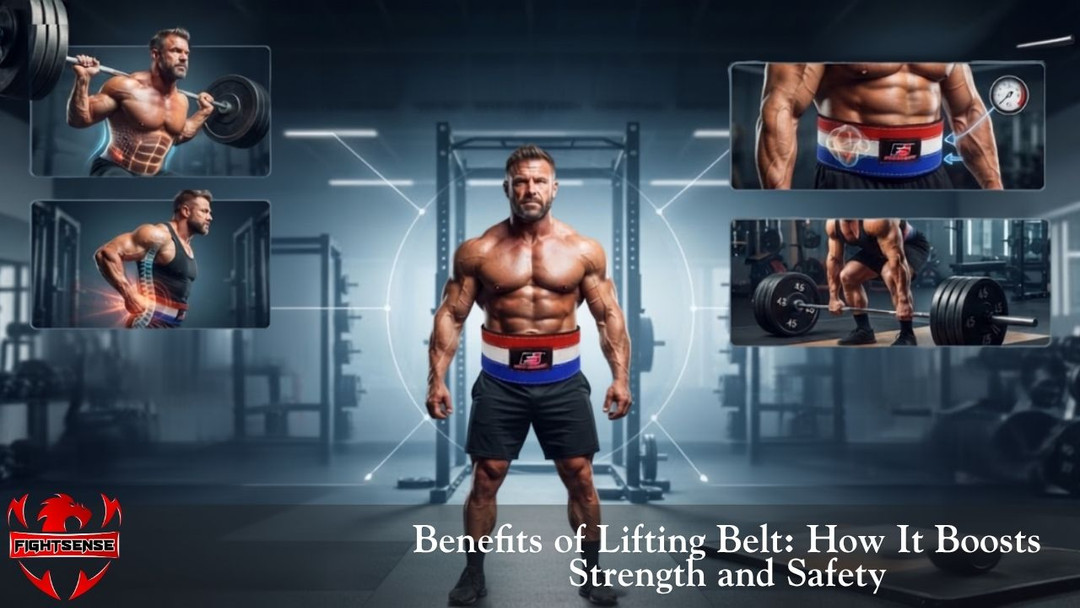
What Is a Lifting Belt?
A lifting belt is a fitness tool that provides core and lower back support during heavy strength training.
A weightlifting belt is not like a normal belt. It is made from harder material and is broader so that it can withstand the pressure put on it during hard workouts.
Most belts are constructed from:
- Leather
- Nylon
- Heavy-duty synthetics
They are often utilized during activities such as:
- Squat
- Deadlift
- heavy lines
- Shoulder press
The major reason a lifter uses a lifting belt is to help them build stronger core support and retain good body control when lifting heavier weights.
A belt does not substitute for strong muscles or proper technique. Instead, it serves as an extra tool to help your natural lifting power.
Top Benefits of Lifting Belt for Strength Training
1. Enhances Core Stability
The main Benefits of Lifting Belt is better core stability during heavy motions.
Your core muscles stabilize your body and protect your spine as you lift. Your abs and lower back work together to provide you a sturdy base when you’re doing tough activities.
A lifting belt assists you in bracing your core more efficiently since it gives your body something to press against. This can assist you in staying in a better position on the heavy lifts.”
For example, during a heavy squat, stronger core stability can help you maintain better posture and regulate the exercise.
2. Supports the lower back
You need good alignment and control while you are lifting heavy weights. Your lower back may take extra stress when your technique begins to go awry.
A lifting belt offers support around the abdomen to help many lifters feel more solid when performing hard workouts.
However, it is crucial to note that a belt should work with solid technique, not substitute for it.
Safe lifting begins with:
- Correct form
- Measured footsteps
- Weight Progression
3. Aids in Improving Lifting Performance
Another great benefit of a lifting belt is that it will boost your confidence during heavy training sessions.
When lifters feel more supported, they tend to tackle heavy sets with more attention. This can help them do difficult workouts with more control.
Another benefit of Lifting Belt that helps to develop confidence and better stability, experienced strength athletes say.
If you’re consistently performing heavy compound exercises, a decent belt might become a useful part of your training.
4. Promotes Better Bracing Technique
A lifting belt can help teach lifters the importance of appropriate bracing.
They must engage their core and create pressure in their stomach before they go to lift a large weight. A belt gives input to let them know this position.
For example, during deadlifting, the lifter can use the belt as a cue to brace appropriately prior to lifting the weight.
The belt doesn’t make you strong; it’s there to back up the technique you’ve built through practice.
5. Builds Confidence in Heavy Sets
Strength training is mental as well as physical.
Confidence matters a lot when you’re lifting something heavy. Many athletes feel more prepared when they have good support around their core.
A lifting belt can create a sense of stability that allows lifters to concentrate on the quality of movement, rather than fear of losing position.
How a Lifting Belt Improved My Training
As my squat and deadlift weights started becoming larger, I observed that my core would feel unstable before my muscles would reach their limit. Once I improved my technique and incorporated a Fightsense lifting belt into my heavy training, I felt more supported and in charge of each lift. The belt allowed me to brace my core better and maintain a firmer posture during the action.
This added stability provided me with more confidence as I lifted heavier weights over time. The belt itself didn’t make me stronger, but it allowed me to focus on my form and do harder sets with more control. As I learned to practice steadily and develop good technique, it became a valuable part of my strength-training routine.
Who Should Use a Lifting Belt?
Not every member of the gym needs a lifting belt. It depends on your training background and your goals how useful it is.
It is useful for:
Weightlifters
Powerlifters utilize belts a lot since they train in maximum strength actions like squats and deadlifts.
Lifters who have experience
Those who routinely train with greater weights might get some added stability and support.
Strength Sports Athletes
Those athletes who desire to improve strength performance may want to include lifting belts as part of their training equipment.
Beginners should focus on:
- Learning perfect technique
- Developing Natural Strength
- Behavior Patterns
Understanding the benefits of a lifting belt will help lifters decide when this equipment is appropriate for their regimen.
Comparing Belted and Beltless Training
|
Training Area
|
Without a Belt
|
With a Belt
|
|
Core Support
|
Relies on natural bracing
|
Adds extra support during heavy lifts
|
|
Stability
|
Requires more control
|
Helps maintain stability
|
|
Confidence
|
Depends on experience
|
Can improve confidence under heavy loads
|
|
Best For
|
Beginners and general training
|
Heavy lifting and strength-focused training
|
A lifting belt supports your lifts but does not replace proper technique or core strength.
How to Select the Correct Lifting Belt?
Choosing a belt is vital, since your workout experience directly depends on comfort and quality.
Quality of Materials: A decent lifting belt should be able to take pressure and still be comfortable. Leather and hard synthetics are popular.
Proper Fit: It should feel tight but not so tight that it restricts your breathing or mobility.
Durability: The belt features solid stitching and sturdy construction for durability during training.
Comforting: A comfy belt helps you utilize it consistently in workouts.
Do Lifting Belts Prevent Injuries?
A lifting belt is supportive, but shouldn’t be seen as an absolute injury prevention device.
Safe training methods:
- Good warm-up
- Correct method.
- Slow weight gains
- Listen to your own body.
A belt is a nice addition, but good training routines are always the most vital things.
Why Fightsense Is a Trusted Choice for Athletes
When it comes to fitness gear, reliability and comfort are key. Your lifting belt should be a help to you in your training, not a distraction from your goals.
Fightsense is a fitness equipment company for athletes, gym goers, and anyone who wants to improve their training experience.
Having the correct equipment will keep you consistent and make your workouts more comfortable. You may be working on strength, boosting performance, or getting ready for a hard training session, but choosing reliable gear can help support your success.
Common Mistakes When Using a Lifting Belt
Even good equipment can be ineffective if used improperly.
- Tightly Worn: There should be a belt to support your body, not to make it hard to breathe.
- Use it with every workout: Your core still has to be grown naturally. Don’t expect a belt to do all the work.
- Technique Neglect: Belts don’t correct bad form. Firstly, proper lift practices.
- Wrong position: Position the belt such that it supports your core but does not stop your movement.