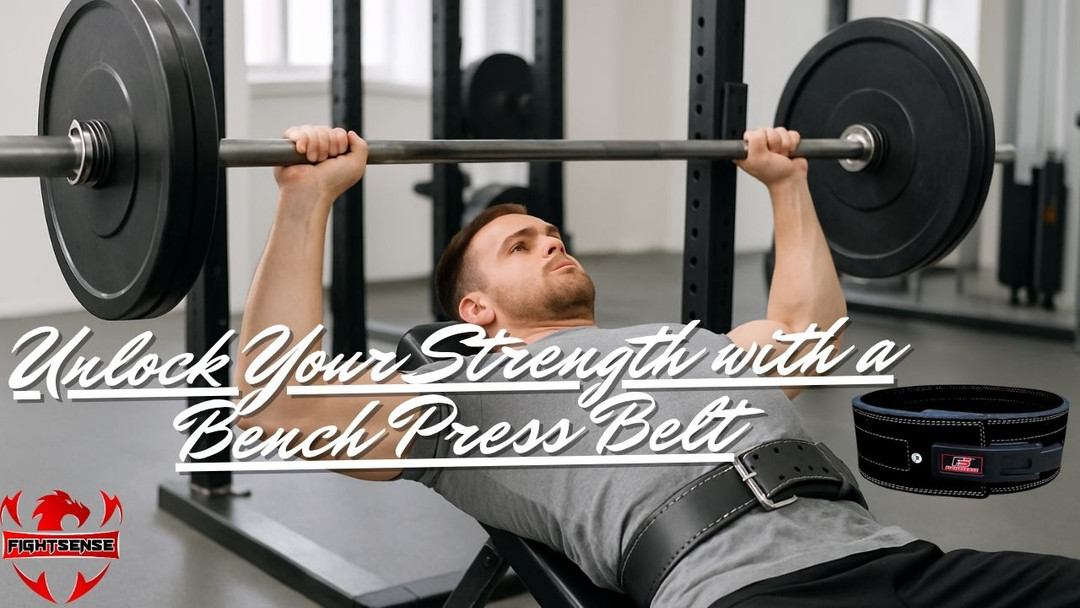
Bench Press Belt: Unlock Your Strength and Master Proper Lifting Form
The bench press belt is more than just another gym accessory. If bench pressing is important to you, you’ve likely wondered—does it actually make a difference? The answer is yes. This simple yet powerful tool can enhance your performance, provide extra stability, and support your core with every lift, helping you push heavier weights safely and effectively. With the right belt, every rep becomes more controlled, confident, and powerful.
Key Highlights:
-
Provides core and back stability, so you can lift with confidence.
-
Enables you to safely push for heavier weights.
-
Helps maintain proper back alignment, reducing the risk of strain.
-
Ideal for heavy lifts, long sets, or when your core needs extra support.
-
Simple to use: wear it snug, take a deep breath, and focus on perfect form.
What is a Bench Press Belt and Why You Need One:
A bench press belt is a supportive tool designed to stabilize your core and lower back while lifting heavy weights. By keeping your posture aligned and your muscles engaged, it reduces the risk of injury and allows you to lift with more confidence and control. Whether you’re a beginner just starting to push your limits or an experienced lifter aiming for personal records, a Core Power Belt can make a significant difference in your performance.
Additional Benefits:
-
Enhances core activation, helping you generate more power in each lift.
-
Supports proper breathing and bracing techniques for safer lifts.
-
Ideal for heavy bench presses, squats, or any compound movements requiring extra stability.
-
Lightweight and adjustable for a snug, comfortable fit that doesn’t restrict movement.
Does a Belt Help with Bench Press?
"Does a belt actually help with bench pressing?" you might be wondering. The quick response is yes, a bench press with belt will significantly increase performance. Here's the process:
-
It offers necessary basic support, which facilitates maintaining correct posture during the raise.
-
The belt helps avoid your back from rounding or folding during hard pushes and maintains your torso steady.
-
Reducing the tension on your lower back helps you to minimize your risk of injury while carrying large weights.
-
Basically, you should lift more safely and with better technique rather than more since you are wearing the belt.
When Should You Use a Bench Press Belt?
When exactly should you grab for your bench press belt? This is when it most helpful:
Heavy Lifting: Lifting heavy objects The belt provides extra stability whether you're doing your max bench press or aiming for bigger weights.
Long Sets: If you are doing a lot of sets or high volume, the belt can assist you keep good form and lessen tiredness.
Core Engagement Issues: If you find it difficult to engage your core during your lifts, the belt helps maintain body stability so your muscles may activate as intended.
How to Use a Bench Press Belt Effectively:
While using a bench press belt is not difficult, to be most successful you must get the fit and technique perfect for it. Here's the process:
-
Positioning: Just above your hips, place the belt snug enough to support but not too tight to limit breathing.
-
Core Engagement: Before lifting, inhale deeply and stretch your belly against the belt. This tones your spine and helps produce intra-abdominal pressure.
-
Form and Focus: Keep your core firm all during the lift and ensure your posture is strong. The belt lets you concentrate more on lifting than on form.
Benefits of Using a Bench Press Belt
| Benefit of Using a Bench Press Belt | Description |
|---|---|
| Core Stability | Activates and stabilizes your core, preserving proper form and helping you lift heavier. |
| Posture Support | Helps prevent your lower back from rounding off, ensuring proper alignment throughout the press. |
| Reduced Lower Back Strain | Reduces strain on your lower back, making it easier to lift heavy weights without injury risk. |
| Injury Prevention | Aligns your spine and core, lowering the risk of injury during heavy lifts. |
| Enhanced Performance | Increases stability, allowing you to focus on lifting more and pushing yourself further. |
| Reduced Fatigue | Lessens lower back fatigue during extended or intense bench press sessions. |
| Posture Guidance | Ensures that your body stays in the right posture, helping you maintain alignment throughout lifts. |
| Core Activation Assistance | Provides extra stability to engage your core muscles properly if core activation is challenging. |
Shop Now !
FAQs:
1. What is a Powerlifting Support Belt?
A Powerlifting Support Belt is a supportive tool that wraps around your waist, providing stability to your core and lower back during heavy lifts.
2. Does a belt help with bench press?
Yes, a Gym Lifter Belt helps stabilize your core and improve your posture, reducing the risk of injury during heavy lifting.
3. When should I use a Muscle Power Belt?
It’s most beneficial during heavy lifts, long sessions, or if you struggle with core engagement during your bench press.
4. Can I bench press without a belt?
Yes, for lighter sets or warm-ups, you don’t need the belt. Use it for heavy lifts or when you need extra support.
5. How tight should my Fitness Strength Beltbe?
The belt should be tight enough to support your core but not so tight that it restricts breathing or movement. Aim for a snug fit that allows you to brace your core effectively.
Conclusion:
A bench press belt is a must-have instrument in your lifting equipment if you wish to raise your bench press to the next level securely. It lowers your chance of damage, supports your lower back and core, and helps you keep proper form. Using the belt during long sessions or large lifts will help you to safely push your boundaries and increase weight with assurance.
Disclaimer:
This blog is only for informative reasons. Before adding additional equipment to your exercise, always see a fitness professional, especially if you are new to lifting or unfamiliar with correct form.