
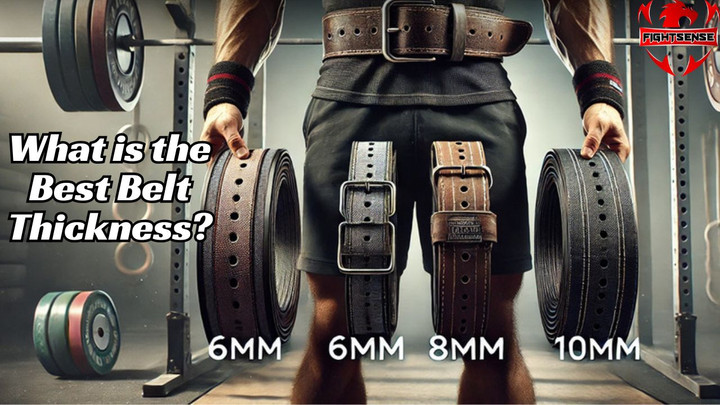
What is the Best Belt Thickness?
7th Mar 2025
Belt thickness plays a crucial role in both style and function. Whether you’re choosing a sleek waist belt for a dress or a bold, thick belt to make a statement, the right thickness can enhance your outfit while providing proper support.
This guide explores the importance of belt, how it affects your overall look, and practical tips to select the perfect belt for your style and needs.
Key Highlights:
-
Thick belts enhance both style and functionality.
-
A classic black waist belt is timeless and versatile.
-
Thick chain belts add a modern, fashionable touch.
-
For comfort, choose the right belt material and buckle type.
-
Women’s gym belts typically range from 4mm to 13mm, depending on usage and support needs.
What is the Best Belt Thickness? A Complete Guide:
Belt thickness plays a key role in comfort, durability, and style. Thin belts are lightweight and flexible, ideal for formal wear, while thicker belts are more durable and supportive, perfect for everyday use or heavy-duty activities.
In this guide, we’ll cover common belt, their uses, and how to choose the right one. You’ll learn the differences between 2mm, 3mm, 4mm, and 5mm belts, helping you pick the perfect belt for your needs.
Why Belt Width Matters:
Belt width affects durability, comfort, style, and support. Thicker belts last longer and handle heavy use, while leather belts are lighter and more comfortable for everyday or formal wear.
Style also depends on belt width—thin belts suit formal outfits, whereas thicker belts make a bold statement with casual or layered looks. In activities like martial arts or weightlifting, the right width provides better support and reduces the risk of strain.
Popular Thick Belts and Their Uses:
1. Fashion Waist Belts:
This includes dress's thick waist belts, black waist belts, and women's thick belts. Broad waist belts accentuate dresses, highlight body shapes, and add flair to outfits. Black belts provide a classic, timeless touch, while leather, elastic, and embellished options bring structure and style to everyday wear.
2. Thick Chain Belts:
Thick chain belts are perfect for a modern, sleek look. They work well over blazers, high-waisted pants, or dresses, giving a distinctive metallic edge and making your outfit stand out.
3. Gym, Powerlifting, and Weightlifting Belts:
Essential for weightlifting and powerlifting, these belts are usually 10mm to 13mm thick—much thicker than fashion belts. Women’s gym belts may have slightly different proportions to better fit their body type, providing optimal support during heavy lifts.
Best Belt Thickness for Different Uses:
| Use | Best Thickness | Notes |
|---|---|---|
| Formal | 2–3mm | Slim, lightweight, stylish |
| Casual | 3–4mm | Standard durability |
| Work/Heavy Duty | 4–5mm | Long lasting, strong |
| Martial Arts | 4–5mm | Supports proper knot and stance |
How to Measure Belt Width:
Measuring belt width ensures the right balance of comfort, support, and durability. The most accurate tools are a caliper or a ruler for quick checks.Place the belt on a flat surface and measure at multiple points along its length—near the buckle, middle, and tip—to account for variations in material. Focus on the thickest part, as this determines support and functionality.
Accurate measurements matter because even small differences can affect how the belt feels and performs. A belt that’s too narrow may lack support, while one that’s too wide can feel bulky. Measuring carefully helps you select a belt that fits comfortably and meets your daily or activity-specific needs.
How Belt Width Affects Durability and Comfort:
-
Wider belts resist stretching – ideal for heavy use or long-term wear.
-
Narrower belts bend easily – more comfortable for casual or formal outfits but may wear faster.
-
Leather type matters – full-grain leather lasts longer; lower-quality leather may crack.
-
Stitching quality – strong stitching prevents fraying and extends belt lifespan.
-
Choosing the right width with quality materials ensures a belt that is both durable and comfortable.
Choosing the Right Belt Width for You:
Selecting the ideal belt width depends on several factors:
-
Body type – Wider belts suit larger frames, providing better support and proportion, while narrower belts complement slimmer builds.
-
Belt loops and pants type – Check the loops on your trousers. Skinny or tailored pants pair well with narrow belts, whereas jeans and cargo pants work better with wider belts.
-
Daily vs occasional use – For everyday wear, choose a width that balances comfort and durability. For occasional or formal use, a belt thickness may be more appropriate.
-
Style vs functionality – Decide whether your priority is appearance or performance. Fashion belts can be thinner and decorative, while work, gym, or heavy-duty belts require wider construction for support.
Fightsense Belts – Quality You Can Trust:
When it comes to high-quality belts, Fightsense offers durable options designed for both everyday wear and specialized activities. Their belts are crafted from premium materials with reinforced stitching, ensuring long-lasting durability and reliable support.
Whether you need a sleek belt for casual outfits, a robust belt for work, or a supportive gym or martial arts belt, this range provides a variety of widths and styles to suit your needs. Choosing a Fightsense belt guarantees a product that combines comfort, functionality, and style, making it easier to select the right belt width for your lifestyle and activities
Shop Now !
Conclusion:
Both utility and fashion depend much on belt thickness. Choosing the correct belt will improve your clothing, whether your preferred style calls for a waist belt thick for rigidity or a thick chain belt for a fashionable touch.
On the other hand, during weightlifting, performance and safety depend on gym belts. To make the best decision, consider the material, buckle type, and general look.
Note:
This page is for informational purposes only; choose belts based on style, comfort, and follow professional guidance for gym belts.
FAQs:
1. How do I choose the right belt width for my body type?
Selecting a belt width depends on your frame and outfit style. Wider belts suit larger builds, while narrower belts complement slimmer figures for a balanced look.
2. Can a belt that is too wide affect comfort?
Yes, belts that are overly wide can feel bulky and restrict movement. It’s important to pick a width that balances support with comfort for your daily activities.
3. What belt measurement works best for casual versus formal wear?
For casual outfits, medium to wider belts provide durability and style, while slim belts are ideal for formal attire, offering a sleek and polished appearance.
4. Do sports or gym belts require a specific width?
Athletic belts, including gym and martial arts belts, typically need a wider design to provide extra support and maintain proper posture during physical activities.
5. How does belt material affect performance and longevity?
Leather quality, stitching, and material thickness all impact how well a belt performs and how long it lasts.