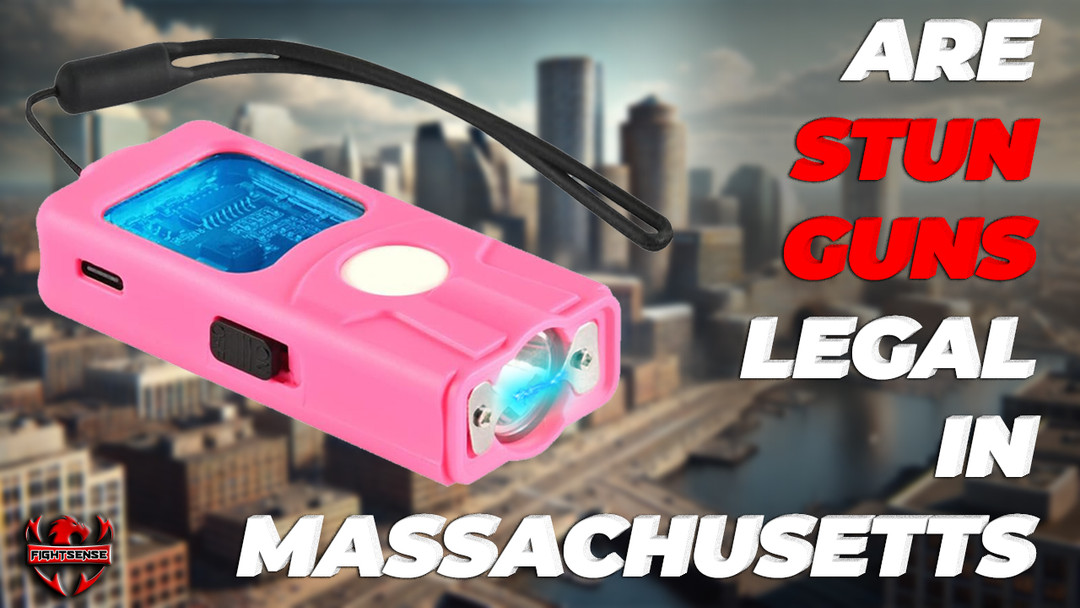
Are Stun Guns Legal in Massachusetts? A Legal Perspective
Are Stun Guns Legal in Massachusetts — Stun guns are a common choice for personal safety, but their legality differs from state to state. For anyone living in or visiting Massachusetts, understanding whether stun guns are legal in Massachusetts is important. It’s also helpful to know why these laws exist, how they’re enforced, and the ethical concerns behind them. Massachusetts stun gun regulations aim to balance personal self-defense with public safety.
Key Highlights:
-
Stun guns are legal in Massachusetts with strict rules on possession and use.
-
They can be used for self-defense with reasonable and proportional force.
-
Laws aim to balance personal safety and public protection.
-
Owners must follow state regulations to avoid legal trouble.
-
Knowing the laws helps you use a stun gun safely and responsibly.
What Are Stun Guns? Understanding the Massachusetts Stun Gun Laws:
A stun gun is a self-defense device that delivers a high-voltage, low-current shock to temporarily disable an attacker. While non-lethal, stun guns can be effective for personal protection. However, like other self-defense tools, they are regulated by law in many states, including Massachusetts.
In this context, understanding are stun guns legal in Massachusetts becomes important, as the state’s regulations focus on public safety, responsible use, and reasonable self-defense. While stun guns are allowed, they remain subject to specific legal guidelines designed to ensure safe and lawful possession.
The Legal Definition of a Stun Gun in Massachusetts:
Before diving into the nuances of Massachusetts' legal stance, defining a stun gun under the law is essential. Massachusetts law classifies stun guns under the broader category of "electroshock weapons," which includes any device designed to deliver an electrical charge to incapacitate or stun a person temporarily.
Unlike traditional firearms, stun guns are not lethal weapons, but their potential for harm — even though minimal — has led to legislation that governs their use and distribution. The Massachusetts stun gun laws regulate where and how these devices can be carried and how they can be used in self-defense scenarios.
Age Restrictions and Ownership Laws:
One of the primary legal considerations in Massachusetts is the age restriction for owning a stun gun. You must be at least 18 to possess a stun gun in Massachusetts. This restriction is common across many states and is designed to ensure that only responsible adults are in control of self-defense tools.
The reasoning behind this age requirement stems from the potential for misuse — younger individuals may not have the full capacity to make sound decisions when using force in self-defense situations.
Additionally, the law stipulates that you must not have any felony convictions to own or purchase a stun gun legally. This ties into the state's broader criminal justice policies, which aim to reduce the risk of violence in the community by limiting access to self-defense weapons among individuals who may pose a higher risk of misusing them.
Where Are Stun Guns Legal to Carry in Massachusetts?
-
Stun guns are legal in Massachusetts but restricted in certain public areas.
-
They cannot be carried in schools, government buildings, or other locations where weapons are prohibited.
-
Restrictions exist because, while non-lethal, stun guns can still cause harm if misused.
-
These laws reflect Massachusetts’ focus on public safety, especially in areas with high foot traffic or vulnerable populations.
-
The goal is to minimize the risk of escalating violence in sensitive locations, such as schools.
Legal Use of Stun Guns:
Another critical aspect of Massachusetts stun gun laws revolves around the reasonable use of force. Massachusetts, like many states, follows the principle of reasonable self-defense. This means that while you are legally allowed to carry a stun gun for personal protection weapons , its use must be proportionate to the threat faced.
In other words, you cannot legally use a stun gun to escalate a confrontation or use it in retaliation. The law only allows for the use of a stun gun when you are in imminent danger of harm. Using a stun gun to defend yourself in situations where there’s no immediate threat could lead to criminal charges.
This legal principle reinforces the broader societal belief that while personal safety is essential, the public must be protected from undue harm or excessive force. Massachusetts law aims to balance empowering individuals to protect themselves while maintaining public safety.
Massachusetts vs. Other States: A Comparative Legal Analysis:
What makes Massachusetts stun gun laws particularly intriguing is their contrast with statutes in other states. Many states are more lenient in their regulations surrounding stun guns, while Massachusetts takes a more measured approach. For example, some states have virtually no rules on stun gun use, allowing them to be carried in public spaces without restriction.
In Massachusetts, however, the heavy emphasis on safe storage, restricted access (such as not allowing stun guns in schools), and proportional use of force shows the state's commitment to maintaining a stricter approach to public safety.
Shop Now!
FAQS:
1. Can I carry a stun gun openly in Massachusetts?
No, stun guns must be carried according to state rules and are prohibited in places like schools and government buildings.
2. What are the penalties for unlawful use?
Using a stun gun unlawfully can lead to criminal charges such as assault or battery.
3. Can a minor own a stun gun?
No, only individuals 18 or older may legally possess a stun gun.
4. Are stun guns banned in Massachusetts?
No, they are legal but strictly regulated. Violating laws can lead to penalties.
5. Is self-defense use legal?
Yes, if the force is reasonable and proportional. Excessive use can result in criminal charges.
Conclusion:
The question of whether stun guns are legal in Massachusetts is simple: Yes, they are, but strict regulations apply. These laws are designed to balance personal protection with public safety by controlling how and where stun guns can be used.If you plan to own or carry a stun gun in Massachusetts, make sure you understand and follow the state’s guidelines. Self-defense is your right—but using any device responsibly and lawfully is essential.
Disclaimer:
This content is for informational purposes only and does not constitute legal advice; always consult official Massachusetts laws or a legal professional.