
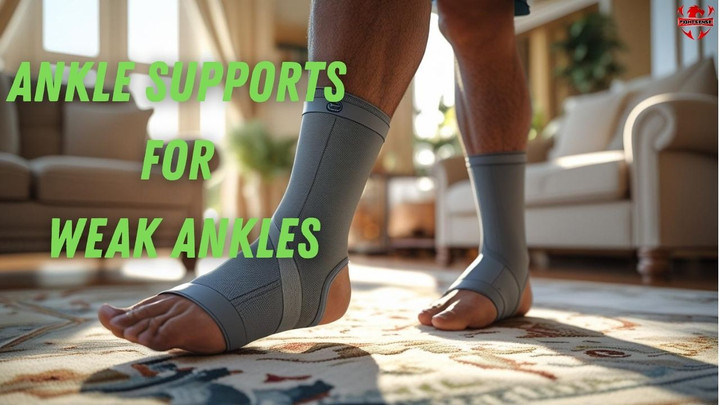
Ankle Supports for Weak Ankles: Best Solution for Stability
15th Jul 2025
Ankle Supports for Weak Ankles are essential for preventing injuries and providing much-needed stability. Designed to reduce discomfort and promote long-term joint health, these supports help individuals with weak or unstable ankles stay active and confident.
Whether you’re recovering from an injury or managing chronic ankle instability, choosing the right ankle support can make a significant difference in your comfort, mobility, and overall performance. In this blog, we’ll explore how ankle supports work and guide you in selecting the perfect option for your specific needs.
Key Highlights:
- Ankle supports for weak ankles provide necessary stability and comfort.
- The right ankle support for sprain helps with faster healing and pain relief.
- Compression or rigid braces help prevent re-injury and promote joint health.
- Choose a support that fits comfortably and suits your specific needs.
- Fightsense offers high-quality ankle supports for optimal protection and healing.
What Are Ankle Supports for Weak Ankles?
Ankle supports for weak ankles are advanced orthopedic devices designed to provide enhanced stability and prevent the ankle from rolling or twisting during movement. These supports are particularly beneficial for individuals with chronic ankle instability, athletes recovering from injury, or those susceptible to frequent ankle sprains.
A high-quality ankle support not only alleviates pain and discomfort but also promotes normal movement, aids in the healing process, and safeguards the joint from further strain.
Essential Advantages of Using Ankle Support:
- Enhanced Joint Stabilization: Ankle supports reinforce the joint, preventing excessive movement that could lead to further injury.
- Effective Pain Management: Compression features alleviate discomfort caused by swelling and inflammation.
- Injury Mitigation: The support limits unnecessary motion, reducing the risk of re-injury during physical activity.
- Facilitated Mobility: Supports enable a normal range of motion while ensuring the joint remains properly protected.
- Expedited Recovery: Continuous support aids in faster healing by stabilizing the joint and minimizing strain on muscles and ligaments.
- Maximum Comfort: Modern designs are lightweight, breathable, and adjustable, ensuring prolonged wearability without discomfort.
- Prevention of Overexertion: Provides additional reinforcement to prevent strain during high-impact movements or sports.
Why You Need the Right Ankle Support for Sprain?
When recovering from an ankle sprain, selecting the appropriate ankle support is crucial for the healing process. The proper fitting ankle support offers the necessary stability to prevent any unnecessary movement that may exacerbate the injury.
Whether you're seeking a compression option or a more rigid brace, choosing the right level of support can significantly accelerate recovery.
- Provides essential stabilization to prevent aggravating the injury.
- Reduces swelling and inflammation, aiding in faster recovery.
- Offers sufficient flexibility, allowing for basic movement without risking further damage.
- Prevents overexertion of the injured area, reducing the chance of re-injury.
- Promotes better blood circulation, which helps in healing the tissues faster.
Choosing the Ideal Ankle Support for Your Needs
Understanding Support Types and Stability Levels:
Start by choosing the support type that matches your needs. Compression sleeves provide light support for mild discomfort, while braces offer stronger stability for weak or injured ankles. Soft supports help with mild instability, whereas rigid braces deliver firm protection for severe weakness or post-injury recovery.
Prioritizing Fit, Comfort, and Material Quality:
An ankle support should fit snugly without restricting circulation or causing irritation. Look for breathable, moisture-wicking materials that keep your skin dry and comfortable, especially during long wear.
Evaluating Brand Reliability and Recovery Benefits:
Choose reliable brands like Fightsense for durable and comfortable ankle supports. The right support reduces swelling, eases pain, and boosts blood circulation, helping the ankle heal faster and stay protected.
My Experience with Ankle Supports:
When I first struggled with weak ankles, everyday activities and workouts became a challenge. After trying different supports, I realized how much the right ankle brace could make a difference. It not only stabilized my ankle but also reduced swelling and discomfort, letting me stay active without fear of injury. Choosing a reliable brand like Fightsense made the experience even better, offering both comfort and durability throughout the day.
FAQs:
1. Which ankle support is best for weak ankles?
Rigid braces provide the most stability.
2. Can I wear ankle supports all day?
Yes, if they are comfortable and breathable.
3. Do ankle supports reduce swelling?
Yes, they improve circulation and reduce swelling.
4. Soft vs. rigid ankle support – which is better?
Soft for mild instability, rigid for severe weakness or injury.
5. Do branded supports matter?
Yes, trusted brands like Fightsense offer better durability and comfort.
Conclusion:
Ankle supports for weak ankles are essential for individuals who want to maintain mobility and prevent injuries. Whether you're recovering from a sprain or dealing with ongoing ankle weakness, choosing the right support is crucial.
With the right support, you can reduce pain, prevent further injury, and speed up recovery. Brands like Fightsense offer a range of ankle supports that combine comfort with durability, helping you maintain proper joint health.
Disclaimer:
The content here is for informational purposes only and should not replace professional medical advice. Always consult a healthcare provider for the appropriate treatment of ankle injuries.