
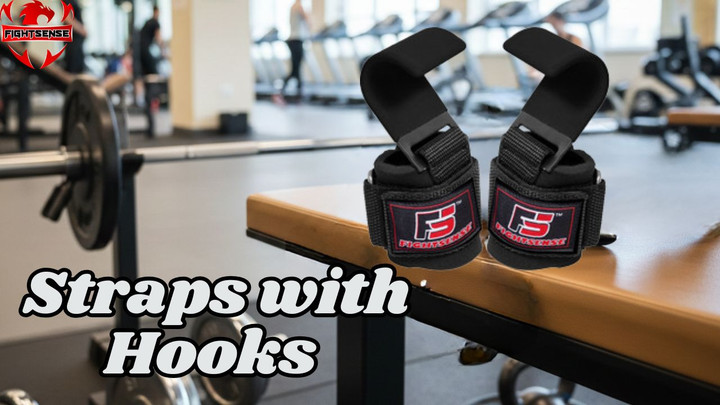
Straps with Hooks: Your Ultimate Gym Tool for Heavy Lifting
15th Apr 2025
Straps with hooks are a game-changer for anyone dealing with grip fatigue during heavy lifts. These clever grip aids secure your hold, letting you lift heavier weights without worrying about slipping.
Ideal for exercises like deadlifts, shrugs, and rows, hook straps stabilize your hands, so you can focus on building strength rather than overworking your forearms. In this blog, we’ll explore why hook straps are an essential tool for serious lifters and how they can elevate your training to the next level.
Key Highlights:
-
Enhanced Grip Security: Keep a firm hold during heavy lifts, reducing the risk of slipping.
-
Versatile Use: Ideal for deadlifts, shrugs, rows, and many other exercises.
-
Boost Performance: Focus on lifting without being limited by grip fatigue.
-
Easy to Use: Quick and simple attachment for rapid setup.
-
Lift More, Longer: Reduce hand fatigue and perform more reps with heavier weights.
What Are Hook Straps and How Do They Work?
Hook straps are specially designed for lifting accessories that combine a wrist strap with a sturdy metal hook. The hook securely grips the barbell, while the strap wraps around your wrist, ensuring your hands stay safe and stable during heavy lifts.
These straps allow you to focus on engaging your muscles rather than worrying about your grip slipping under pressure. They are particularly useful when lifting near your maximum weight, as grip strength often becomes a limiting factor. By stabilizing your hold, hook loop straps help you push past grip fatigue and perform more reps with better form.
How They Enhance Your Lifting:
-
Make it easier to maintain proper form during heavy pulls like deadlifts and rows.
-
Reduce tension in your hands and forearms, letting your larger muscle groups do the work.
-
Allow for consistent training without grip limitations, supporting steady strength gains.
-
Provide versatility across different lifts, from barbells to dumbbells and even machines.
-
Help prevent injuries caused by slipping or improper grip under load.
Uses of Straps with Hooks:
Deadlifts: Though they guarantee your hands aren't the weakest link, deadlifts demand a solid grip. They help you to easily raise more weight by preventing grip failure.
Shrugs: Targeting your traps, high loads can help you have a safe hold on the bar during shrugs, therefore emphasizing growing your shoulders instead of stressing your grip.
Rows: Whether a bent-over or sitting cable row, they will ensure your grasp is strong and steady so you may concentrate on pulling with your back muscles, free from concern about the bar slipping.
How Hook Straps Improve Your Workouts
Improved GripEven at maximum lifts, the hook design guarantees a strong adhesion to the bar, enabling hoists of larger weights.
Increased Lifting Capacity: A reliable grip allows you to push past your limitations and raise more weight with greater technique over time, therefore enhancing your performance.
Reduced Forearm Fatigue: Your workouts could be limited by grip tiredness. They help to solve this problem so you can concentrate on target muscles instead of tired forearms.
Enhanced Safety: Essential for safety during heavy lifting, a strong hook grip weightlifting reduces the chance of the bar slipping, therefore preventing damage.
Hook Straps: Benefits and Considerations:
Straps with Hooks provide a secure grip, reduce wrist and hand fatigue, and let you focus on building muscle without worrying about slipping. They’re perfect for heavy lifts like deadlifts and rows. However, overuse can limit natural grip strength, and they aren’t ideal for exercises requiring precision or quick hand movements. Proper adjustment is key to avoid discomfort around the wrists and forearms.
Fightsense Hook Straps: Maximize Your Grip and Strength:
Fightsense hook straps are designed to give you a rock-solid grip, reduce wrist and hand fatigue, and let you lift heavier without slipping. Perfect for deadlifts, rows, and shrugs, they help you focus on building muscle while protecting your hands.
Fightsense is a reliable brand that also provides high-quality sports and weightlifting equipment, so you can trust their products for performance and durability. Just keep in mind that overreliance on straps can limit natural grip strength, and proper adjustment is essential to avoid discomfort around the wrists and forearms.
FAQs:
1. What are hook straps used for?
Hook straps provide a secure grip during heavy lifts, helping prevent the bar from slipping and giving you better control over the movement.
2. How do I use a hook strap?
Simply loop the strap around your wrist, attach the hook to the barbell, and you’re ready for a stable, confident lift.
3. Can I use hook straps for all types of lifts?
They are ideal for heavy pulling movements like deadlifts, shrugs, and rows. However, they may not be suitable for lifts that require precise finger grip control.
4. Are hook straps better than regular lifting straps?
Yes. Hook straps offer a more secure and reliable grip, especially during max-out lifts when your grip strength might otherwise limit you.
5. Should I use hook straps for every lift?
Not necessarily. They are mainly for heavy lifts. For lighter exercises, it’s better to focus on building natural grip strength rather than relying on straps.
Conclusion:
Anyone serious about weightlifting needs straps with hooks. They lower the danger of injury, increase lifting performance, and help you to grab. Although they depend on the tool for grip strength and have certain shortcomings, their advantages much exceed their negatives.
When used correctly, they can help you focus on strengthening yourself without thinking about grip tiredness, lift more, and exercise more efficiently.
Disclaimer:
This blog offers just broad information. Always use straps with hooks correctly to guarantee safety and prevent over-dependence on the tool for grip strength.