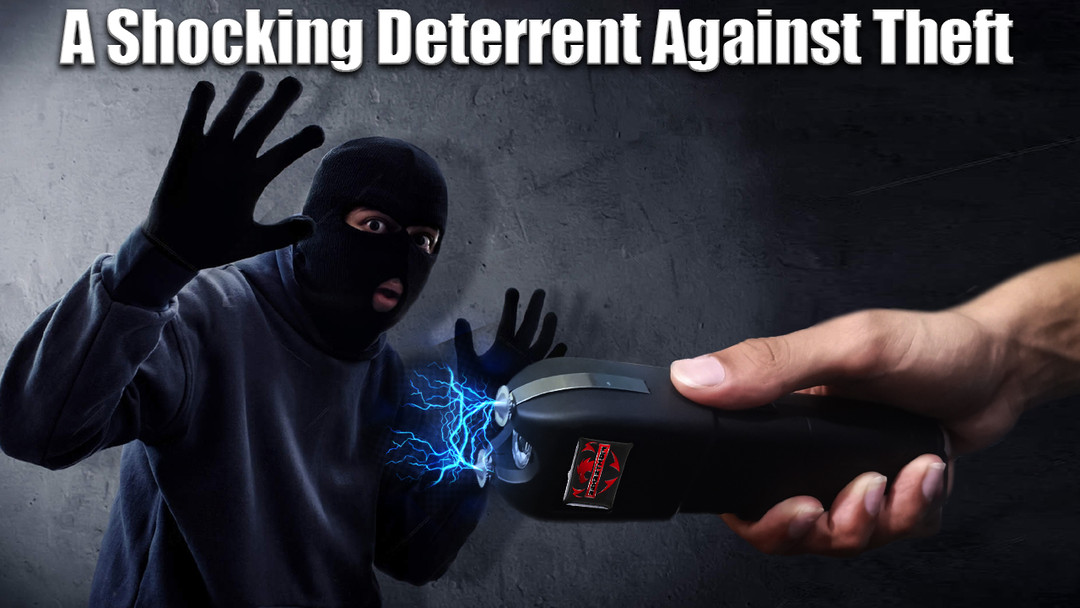
Step-by-Step Guide to Using Your Stun Gun Effectively
Personal safety is not about fear—it’s about preparation. A stun gun is a powerful, non-lethal self-defense tool when used correctly. Whether you’re new to stun guns or want to sharpen your skills, this guide walks you through every step in a clear, practical way.
At FightSense, we believe confidence comes from knowing exactly how your self-defense tools work. Let’s break it down step by step.
What Should You Do Before Using a Stun Gun for the First Time?
Before you ever need to rely on a stun gun in a real situation, preparation is key.
Why Is Reading the Instructions Important?
Every stun gun has small design differences. Understanding your specific model helps avoid mistakes.
-
Learn where the safety switch is located
-
Identify the trigger or activation button
-
Check charging ports or battery placement
How Can You Check If Your Stun Gun Is Working?
Testing ensures your device is ready when you need it.
-
Test in a well-ventilated area
-
Keep fingers away from electrodes
-
Briefly activate for 1–2 seconds only
-
A loud crackling sound and visible spark mean it’s functioning properly.
How Do You Hold a Stun Gun Correctly?
Grip matters more than most people realize.
What Is the Proper Way to Hold It?
A firm grip improves control and reaction time.
-
Hold it like a flashlight
-
Thumb near the activation button
-
Electrodes facing outward
Why Does Hand Placement Matter?
Incorrect handling can reduce effectiveness or cause accidental discharge.
-
Avoid covering electrodes
-
Keep wrist straight for stability
-
Never hold near the spark area
When Should You Activate a Stun Gun in a Threatening Situation?
Timing is everything when it comes to self-defense.
What Is the Right Moment to Use It?
Only activate your stun gun if you feel genuinely threatened and escape is not possible.
-
When someone is within arm’s reach
-
When verbal warnings fail
-
When personal space is violated
Should You Warn the Attacker First?
In many cases, yes.
-
The loud spark sound can deter attackers
-
It may stop the situation without contact
-
It draws attention from others nearby
Where Should You Aim a Stun Gun for Maximum Effect?
Proper targeting increases effectiveness and safety.
What Areas Work Best?
Aim for muscle groups rather than sensitive organs.
Effective target areas include:
-
Upper thighs
-
Shoulder or upper arm
-
Side of the torso
Which Areas Should You Avoid?
Avoid aiming at areas that may cause serious harm.
-
Head or neck
-
Chest area
-
Groin
FightSense stun guns are designed for controlled use, not excessive force.
How Long Should You Apply the Stun Gun?
Short bursts are more than enough.
What Is the Ideal Contact Time?
A brief activation disrupts muscle control without long-term injury.
-
1–3 seconds is usually sufficient
-
Step back immediately after contact
-
Create space and escape
Why Should You Avoid Prolonged Use?
Longer contact doesn’t increase safety.
-
Wastes battery power
-
Increases risk of injury
-
Delays your escape
What Should You Do Immediately After Using a Stun Gun?
Your goal is safety, not confrontation.
How Can You Get Away Safely?
Once the attacker is incapacitated:
-
Move to a safe, well-lit area
-
Call emergency services if needed
-
Alert nearby people or authorities
Should You Report the Incident?
Reporting helps protect you legally.
-
Explain the situation clearly
-
State it was used in self-defense
-
Cooperate fully if questioned
How Can You Store and Maintain Your Stun Gun Properly?
Maintenance ensures long-term reliability.
How Often Should You Charge It?
Even if unused, batteries can drain over time.
-
Recharge every 1–2 months
-
Avoid overcharging
-
Use original charging cable
Where Is the Best Place to Store It?
Accessibility matters.
-
Keep it out of children’s reach
-
Store in a dry place
-
Carry in a quick-access pocket or bag
FightSense stun guns are compact, making them easy to carry without compromising safety.
Are There Legal and Safety Tips You Should Know?
Responsible ownership matters.
Is It Legal to Carry a Stun Gun?
Laws vary by region.
-
Understand where carrying is restricted
-
Follow transport rules if applicable
How Can You Use It Responsibly?
Stun guns are defensive tools, not weapons for intimidation.
-
Never use as a joke
-
Only for immediate self-defense
Final Thoughts: Why Proper Training Makes All the Difference
A stun gun is only effective if you know how to use it. With proper preparation, correct handling, and calm decision-making, it can give you the critical seconds needed to escape danger.
At FightSense, we design self-defense tools that are reliable, easy to use, and built for real-world safety. Learning how to use your stun gun effectively turns it from a device into true personal protection.
Frequently Asked Questions (FAQs)
1. Can a stun gun cause permanent harm?
No. When used correctly, a stun gun delivers a temporary electrical shock that disrupts muscle control without causing lasting injury. FightSense stun guns are designed for non-lethal self-defense only.
2. Do stun guns work through clothing?
Yes, stun guns can work through light to medium clothing. Thicker layers may reduce effectiveness, which is why aiming for exposed or lightly covered muscle areas is recommended.
3. How often should I test my stun gun?
You should test your stun gun about once a month to ensure it’s working properly. A short 1–2 second test is enough to confirm battery strength and functionality.
4. Is it safe to carry a stun gun in a bag or purse?
Yes, as long as the safety switch is engaged. FightSense stun guns are compact and designed for everyday carry, making them easy to store securely in bags or pockets.
5. What should I do if my stun gun doesn’t work when tested?
If your stun gun fails to spark or make sound, recharge it fully and test again. If it still doesn’t work, stop using it and replace the device to ensure your personal safety.