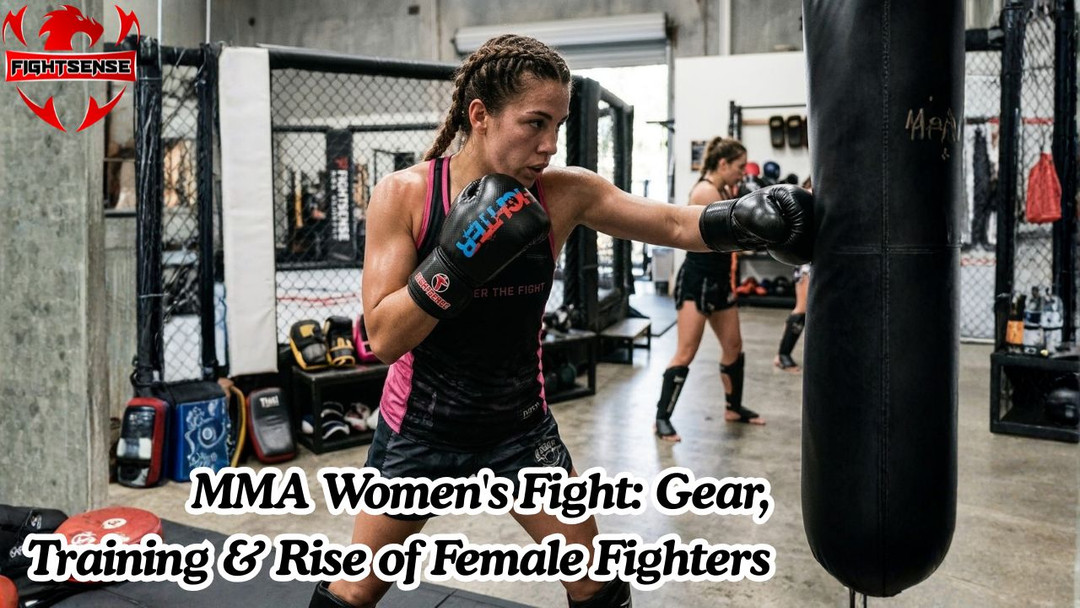
MMA Women's Fight: Gear, Training & Rise of Female Fighters
The evolution of the MMA women's fight segment has transformed combat sports from a niche attraction into a global phenomenon. Female athletes are breaking barriers with extraordinary technical proficiency, physical conditioning, and strategic mastery in the cage. From high-octane striking exchanges to intricate grappling transitions, women fighters continue to redefine the boundaries of modern martial arts.
Success in modern mixed martial arts requires more than raw talent. Female fighters rely on rigorous fight camps, precise weigh-in management, and specialized protective equipment designed for high-impact performance. This comprehensive guide covers the evolution of women in combat sports, essential training methodologies, hand safety, and gear selection—featuring high-performance equipment from FightSense.
The Rise of Women in Mixed Martial Arts
Women’s combat sports have evolved rapidly over the past two decades. Early pioneers fought for recognition on regional circuits, laying the groundwork for mainstream adoption in major global promotions like the UFC, Bellator, and ONE Championship.
Historic Milestones in Female Combat Sports
- 2006: Early international women's tournaments highlighted technical grappling and kickboxing skills.
- 2012: Mainstream MMA organizations officially introduced women's divisions, starting with the bantamweight weight class.
- 2013: The inaugural female bout in major pay-per-view history proved that women's fights could headline major sports broadcasts.
- Present Day: Multiple female weight classes—strawweight, flyweight, bantamweight, and featherweight—regularly generate record-breaking viewership.
Essential Gear: Why Specialized Gloves Matter
Hand protection is paramount in combat sports. Unlike traditional boxing handwear, mixed martial arts gloves feature an open-palm, fingerless structure that permits seamless transitions between striking, clinch work, and submission holds.
Protection and Joint Alignment
Small metacarpal bones in the hand absorb immense force during striking drills. High-density, multi-layer foam padding distributes impact evenly across the knuckles, reducing the risk of fractures. Furthermore, ergonomic wrist closures stabilize the wrist joint during heavy bag work and sparring.
Flexibility for Grappling and Self-Defense
An open-palm design allows athletes to perform wrestling takedowns, secure submissive holds, and maintain wrist control. Specialized women's combat handwear accommodates smaller hand proportions while maintaining optimal impact absorption and wrist containment.
Combat Gear Comparison: MMA Gloves vs. Boxing & Sparring Gear
Choosing the right equipment depends on your specific training discipline and workout intensity.
|
Feature / Gear Type |
MMA Fight Gloves |
MMA Sparring Gloves |
Boxing / Heavy Bag Gloves |
|
Typical Weight |
4 oz |
7 oz |
12 oz – 16 oz |
|
Palm Design |
Open-palm for grappling |
Semi-open palm |
Fully enclosed fist |
|
Primary Purpose |
Official bouts & grappling drills |
||
|
Wrist Closure |
Dual velcro hook-and-loop strap |
Reinforced dual strap |
Extended cuff or lace-up / velcro strap |
|
Protection Level |
Moderate (knuckle focus) |
High (foam-padded knuckle ridge) |
Maximum hand & wrist coverage |
Training & Conditioning for Female Combat Athletes
Preparing for an MMA women's fight involves a multi-faceted athletic approach combining martial skill acquisition with intense physical conditioning.
1. Striking Discipline (Muay Thai & Boxing)
Athletes build striking precision through pad work, heavy bag drills, and controlled sparring. Focused footwork and head movement allow fighters to generate maximum force without sacrificing balance.
2. Grappling Mastery (Wrestling & Brazilian Jiu-Jitsu)
Combat sports require effective takedown defense, guard passes, and submission transitions. Training with proper hand support prevents joint strain during repeated mat work.
3. Strength & Physical Conditioning
Female fighters utilize compound lifting, weighted belts, resistance bands, and high-intensity interval training (HIIT) to build core strength and muscular endurance. Using supportive wrist wraps during heavy lifting protects vulnerable joints during strength camps.
The Science of Weigh-Ins & Fight Camp Strategy
The official weigh-in is a critical milestone before any sanctioned bout. Athletes manage their hydration, nutrition, and caloric intake to hit strict division weight limits safely.
Key Aspects of Fight Preparation
- Structured Weight Cut: Controlled caloric deficits combined with precise hydration protocols ensure fighters make weight while maintaining peak power.
- Rehydration & Recovery: Post-weigh-in nutrition restores glycogen stores and fluid balance prior to competition.
- Mental Resilience: Face-offs and pre-fight media events test psychological focus, emotional control, and tactical preparation.
Why FightSense is the Top Choice for Female Fighters
Developing fight-ready performance requires durable, ergonomic equipment engineered for high-intensity training. FightSense provides premium athletic equipment tailored for combat sports enthusiasts, weightlifters, and multi-discipline athletes.
Engineered for Hand Protection & Ergonomics
FightSense combat gloves are constructed with multi-layered shock-absorbing foam and reinforced synthetic leather to withstand intense bag work and sparring sessions. The anatomical contouring accommodates smaller hand sizes, offering tight hand containment without restricting dexterity.
Versatile Athletic Support
Beyond combat handwear, FightSense provides heavy-duty weightlifting accessories—including wrist wraps, lifting hooks, and support straps. Female fighters can easily transition from striking drills to heavy strength conditioning using a single, trusted brand built for durability and joint protection.
Expert Tips for Beginner Female Fighters
- Wrap Your Hands Properly: Always use full-length cloth hand wraps beneath your gloves to support the thumb and metacarpal joints.
- Invest in Quality Gear: Never train with worn-out padding. High-density foam equipment prevents chronic wrist strain.
- Prioritize Recovery: Incorporate mobility routines, adequate sleep, and targeted nutrition into your weekly training schedule.
- Master the Basics First: Focus on stance, balance, and defense before increasing power output during bag sessions.
Common Mistakes to Avoid in Combat Sports
- Using the Wrong Glove Weight: Training on heavy bags with thin 4 oz fight gloves leads to hand fatigue and injury. Use heavier sparring or bag gloves for daily drills.
- Ignoring Joint Alignment: Punching without straight wrist alignment places undue strain on small joints.
- Skipping Strength Conditioning: Combat skills require supporting functional strength. Neglecting core and back conditioning reduces power delivery.
- Neglecting Equipment Maintenance: Failing to clean synthetic leather gloves causes bacteria buildup and material degradation.
FAQs:
What makes an MMA women's fight different from men's bouts?
The rules, round durations, and weight classes in professional MMA are identical for men and women. The distinction lies in hand sizing, anatomical proportions, and tactical approaches unique to individual combat styles.
What weight gloves are used in female MMA bouts?
Professional bouts use official 4 oz open-palm gloves. For training and sparring, female fighters typically use 7 oz hybrid gloves or 12–14 oz boxing gloves for maximum hand protection.
How do you measure hand size for MMA gloves?
Measure the circumference of your hand around the knuckles (excluding the thumb) using a soft measuring tape. Compare your measurement to manufacturer sizing charts to ensure a snug fit.
Can used boxing gloves for MMA training?
You can use boxing gloves for pure striking drills and heavy bag work. However, you need open-palm MMA gloves for grappling, clinch practice, and mixed discipline sparring.
Why is wrist support important in combat handwear?
Proper wrist support prevents hyper-extension and stabilizes the wrist joint when landing heavy strikes on bags, pads, or opponent shields.
Are FightSense gloves suitable for self-defense and martial arts training?
Yes. FightSense produces durable, multi-layer foam MMA gloves suitable for kickboxing, self-defense classes, heavy bag conditioning, and tactical sparring.
What equipment do you use in combat sports class?
Beginners typically need hand wraps, a well-fitted mouthguard, supportive MMA training gloves, and flexible athletic clothing.
Conclusion
The MMA women's fight landscape continues to set benchmark standards for athletic excellence, skill, and empowerment in combat sports. Whether you are stepping onto the mats for self-defense, fitness conditioning, or competitive bouts, success relies on proper technique, mental fortitude, and reliable equipment.
Protect your hands and elevate your fight training with durable, high-performance gear. Explore FightSense today to equip yourself with premium MMA gloves, protective wrist wraps, and athletic accessories engineered for peak performance!
Disclaimer:
This blog is just for informational needs. Before making MMA gloves or starting MMA training, always speak with a qualified instructor or trainer.