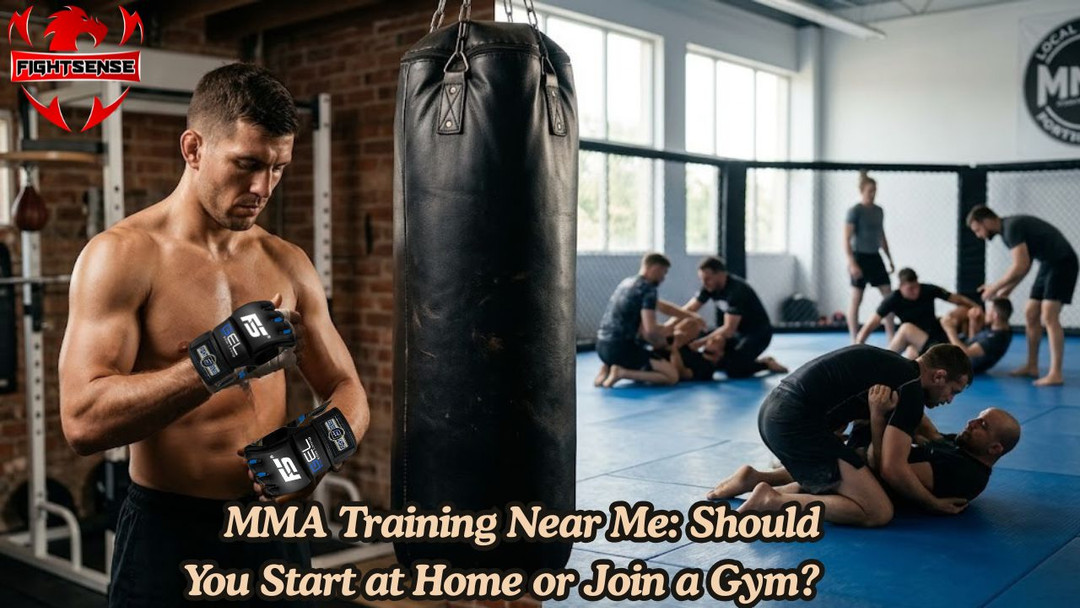
MMA Training Near Me: Should You Start at Home or Join a Gym?
If you have recently searched for MMA training near me, you are likely looking to build combat fitness, master practical self-defense, or step into mixed martial arts for the first time. However, many beginners face a common dilemma before stepping into a local academy: Should you join a local gym right away, or build foundational strength and striking mechanics at home first?
This comprehensive guide breaks down both training paths, essential conditioning drills, financial expectations, and the exact protective gear you need to protect your hands, wrists, and joints from day one.
Understanding Search Intent: What MMA Training Involves
Mixed Martial Arts (MMA) combines striking disciplines like boxing and Muay Thai with grappling frameworks like Brazilian Jiu-Jitsu (BJJ) and wrestling. When evaluating local training options, understanding these core components helps you choose a gym that matches your personal fitness goals.
- Striking Fundamentals: Punches, kicks, elbows, and defensive footwork.
- Grappling & Takedowns: Clinch work, single/double-leg takedowns, and mat control.
- Ground Defense & Submissions: Chokes, joint locks, and escaping bottom positions.
- Combat Conditioning: Explosive cardio, core stability, and functional power.
Option 1: Joining a Local MMA Gym Immediately
Stepping straight into a local combat sports academy gives you access to structured coaching and real-world feedback.
Pros
- Expert Coaching: Certified instructors correct improper technique immediately, preventing bad habits.
- Live Sparring Partners: Training with partners teaches spatial awareness, timing, and distance control.
- Structured Environment: Dedicated class times keep you accountable and consistent.
Cons
- Intimidation Factor: Complete beginners often feel overwhelmed during live drills.
- Financial Commitment: Monthly membership fees can range from $100 to $250+ per month.
- Schedule Rigidity: You must adapt your routine to fixed class schedules.
Option 2: Building Foundational Skills at Home First
Starting with home-based conditioning allows you to build baseline stamina, core stability, and familiarity with basic striking before booking your first trial class.
Pros
- Zero Intimidation: Learn basic footwork and conditioning at your own pace.
- Flexible Schedule: Train whenever your day allows without commuting stress.
- Cost Efficiency: Requires minimal setup costs compared to ongoing gym contracts.
Cons
- Lack of Direct Feedback: No coach is present to fix poor alignment or defensive oversights.
- No Live Grappling: You cannot simulate live partner resistance or submission escapes alone.
Comparing Training Paths: Local Gym vs. Home Prep
|
Feature |
Local MMA Gym |
Home Preparation |
|
Primary Focus |
Technique, live sparring, ground control |
Base cardio, heavy bag work, core power |
|
Cost Level |
High (Monthly tuition + gear) |
Low (One-time basic gear investment) |
|
Injury Risk |
Moderate (Managed by coaches) |
Low (Solo drilling and conditioning) |
|
Feedback Speed |
Immediate |
Self-evaluated |
|
Best For |
Fast skill acquisition & competition prep |
Absolute beginners & building confidence |
Essential Gear for MMA Training Near Me
Whether you choose home preparation or jump straight into local classes, bringing your own reliable personal gear is essential for hygiene and injury prevention. Most gyms require personal hand protection from day one.
1. Striking Protection
- MMA Gloves: Hybrid 4oz or 7oz padded gloves designed for both striking and grappling transitions.
- Boxing Gloves: 12oz–16oz gloves for heavy bag power drills and controlled partner pad work.
- Hand Wraps: Cloth or elastic wraps that secure the wrist joints and metacarpal bones under your gloves.
2. Conditioning & Strength Gear
- Heavy Bags: Build striking power, hand-eye coordination, and cardiovascular endurance.
- Strength Accessories: Pull-up bars, resistance bands, and weightlifting gear (such as wrist straps and lifting belts) to fortify your back, grip, and core for grappling defense.
Equipment Recommendation: When preparing for MMA training near me, investing in trusted combat gear prevents premature hand fatigue and joint stress. Brands like FightSense offer durable MMA gloves, padded boxing gloves, supportive hand wraps, and heavy-duty strength accessories designed to withstand rigorous heavy bag work and daily conditioning.
Expert Tips to Prepare for Your First Session
- Build Grip & Wrist Support: Strong wrists prevent hyperextension during heavy bag strikes. Use hand wraps consistently.
- Focus on Aerobic Stamina: Incorporate jump rope sets, interval sprints, and bodyweight circuits 3 times a week.
- Visit Multiple Academies: Most local gyms offer a free 1-day or 1-week trial. Test the culture and cleanliness before signing a contract.
- Prioritize Hygiene: Keep your gloves air-dried and wash wraps after every single workout session.
Common Beginner Mistakes to Avoid
- Skipping Hand Protection: Hitting bags or pads without hand wraps increases the risk of knuckle bruising and sprains.
- Over-Pacing in Day 1: Pushing 100% intensity in your first 15 minutes leads to rapid gassing out and sloppy form.
- Ignoring Strength Work: Technical skill requires underlying joint stability and posterior chain power for takedown defense.
- Buying Cheap Equipment: Poorly padded gloves break down quickly, exposing your knuckles to direct impact injuries.
FAQs:
Is MMA training safe for absolute beginners?
Yes. Beginner classes focus on fundamental movements, cardiovascular conditioning, and controlled pad work without full-contact sparring.
How much does local MMA training typically cost?
On average, monthly gym memberships cost between $100 and $250, depending on the facility, location, and class frequency.
What is the recommended attire for a first MMA class?
Wear moisture-wicking athletic clothes without pockets or zippers (like rash guards and fight shorts). Avoid wearing loose jewelry or unpadded accessories.
Is personal equipment required for a trial MMA session?
Most gyms lend basic gear for trial sessions, but purchasing personal MMA gloves and hand wraps is recommended for hygiene and proper fit.
Can beginners prepare for MMA training at home without a coach?
Individuals can build excellent physical conditioning, core strength, and basic shadowboxing mechanics at home, though technical refinement requires coaching.
How often should a beginner train MMA per week?
Starting with 2 to 3 sessions per week allows muscle tissue, joint connective structures, and the nervous system to adapt safely.
How can someone determine if a local MMA gym is reputable?
Look for clean mats, certified coaches with verifiable combat experience, clear safety guidelines, and a supportive team atmosphere.
Conclusion:
Searching for MMA training near me is the first step toward transforming your physical conditioning and self-defense capabilities. Whether you choose to build a baseline foundation at home with heavy bag drills and strength accessories or jump straight into a structured local academy, consistency and proper safety equipment remain your highest priorities. Equip yourself with reliable gear, listen to your body, and take the first step toward your martial arts journey today.
Disclaimer:
This blog is for general guidance only and is not professional advice—consult a licensed instructor or doctor before starting any MMA training, especially if you have health concerns.