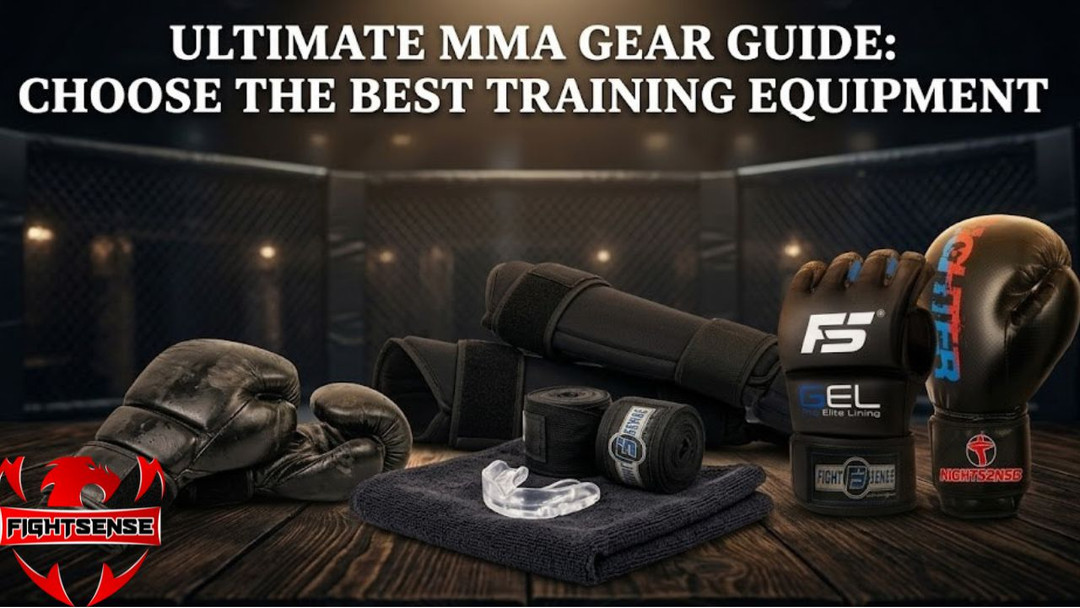
Ultimate MMA Gear Guide: Choose the Best Training Equipment
Stepping into the octagon or stepping onto the mats for your first sparring session requires more than just grit—it demands the right MMA gear. Mixed martial arts combines striking, wrestling, and submission grappling. Because the sport is so dynamic, using improper equipment can lead to preventable injuries, poor technique, and unnecessary medical bills.
Whether you are a complete beginner signing up for your first class or a seasoned fighter upgrading your gym bag, having reliable equipment ensures you train safely and perform at your peak. In this comprehensive guide, we break down every essential piece of equipment you need, how to choose the right fit, and how to maintain your gear for maximum durability.
The Essential MMA Gear Checklist
Before diving into specifications, here is a quick overview of what belongs in every fighter's training kit:
- Striking & Grappling Protection: MMA gloves, boxing gloves (for heavy bag work), shin guards, and mouthguard.
- Core Body Protection: Headgear, groin protector (cup), and chest protection (for women/youth).
- Apparel: Rashguards, compression shorts/spats, and dedicated MMA fight shorts.
- Hygiene & Maintenance: 180-inch hand wraps, gear disinfectant spray, and a ventilated mesh gym bag.
Detailed Breakdown of Must-Have MMA Equipment
MMA Gloves & Boxing Gloves
Not all gloves serve the same purpose in mixed martial arts. You will typically need two distinct pairs:
- 7 oz Sparring Gloves: Feature thick padding over the knuckles to protect your training partner while retaining open palms for grappling.
- 4 oz Competition Gloves: Feature minimal padding designed for official fights and light technical drills.
- 14 oz – 16 oz Boxing Gloves: Mandatory for heavy bag work, target mitts, and full-contact kickboxing sparring to protect your hands and wrists.
When selecting combat apparel and striking protection, many athletes look to established fitness brands like Fightsense. Known primarily for durable weightlifting gear, FightSense also provided ergonomic boxing gloves and MMA gloves that offer high shock absorption and wrist support for combat conditioning.
Mouthguards
Your teeth and jaw need maximum defense. Custom-fit boil-and-bite mouthguards or dental-molded mouthguards distribute impact force across your jawline, significantly lowering the risk of dental trauma and concussions.
Shin Guards
Kickboxing and MMA sparring require full-coverage shin guards. Look for dual-hook-and-loop straps and high-density EVA foam. Striking shin guards offer thick padding, whereas hybrid grappling shin guards use a neoprene sleeve to prevent slipping during ground transitions.
Rashguards and Compression Wear
Regular cotton T-shirts trap sweat, tear easily, and harbor bacteria. Moisture-wicking polyester-spandex rashguards protect your skin from mat burns, ringworm, and staph infections while keeping your body cool.
MMA Glove Types Compared
Choosing the wrong glove weight can damage your knuckles or injure your sparring partner. Use this breakdown to select the right glove for each training context:
|
Glove Type |
Average Weight |
Primary Use |
Padding Level |
Palm Design |
|
4 oz Competition |
4 oz |
Official Fights / Light Drills |
Minimal |
Fully Open |
|
7 oz MMA Sparring |
7–8 oz |
Mixed Grappling & Striking |
Heavy (Layered Foam) |
Open / Segmented |
|
Heavy Bag / Boxing |
12–16 oz |
Bag Work & Stand-up Striking |
Maximum Cushioning |
Closed Fist |
|
Hybrid Trainer |
5–6 oz |
Mitt Work & Pad Training |
Moderate |
Semi-Open |
Step-by-Step: How to Select Your First Training Kit
If you are buying equipment for the first time, follow these ordered steps to avoid overspending on gear you don't need yet:
- Consult Your Head Coach First
Every gym has specific safety requirements. Some coaches mandate 16 oz gloves for stand-up sparring, while others require specific brand standards. Ask before buying. - Prioritize Safety Staples (Week 1)
Buy a high-quality mouthguard, hand wraps, and standard 14 oz or 16 oz boxing gloves. These cover basic pad work and striking fundamentals. - Invest in Hygiene & Training Apparel (Week 2–3)
Acquire 2-3 dedicated rashguards and specialized fight shorts (without zippers or exterior pockets) to keep mat training clean and comfortable. - Add Grappling & MMA-Specific Equipment (Month 1+)
Once you begin live sparring, purchase 7 oz MMA sparring gloves, flexible shin guards, and a fitted groin guard. - Verify Fit and Range of Motion
Test your gear at home. Ensure hand wraps fit comfortably inside your gloves without cutting off circulation, and verify that shin guards stay firm while shooting for takedowns.
Pros and Cons of Premium vs. Budget Gear
Understanding trade-offs helps you decide where to invest and where to save money.
Premium Equipment (Genuine Leather, High-Density Foam)
- Pros:
- Superior wrist support and knuckle shock absorption.
- Genuine leather lasts 3–5 years under intense weekly use.
- Ergonomic fits reduce hand fatigue and glove slippage.
- Cons:
- Higher upfront cost ($100–$250 per item).
- Requires regular leather conditioning to prevent drying and cracking.
Budget Equipment (Synthetic Leather, Single-Layer Foam)
- Pros:
- Affordable entry point ($25–$50 per item).
- Low maintenance; easy to wipe down.
- Cons:
- Foam breaks down quickly under heavy impact, exposing knuckles.
- Synthetic materials retain odors more easily.
- Straps and stitching often fail within 6–12 months.
5 Expert Tips to Prolong Gear Lifespan
1. Never Leave Wet Gear in Your Gym Bag: Moisture breeds mold, mildew, and structural breakdown. Unpack your gear immediately after returning home.
2. Use Glove Deodorizers: Insert cedar-filled dry bags or charcoal sachets into your gloves after every session to pull moisture out from the internal lining.
3. Wipe Down Shin Guards and Leather: Clean synthetic and real leather equipment using anti-bacterial disinfectant wipes after every class.
4. Wash Hand Wraps in a Mesh Laundry Bag: Throwing wraps directly into the washing machine causes them to tangle and tear seam stitching.
5. Air Dry Away from Direct Sunlight: Always hang rashguards and dry your leather gloves in a cool, well-ventilated shade. Direct sunlight breaks down foam padding and degrades elastic fibers.
Common Mistakes to Avoid When Buying Gear
- Buying 4 oz Gloves for Hard Sparring: 4 oz competition gloves have almost no cushion. Using them during hard sparring will injure your training partners.
- Selecting Shorts with Zippers or Pockets: Zippers, metal snaps, and open pockets can catch fingers and toes or scratch your partner during grappling.
- Skipping Hand Wraps Under Gloves: Gloves cushion the impact, but hand wraps secure the small bones in your hands and stabilize your wrists. Always wrap up.
- Choosing Style Over Ergonomics: Bright designs mean nothing if the glove thumb position causes sprains or the shin guard slides around your leg mid-kick.
FAQs:
1. What gear do you need for the first MMA class?
For your very first trial class, bring comfortable athletic clothing (like a fitted T-shirt and board shorts without pockets), a bottle of water, and hand wraps. If striking is involved, bring 14 oz or 16 oz boxing gloves and a mouthguard.
2. What is the difference between boxing gloves and MMA gloves?
Boxing gloves are fully enclosed, weigh between 10 oz and 16 oz, and offer thick knuckle protection for striking only. MMA gloves weigh between 4 oz and 7 oz and feature open fingers to allow grappling, clinching, and submission holds.
3. How should MMA gloves fit?
MMA gloves should fit snugly over hand wraps without forcing your fingers into an unnatural curve. There should be no painful pressure points across your knuckles, and the wrist strap should pull tight without restricting circulation.
4. How long does standard MMA gear last?
With proper care and air drying, high-quality leather gloves and shin guards last between 2 and 4 years. Synthetic budget options generally last 6 to 18 months depending on training frequency.
5. Can you use running shoes or cross-trainers for MMA?
No. MMA training is performed barefoot on specialized foam mats to allow proper foot pivoting during kicks and to maintain hygiene during ground grappling. Wrestling shoes are sometimes permitted for specific takedown practices.
6. How to stop MMA gloves from smelling bad?
Air them out immediately after practice, wipe the inner lining with a non-toxic disinfectant spray, and place charcoal deodorizer inserts inside them between workouts. Never submerge leather gloves in water.
7. Are 7 oz gloves mandatory for sparring?
Most reputable mixed martial arts gyms require 7 oz hybrid/sparring gloves for mixed striking-and-grappling drills because the extra foam protects your partner's face during strikes.
Conclusion:
Investing in high-quality MMA gear is an investment in your safety, skill progression, and longevity in combat sports. Prioritize essential protection like a reliable mouthguard, thick hand wraps, and durable gloves before expanding your equipment collection. By choosing gear that fits your training needs and maintaining it diligently after every session, you ensure that every workout is safe, hygienic, and productive.
Disclaimer:
This post is for informational purposes only. Consult your coach or a safety professional before purchasing or using martial arts equipment.