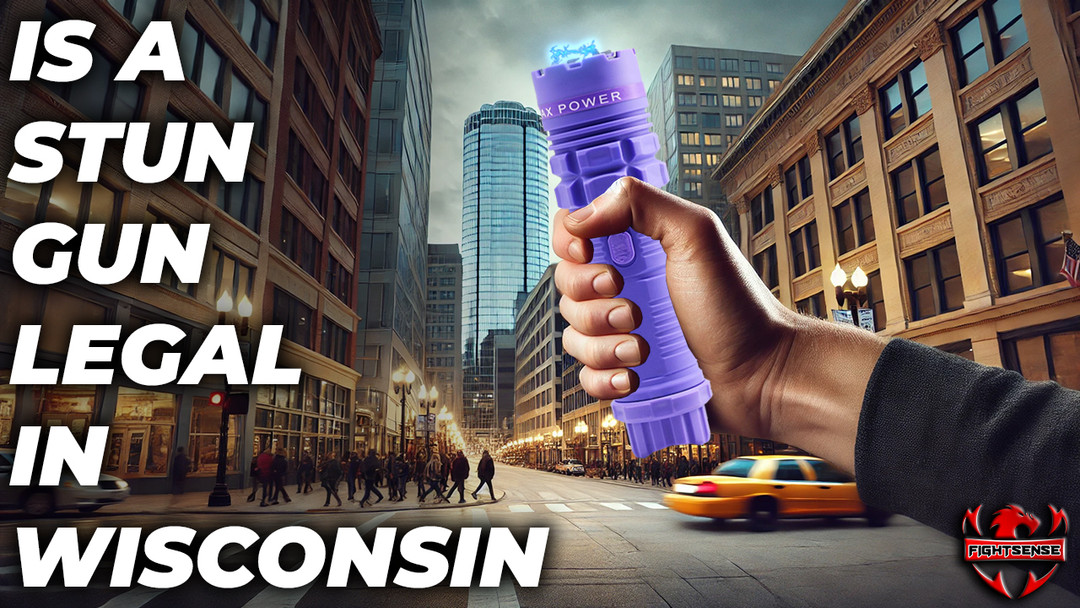
Is a Stun Gun Legal in Wisconsin? Key Fact
Is a stun gun legal in Wisconsin? Stun guns are a popular self-defense tool, but their legality varies by state. If you’re in Wisconsin and asking, is a stun gun legal in Wisconsin? you’re in the right place. This blog will break down Wisconsin stun gun laws, ensuring you stay informed and compliant. You’ll also learn who can legally carry a stun gun, where it may be restricted, and what rules you must follow to avoid legal trouble. Understanding these regulations can help you choose the right self-defense option with confidence.
Key Highlights:
-
Stun guns are legal in Wisconsin without a permit.
-
You must be 18 or older to purchase or possess a stun gun.
-
Prohibited locations include schools, government buildings, and public events.
-
Always use stun guns for lawful self-defense purposes.
What is a Stun gun?
A stun gun is a compact self-defense tool that delivers a painful electric shock to disable an attacker temporarily. Unlike a taser, it requires direct contact with the target and uses high voltage (20,000-50,000 volts) to cause muscle spasms and disorientation. Modern stun guns often include extra features like flashlights or alarms, enhancing usability and safety. While legal in many areas, local laws vary, and misuse or carrying in restricted zones can lead to legal issues. Overall, stun guns offer a non-lethal way to defend oneself, but knowledge of regulations and proper handling is key.
Is Owning and Carrying a Stun Gun Legal in Wisconsin?
Is a stun gun legal in Wisconsin? Yes, stun guns are legal to purchase, own, and carry in the state, making them a popular choice for self-defense. You must be at least 18 years old to buy or possess one. While Wisconsin does not require a permit, it’s important to follow state laws regarding responsible use and ownership. Misuse of a stun gun, such as using it in a criminal act, can lead to serious legal consequences.
There are also restrictions on where stun guns can be carried. They are generally prohibited in schools, government buildings, courthouses, and private properties that forbid weapons. Staying updated on local ordinances is essential, as city or county rules may further regulate possession. Understanding these laws ensures you can carry and use a stun gun safely and legally for personal protection.
Key Regulations:
While Wisconsin stun gun laws allow for their possession, there are necessary regulations to consider:
-
Age Requirement: Individuals must be at least 18 years old to purchase and carry a stun gun in Wisconsin.
-
Intended Use: Stun guns are intended solely for self-defense. Misuse or aggressive use can lead to legal repercussions.
-
Public Spaces: Carrying a stun gun in public spaces is generally permissible, but be cautious of specific locations where their use may be restricted, such as schools or government buildings.
Why Understanding Wisconsin Stun Gun Laws Matters:
Knowing the specifics of Wisconsin stun gun laws ensures you stay on the right side of the law. While stun guns are legal, misuse or carrying them in prohibited areas can result in fines or even criminal charges. Always prioritize safety and legality when using a stun gun for self-defense.
-
Carrying Restrictions: Carrying a stun gun in certain places, such as schools, government buildings, or private properties that prohibit weapons, can lead to criminal charges.
-
Age Limit: Wisconsin law prohibits the sale of stun guns to individuals under 18 years old.
-
Self-defense Use: They can be legally used for self-defense, but using them excessively or in situations that don’t involve an immediate threat could lead to legal complications.
-
Concealed Carry: Stun guns don’t require a permit for concealed carry, but the use of them in a concealed manner might still raise questions if not used properly.
-
No Felony Convictions: Individuals with felony convictions are restricted from possessing stun guns in Wisconsin.
Stun Gun Legality in Wisconsin:
Stun guns are legal to possess and carry in Wisconsin for self-defense purposes. While state law allows their use, some cities or counties may have additional rules, so it’s important to check local ordinances to ensure compliance. Stun guns can be purchased from reputable online or physical retailers, but buyers should make sure the products meet safety standards and follow Wisconsin regulations. When carrying or transporting a stun gun, it should be kept in a secure location to avoid legal complications or misunderstandings with law enforcement.
Shop Now !
Conclusion:
Is a stun gun legal in Wisconsin? Yes, stun guns are a practical self-defense tool, and in Wisconsin, they are legal to carry without a permit. However, it’s essential to follow state laws, including age restrictions and rules about prohibited locations. By understanding Wisconsin stun gun laws, you can confidently use a stun gun for personal safety while staying fully compliant with the law.
FAQs:
1. Is a stun gun legal in Wisconsin for tourists?
Yes, tourists can legally carry a stun gun in Wisconsin as long as they follow all state laws, including age requirements and restricted locations.
2. Can I carry a stun gun in my car in Wisconsin?
Yes, you may carry a stun gun in your vehicle without a permit, provided it is intended for lawful self-defense.
3. Are there any places where stun guns are prohibited in Wisconsin?
Yes, stun guns are generally prohibited in schools, government buildings, courthouses, and certain public events or private properties with restrictions.
4. Do I need a background check to buy a stun gun in Wisconsin?
No, Wisconsin does not require a background check or permit to purchase a stun gun.
5. Can I use a stun gun to protect my home in Wisconsin?
Yes, stun guns may be used for home defense, but only in situations where you reasonably feel threatened and are acting in self-defense.
Disclaimer:
This blog is for informational purposes only and does not constitute legal advice. For specific questions about Wisconsin stun gun laws, consult a legal professional.