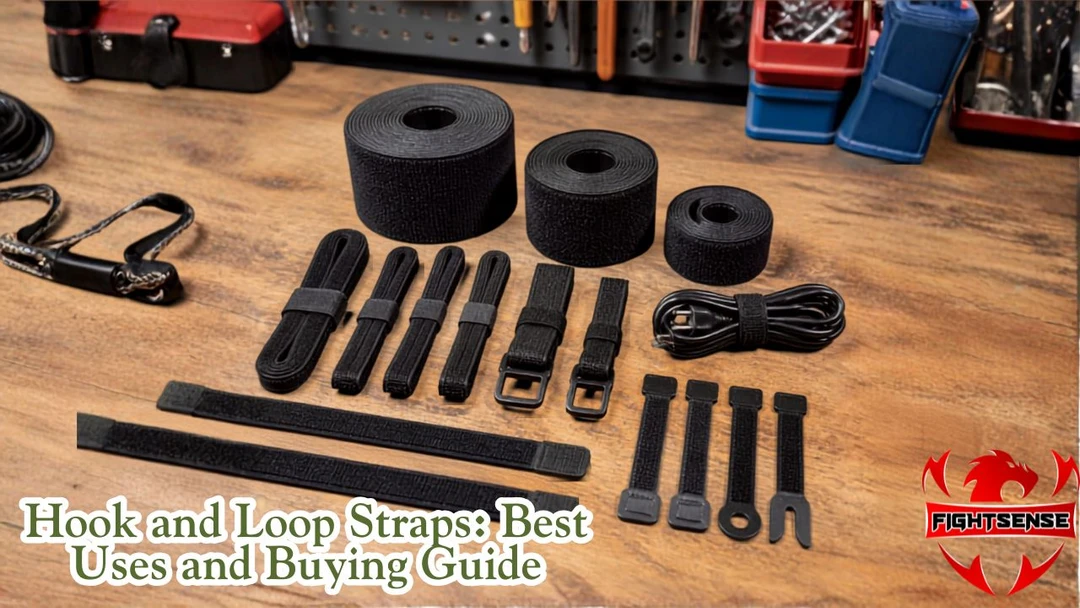
Hook and Loop Straps: Best Uses and Buying Guide
Ever tried to unplug something behind your desk only to find yourself wrestling with a tangled nest of cables? Or maybe you've needed a quick way to bundle gear together for a weekend trip. That is where hook and loop straps come to the rescue. Most of us grew up calling them Velcro, but these handy little fasteners have grown up. Today, they are absolute lifesavers for everything from tidying up a chaotic home office to keeping industrial gear securely fastened. Let's dive into what makes them so useful, the different types out there, and how you can pick the right ones for your projects.
Table of Contents
- What Are Hook and Loop Straps?
- Common Types of Hook and Loop Fasteners
- Top Applications for Home, Office, and Industrial Use
- Hook and Loop vs. Zip Ties: Which Is Better?
- How to Choose the Right Straps for Your Needs
- Step-by-Step Guide: Organizing Cables Like a Pro
- Pros and Cons of Hook and Loop Fasteners
- Expert Tips for Longevity
- Common Mistakes to Avoid
- Frequently Asked Questions
- Conclusion & Call to Action
What Are Hook and Loop Straps?
At their heart, these fastening strips are pretty clever. You have one side covered in tiny, stiff hooks, and the other side lined with a soft, fuzzy loop material. When you press them together, the hooks catch the loops and form a surprisingly strong bond. The best part? You can just peel them apart whenever you want. They can go through thousands of open-and-close cycles without losing their grip.
Common Types of Hook and Loop Fasteners
Not all fasteners are built the same. Depending on what you are working on, you will usually run into a few main styles:
- Cinch Straps (Buckle Straps): These have a small plastic or metal ring at one end. You feed the strap through the ring and pull back on it to get a really tight, secure hold. They are awesome for bundling heavy cords or hoses.
- Self-Gripping Rolls: These are double-sided rolls where the hooks face one way and the loops face the other. You can just snip off whatever length you need with a pair of scissors—perfect for smaller wire bundles.
- Adhesive-Backed Strips: These come with a sticky glue backing on one or both sides so you can mount things directly onto walls, dashboards, or equipment.
- Heavy-Duty Industrial Straps: Built from tough nylon designed to handle serious weight, outdoor weather, and rough conditions.
Top Applications for Home, Office, and Industrial Use
People find all sorts of creative ways to use these fasteners every day. Here are some of the most popular uses:
- Cable Management: Taming the mess of power cords, phone chargers, and monitor cables behind your entertainment center or computer desk.
- Garage & Outdoors: Keeping extension cords neatly rolled up, wrangling garden hoses, or strapping camping gear and bike wheels down for transport.
- Apparel & Gear: Securing medical braces, backpacks, and tactical accessories. For instance, fitness enthusiasts rely on weightlifting hooks and straps provided by fitness brands like Fightsense to secure heavy loads safely during intense training sessions.
- In the Car: Keeping emergency tools, flashlights, and first-aid kits from rolling around in your trunk.
Hook and Loop vs. Zip Ties: Which Is Better?
|
Feature |
Hook and Loop Straps |
Plastic Zip Ties |
|
Reusability |
Infinite (open and adjust whenever you want) |
Single-use (you have to cut them off) |
|
Safety |
Finger-safe; no sharp plastic edges |
Can leave sharp, prickly edges when trimmed |
|
Adjustability |
Super easy to add or remove cables later |
Fixed in place until you replace them |
|
Cost Efficiency |
Costs a bit more upfront, but lasts for years |
Very cheap per piece, but you keep buying more |
|
Tensile Strength |
Moderate to high (depending on the size) |
Extremely high initial strength |
How to Choose the Right Straps for Your Needs
Before you click "buy" or run to the store, keep these three quick things in mind:
- Where are you using them? If they are going outside or into a damp garage, look for weather-proof or UV-resistant materials.
- How much weight are they holding? Light phone chargers just need a simple cut-to-roll strip. Heavy gear or industrial hoses call for sturdy cinch straps with proper buckles.
- What size do you need? Always measure around whatever you are wrapping up, and make sure the strap has at least two inches of overlap so it holds securely.
Step-by-Step Guide: Organizing Cables Like a Pro
- Unplug and Sort: Unplug your devices and group similar cables together (like putting all power bricks in one pile and USB cables in another).
- Cut Your Strip: Grab your roll of fastener tape and measure out a piece long enough to wrap around your cable bundle twice.
- Wrap It Up: Secure the base tightly around the upper portion of your cable bundle.
- Tidy the Rest: Loop the remaining length of the cord neatly, then fasten the middle and end so nothing unravels.
- Label (Optional): Slap a color-coded tag on there if you want to know at a glance which cord goes to which gadget.
Pros and Cons of Hook and Loop Fasteners
Pros
- Eco-Friendly: Because you can reuse them endlessly, you aren't throwing away plastic zip ties every time you change a setup.
- Gentle on Wires: Unlike plastic zip ties that can accidentally pinch or crimp delicate cords, these keep wires safe and undamaged.
- Hassle-Free: No tools, no frustration—just wrap and press.
Cons
- Gets Dirty: Over time, lint, pet hair, and dust love to cling to the hook side, which can weaken the grip.
- Not Structural: You cannot use them to hold up heavy shelves or replace actual bolts and screws.
Expert Tips for Longevity
- Give Them a Brush: If your straps start feeling a bit weak, grab an old pet comb or a stiff brush and gently pull out the trapped lint and hair. Good as new!
- Mind the Overlap: Always aim for at least 1.5 to 2 inches of overlap between the hook and loop sections for the best hold.
- Watch the Heat: Standard nylon fasteners do not love extreme heat, so keep them away from hot engine parts unless they are specifically rated for high temperatures.
Common Mistakes to Avoid
- Crushing Your Wires: Don't pull cords so tight that you warp or damage the internal copper wiring. Keep it snug, not squished.
- Using the Wrong Adhesive: Stick-on strips meant for indoor walls will fall right off if you put them outside. Match your tape to the environment!
- Going Too Small: Buying straps that barely wrap around your bundle means they are going to pop open the second someone bumps into them.
Conclusion:
Getting your space organized doesn't have to be a headache. Whether you're sorting out a messy tangle of cords behind your desk or bundling up gear, a good pack of hook and loop straps makes the job effortless. Pick the right style, keep them clean, and enjoy a wonderfully clutter-free setup.
FAQs:
1. Can hook and loop fasteners get wet?
Water won't ruin standard nylon fasteners at all. However, if you are using the stick-on kind, constant moisture combined with dirt can cause the adhesive backing to fail.
2. How do you clean dirty hook and loop material?
Press the fastener together, let it soak in some warm soapy water for a few minutes, and brush away the debris with a stiff brush or comb. Let it air dry completely before using it again.
3. Are these safe for expensive audio and video cables?
Definitely. In fact, IT pros and audio engineers swear by them because they protect delicate cables from the signal degradation that tight zip ties can cause.
4. How much weight can heavy-duty straps hold?
Heavy-duty industrial cinch straps can easily handle anywhere from 20 to 50 pounds depending on how wide they are and the quality of the buckle.
5. How long do these fasteners last?
Good-quality nylon fasteners can handle thousands of opens and closes, easily lasting for years under normal everyday use.
6. Are there eco-friendly alternatives out there?
Yes, many brands now manufacture fasteners using recycled post-consumer plastics if you want to keep your project a bit greener.
Disclaimer:
This blog is only for informational needs. Before adding new tools to your exercise program, always see a qualified trainer or medical practitioner.