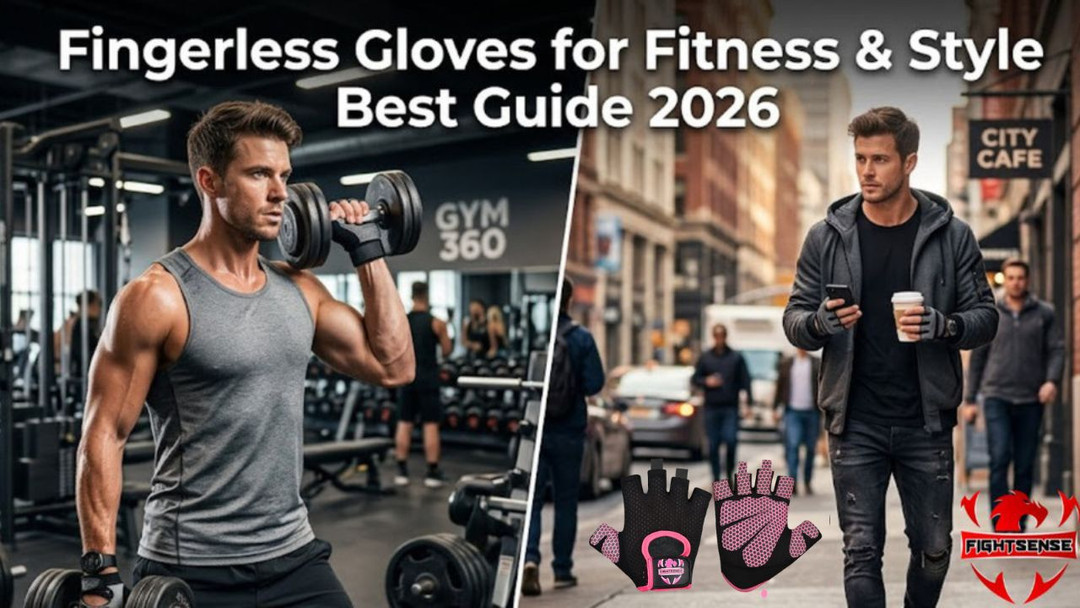
Fingerless Gloves for Fitness & Style Best Guide 2026
Key Takeaways
- Open-finger designs allow natural finger movement while covering the palm.
- A secure fit can make gripping workout equipment more comfortable.
- Reinforced palm areas are useful for exercises involving repeated hand contact.
- Breathable materials can help manage heat and moisture during longer sessions.
- The right size matters more than appearance when choosing training gloves.
- Their practical design also works well with casual and fitness-inspired clothing.
What Are Fingerless Gloves Used For?
The main purpose of this style is to provide coverage where your hands experience the most friction and pressure while keeping the fingertips free.
During exercises such as dumbbell curls, rows, pull-ups, and kettlebell movements, your palms repeatedly come into contact with equipment. Sweat can also make handles more difficult to hold comfortably. A suitable pair adds a layer between your skin and the equipment while maintaining finger mobility.
They are not designed to replace proper lifting technique or make you stronger on their own. Instead, they are a comfort and grip accessory that can make certain training sessions feel easier on the hands.
How Can They Improve Workout Comfort?
Reduce Palm Friction
Repeated rubbing against textured bars and handles can leave your palms feeling sore. Gloves provide a protective layer that reduces direct contact with the equipment.
This can be particularly useful during high-repetition workouts where your hands are exposed to the same movement again and again.
Support a More Secure Hold
Moisture and sweaty palms can make some gym equipment harder to handle. Gloves with a textured or reinforced palm may provide a more consistent contact surface.
The result is not extra strength, but a more comfortable grip that lets you focus on the exercise rather than constantly adjusting your hands.
Keep Your Fingers Free
The open-finger construction is one of the biggest advantages of this design. Your fingertips remain uncovered, allowing you to maintain natural finger movement and feel while handling equipment.
That makes this style appealing to people who find full-finger workout gloves too restrictive.
Which Exercises Are They Good For?
Their usefulness depends on the activity and personal preference. They can work well for exercises where the hands repeatedly hold equipment, including:
- Dumbbell exercises
- Barbell training
- Kettlebell movements
- Pull-ups and assisted pull-ups
- Cable exercises
- General strength workouts
- Functional fitness sessions
For extremely heavy lifts, some people may prefer additional equipment such as lifting straps or wrist wraps. These accessories serve different purposes, so one should not automatically be considered a substitute for another.
What Should You Look For When Buying a Pair?
Not every pair will feel the same. Before choosing one, pay attention to the following features.
Proper Fit
A training glove should sit securely without squeezing your hand. If it is too loose, the material can move during exercise. If it is too tight, it may become uncomfortable during longer sessions.
Check the manufacturer's sizing guide and measure your hand when possible.
Reinforced Palm
The palm receives repeated contact with gym equipment, so durable construction in this area can be valuable. Look for strong stitching and materials designed to handle regular use.
Breathable Construction
Ventilation matters when you're exercising for extended periods. Lightweight and breathable materials can help prevent your hands from becoming unnecessarily hot or sweaty.
Adjustable Closure
A secure wrist closure helps keep the glove in place while you move. Velcro-style closures are common because they allow users to adjust the fit quickly.
Easy Maintenance
Workout gear collects sweat over time. A glove that is easy to clean and dry is more practical for regular training.
Fingerless vs. Full-Finger Workout Gloves
The two designs serve similar purposes but feel different during use.
Fingerless gloves leave the fingertips exposed, giving you more direct finger movement and a less covered feel. They are often preferred by people who want palm coverage without feeling enclosed.
Full-finger gloves provide more coverage across the hand and fingers. They may be preferable for activities where greater hand protection is a priority.
Neither design is automatically better. The best choice depends on your workout, comfort preferences, and how much coverage you want.
Can They Be Used Outside the Gym?
Yes. Their open-finger design has also become popular as part of casual athletic and streetwear outfits.
They can be paired with hoodies, joggers, cargo trousers, or other sporty clothing for a practical fitness-inspired appearance. In this setting, the gloves are more about personal style than lifting performance.
That versatility makes them appealing to people who want workout accessories that don't have to stay inside their gym bag.
Are Fingerless Gloves Worth It in 2026?
For many gym-goers, they can be a worthwhile accessory if hand comfort is an issue during training.
Fingerless gloves are especially useful if you regularly deal with palm friction, sweaty hands, or discomfort from repeated contact with equipment. However, they are not essential for everyone. Some lifters prefer training without gloves because they like direct contact with the bar.
The important thing is to choose equipment based on your actual training needs rather than assuming that more gear automatically means better results.
Common Mistakes to Avoid
Choosing Appearance Over Fit
A stylish design won't help if the glove shifts while you're exercising. Fit should come first.
Buying the Wrong Size
Loose material can bunch up in the palm, while an overly tight fit can become uncomfortable. Always check measurements before ordering.
Ignoring Ventilation
Heavy or poorly ventilated materials can make your hands feel hot during longer workouts.
Expecting Gloves to Fix Poor Grip Technique
Fingerless gloves can improve comfort, but they cannot replace proper hand positioning, controlled movement, or good lifting technique.
Using the Same Gear for Every Exercise
Different workouts place different demands on your hands. Gloves may be useful for some movements, while straps or wraps may be more appropriate for others.
Why Choose FightSense for Training Gloves?
FightSense focuses on practical fitness gear designed for people who want comfort and dependable performance during regular workouts. When selecting training gloves, look for features such as a secure fit, durable palm construction, breathable materials, and a design that allows natural movement.
You can explore the FightSense gym gloves collection to find options suited to your training routine.
Choose workout gear that fits your hands properly and supports the way you actually train. A well-designed pair can make everyday lifting sessions more comfortable without restricting natural movement.
Conclusion
Fingerless gloves offer a simple way to add palm coverage and comfort to strength training while keeping the fingertips free. They can be useful for lifting, pull-ups, kettlebell work, and other exercises that involve repeated contact between the hands and equipment.
The best pair should fit securely, feel comfortable, provide adequate palm protection, and match the demands of your workouts. If you also like fitness-inspired clothing, the open-finger design can easily work as part of a casual athletic look.
Ultimately, gloves are an optional training accessory. Their value comes down to whether they solve a real problem for you, such as palm friction, sweaty hands, or discomfort during repeated lifting.
FAQs
1. Do workout gloves help with calluses?
They can reduce direct rubbing between the palms and gym equipment, which may help limit the amount of friction that contributes to callus formation. Results vary depending on the exercise and how often you train.
2. How should training gloves fit?
They should feel secure without squeezing your fingers or restricting movement. There should not be excessive material around the palm, and the glove should stay in position while you exercise.
3. Are open-finger gloves suitable for weightlifting?
Yes. They can work well for many resistance exercises, including dumbbells, barbells, cable machines, and kettlebells. For very heavy pulling movements, some lifters may choose straps for additional assistance.
4. Can beginners use this type of gym gear?
Absolutely. Beginners can use them when they want additional palm comfort or protection while becoming familiar with resistance training. They are optional rather than a requirement.
5. What material is best for training gloves?
There isn't one universal best material. Breathable fabric can improve comfort, while synthetic leather or reinforced materials may provide greater durability in high-contact areas. The ideal combination depends on how and how often you train.
6. Are fingerless designs better than full-finger options?
Not necessarily. Open-finger models offer more fingertip freedom, while full-finger versions provide greater coverage. Your workout and personal preference should determine which style suits you.
7. Can these gloves be worn for pull-ups?
They can be used for pull-ups if they provide a secure palm fit and enough grip for the bar. However, they should never be considered a replacement for proper technique or appropriate gym equipment.
8. Can training gloves be worn for everyday style?
Yes. Their athletic appearance works naturally with casual outfits, especially activewear, hoodies, joggers, and streetwear-inspired clothing.