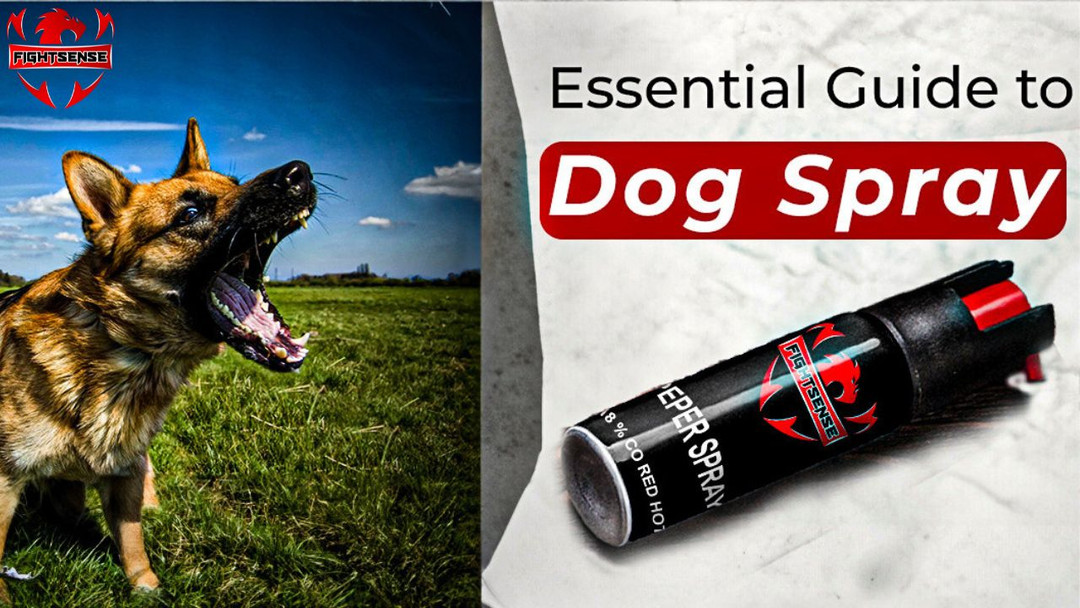
Dog Spray: What It Is and How to Use It for Safety
Dog spray is a specialized personal safety solution created to protect individuals from aggressive canines. Unlike general defense aerosols, this animal deterrent formula is specifically developed to repel dogs without causing long-term injury.
In this comprehensive guide, we’ll cover everything you need to know about canine repellent sprays, including how effective they are, proper usage methods, and helpful tips for selecting the right option for your personal safety needs.
Keynotes
-
Canine deterrent sprays create temporary irritation to stop aggressive dogs without long-term harm.
-
Available forms include mist repellents, gel-based sprays, and foam barriers for different conditions.
-
Effective use involves aiming at the animal’s face with quick bursts while staying calm.
-
Use animal defense sprays only when there is a genuine threat from a hostile dog.
-
Choose a dog-repelling product based on range, formula type, size, and portability.
-
Always check local laws before carrying or using any canine protection spray.
What Is Dog Spray?
Canine repellent is a defensive product created to shield individuals from threatening dogs. It usually contains a gentle but effective compound that affects a dog’s eyes and nasal passages, resulting in short-term irritation and distraction. The main purpose of this animal deterrent spray is to halt or slow an advancing dog long enough for you to reach a safe area.
Compared to stronger defense aerosols, this option is designed to be humane, providing a non-lethal approach that helps avoid serious harm to both the animal and the person using it.
How Does Dog Spray Work?
Dog spray works by releasing a cloud of mist that irritates the dog's sensory organs, particularly the eyes, nose, and throat. When sprayed, the dog experiences immediate discomfort, leading to a temporary inability to continue aggressive behavior. This gives you crucial time to move away from the situation safely. The effects of dog spray are temporary, usually lasting around 10 to 15 minutes, allowing the dog to recover fully without long-term harm.
Why Use Dog Spray?
Canine repellent spray is a practical safety option for people who often encounter dogs in urban areas, while running, or during outdoor activities. It provides quick protection by discouraging aggressive canines without causing lasting harm. This animal deterrent is humane, easy to carry, and simple to use, making it a convenient personal safety tool for all ages.
Types of Dog Spray
|
Type of Dog Spray |
Spray Pattern |
Best For |
Typical Range |
Key Advantage |
|
Aerosol Spray |
Fine Mist |
General outdoor use |
8–12 ft |
Wide coverage and easy aiming |
|
Stream Spray |
Direct Stream |
Windy conditions |
10–15 ft |
Reduces blowback and increases accuracy |
|
Gel Spray |
Thick Gel |
Close, targeted defense |
10–18 ft |
Sticks to the target with minimal airborne drift |
|
Foam Spray |
Expanding Foam |
Indoor or controlled areas |
6–10 ft |
Covers the face and limits splash-back |
|
Cone/Fog Spray |
Wide Cone |
Multiple aggressive dogs |
8–12 ft |
Covers a larger area quickly |
Choosing the Right Dog Spray
When selecting a dog spray, consider factors such as range, spray type, and formulation strength. Here are a few tips to help you make an informed choice:
- Range: Look for a spray that has a range of at least 10 to 15 feet to ensure you can maintain a safe distance from an aggressive dog.
- Spray Pattern: Choose a spray type that suits your environment. For example, aerosol sprays are ideal for general use, while gel or foam sprays are better for windy conditions.
- Size and Portability: Consider a spray that is easy to carry and store. Compact sizes can fit in a pocket or attach to a keychain for quick access.
How to Use Dog Spray Safely
Proper use of animal deterrent spray is essential for effectiveness. Follow these steps to ensure safe and efficient application:
- Stay Calm: If you encounter an aggressive dog, remain calm and avoid sudden movements that could provoke the animal.
- Hold the Canister Properly: Grip the canine repellent can firmly in your stronger hand, making sure the spray nozzle is directed away from your body.
- Aim for the Dog’s Face: Aim directly at the dog’s face, targeting the eyes and nose for maximum effectiveness.
- Spray in Short Bursts: Use short, controlled bursts rather than a continuous spray to conserve the contents and increase accuracy.
- Back Away Slowly: After spraying, back away slowly from the dog while keeping the spray canister ready in case another burst is needed.
When Should You Use Dog Spray?
Canine repellent should be deployed only when you are truly threatened by a hostile dog. It is not intended for casual encounters or non-aggressive animals. If a dog displays warning signs—like growling, aggressive barking, or charging—it is appropriate to use animal deterrent spray for self-protection. Typical situations include:
- While Walking or Jogging: If an unleashed or stray dog approaches aggressively.
- Protecting Pets: When another dog threatens your pet during a walk.
- Delivery or Service Workers: Individuals who frequently encounter unfamiliar dogs on the job.
|
Legal Consideration |
What to Know |
Why It Matters |
|
State Laws |
Dog spray regulations vary by state and local jurisdiction. |
Helps ensure legal possession and use. |
|
Age Restrictions |
Some states require buyers to meet a minimum age. |
Prevents unlawful purchase or possession. |
|
Carry Rules |
Carrying dog spray may be restricted in certain locations. |
Avoids legal violations in prohibited areas. |
|
Self-Defense Use |
Use only when facing an immediate threat from an aggressive dog. |
Reduces the risk of legal consequences. |
|
Product Compliance |
Choose EPA-registered dog sprays and follow label instructions. |
Ensures safe and lawful use. |
Stay Prepared with FightSense
FightSense offers a range of practical defensive tools designed to support everyday personal safety and preparedness. From pepper sprays and keychain self-defense tools to stun devices and personal safety accessories, there are options for different situations and lifestyles. Whether you are walking outdoors, commuting, traveling, or simply want an extra layer of confidence, choosing the right defensive tool can help you stay prepared and aware while using it responsibly and according to local laws.
Get Yours Now!
Potential Drawbacks of Dog Spray
-
Short-Term Aid: Canine repellent can offer temporary control over aggressive behavior but won’t fix underlying issues.
-
Potential Misuse: Animal deterrent sprays may be used improperly, causing undue stress to the dog.
-
Eco Considerations: Certain dog-repelling formulas may include chemicals that could impact the environment.
Conclusion
Canine deterrent spray is a reliable and compassionate option for defending yourself against threatening dogs. Selecting the appropriate formula and applying it properly helps maintain personal safety while reducing the risk of injury to the animal. Stay prepared, remain alert to your environment, and understand how to use your animal repellent spray effectively during unexpected situations.
Disclaimer:
For guidance only. Follow product instructions and local laws. Effectiveness varies; use humane defense responsibly.