
Wrist Straps vs Wrist Wraps: Which One Should You Use?
1st Mar 2025
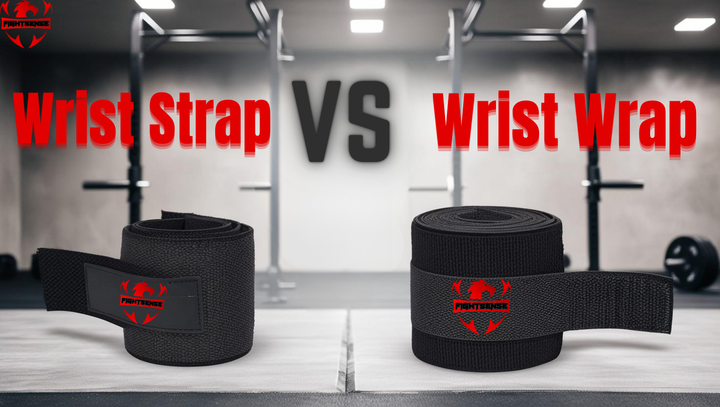
Two of the most often used accessories in lifting and strength training are wrist straps vs wrist wraps. Although both are meant to provide support, they have different uses and fit different kinds of exercise.
Knowing the differences between wrist wraps and wrist straps will let you, regardless of level of experience, select the correct gear for your exercise.
Keynotes
- Wrist straps vs wrist wraps provide wrist stability to avoid injury during pressing movements.
- Wrist straps improve grip strength, allowing for better performance in pulling exercises.
- Wrist wraps prevent wrist injuries by supporting the joint during heavy lifts.
- Wrist straps vs wrist wraps help you lift heavier by reducing grip fatigue.
- Wrist wraps are ideal for upper body presses, while wrist straps are perfect for pulling exercises like deadlifts.
What Are Wrist Wraps and Wrist Straps?
Wrist Wraps
Wrist wraps are primarily used to stabilize and support the wrist joint during exercises that require wrist extension or heavy loading. They are designed to wrap around the wrist to provide compression and support, reducing the risk of hyperextension and injury.
Wrist wraps are commonly used for pressing exercises like bench presses, squats, and overhead presses, where wrist stability is crucial.
Wrist Straps
Wrist straps, on the other hand, are used to improve your grip strength during pulling exercises. These straps wrap around the barbell or dumbbell, allowing you to lift heavier weights without worrying about grip failure.
Wrist straps are especially useful for exercises like deadlifts, pull-ups, and rows, where your grip strength might limit your performance.
Wrist Straps vs Wrist Wraps: Key Differences
|
Features |
Wrist Wraps |
Wrist Straps |
|
Purpose and Function |
Provide wrist stability by limiting excessive movement and supporting the wrist joint, preventing injuries during pressing exercises. |
Enhance grip strength by securing your hands to the bar, allowing you to lift more weight during pulling exercises. |
|
Best Exercises for Each |
Wrist wraps are ideal for pressing movements such as bench presses, squats, and shoulder presses, where the wrist joint is under significant pressure. |
Wrist straps are best for exercises like deadlifts, rows, and pull-ups, where grip strength can limit your performance. |
| Support Level | Offer a higher level of support to the wrist joint, especially for exercises that involve heavy loads and extended wrist positions. |
Provide grip support, allowing you to lift heavier without relying solely on hand strength. |
| Comfort and Fit | Wrist wraps tend to be snugger and offer more wrist-focused support . |
Wrist wraps are usually tighter, whereas straps can feel looser around the wrist area but secure around the bar. |
What Do Wrist Straps Do and How Do They Work
Purpose and Function
When people ask what do wrist straps do or what are wrist straps for, the answer is simple: they help you lift heavier by securing your grip on the bar or equipment.
Unlike wrist wraps, wrist straps loop around your wrist and then around the bar, reducing grip fatigue so you can focus on the lift itself.
- Transfer some workload from your grip to your larger back and shoulder muscles
- Improve stability during pulling movements like deadlifts and rows
- Reduce grip failure, letting you complete more reps or heavier sets
How They Work
Understanding how do wrist straps work means recognizing that they don’t support your wrist joint, they enhance your hold.
The strap tightens as you pull, locking the bar in place so it doesn’t slip. They’re especially helpful when your grip strength limits your progress.
Lifting Straps vs Wrist Wraps: Key Differences
Comparing Purpose
The terms lifting straps vs wrist wraps or wrist straps vs lifting straps often get mixed up, but they serve different goals:
- Wrist Wraps: Provide joint stability and support during pressing and overhead movements
- Lifting Straps: Boost grip strength so you can lift more without grip fatigue
- Wrist Straps: A subset of lifting straps focused on grip enhancement
When to Use Each
Use wrist wraps when your wrist joint needs support; use wrist straps when your grip gives out before your larger muscles do. For example:
- Pulling days (deadlifts, shrugs): wrist straps shine
- Push days (bench, shoulder press): wrist wraps are ideal
Wrist Straps vs Lifting Straps: Choosing the Right Tool
Practical Application
Understanding lifting straps vs wrist straps comes down to your training goals: if grip fails first, wrist straps help extend your performance. However, if wrist stability is your limiting factor, wrist wraps are the better choice.
Integrated Training & Accessories
Choosing the right equipment enhances your results, and reliable gear matters. Just like FightSense training accessories prioritize quality and performance, the right choice between wrist straps and wrist wraps can help you lift smarter and safer.
- Strap quality affects comfort and durability
- Choose FightSense straps for balanced grip support and long-lasting performance
- Proper use maximizes gains and reduces strain
When to Use Wrist Wraps vs Wrist Straps?
Wrist Wraps: Best For
- People who need wrist stability during pressing movements.
- Wrist wraps best for athletes who perform overhead presses, bench presses, and squats.
- Those with weak or injured wrists who require additional support during heavy lifting.
Wrist Straps: Best For
- Individuals who struggle with grip strength during pulling exercises.
- Athletes doing deadlifts, rows, pull-ups, and other exercises where grip can limit performance.
- Lifters looking to increase their ability to lift heavier weights without worrying about grip failure.
Shop Now!
Conclusion
Any strength training program would benefit much from wrist straps vs wrist wraps. The two choices rely on your particular training objectives and the most often performed activities. wrist straps vs wrist wraps are the finest option if you require stability and support for wrists during pressing motions.
Still, wrist straps are the best approach to improve your grip strength for pulling workouts. To enhance your lifting potential and lower your risk of damage, both devices can be worn in concert wrist wraps for pressing and wrist straps for pulling.
Disclaimer
This site offers material solely for informational use. Before adding new accessories to your exercise program, always see a medical practitioner or fitness specialist especially if you have pre-existing injuries or problems.
Individual training requirements and fitness goals will affect the efficiency of wrist straps against wrist wraps.
FAQs
1. Can I use wrist straps vs wrist wraps together?
Yes, many lifters use both: wrist wraps for pressing exercises and wrist straps for pulling exercises, providing comprehensive support during your workout.
2. Are wrist wraps necessary for beginners?
Wrist wraps can be beneficial for beginners, especially for those who perform pressing movements and need extra wrist stability during heavy lifts.
3. Can wrist straps help with grip strength in all exercises?
Wrist straps are particularly helpful for exercises like deadlifts, rows, and pull-ups, where grip failure may limit your ability to lift heavier.
4. How tight should wrist wraps be?
Wrist wraps should be snug enough to provide support but not so tight that they restrict blood flow or cause discomfort.
5. Can wrist straps be used for bench presses?
No, wrist straps are not typically used for bench presses since they are designed to assist with grip during pulling movements rather than pressing exercises.