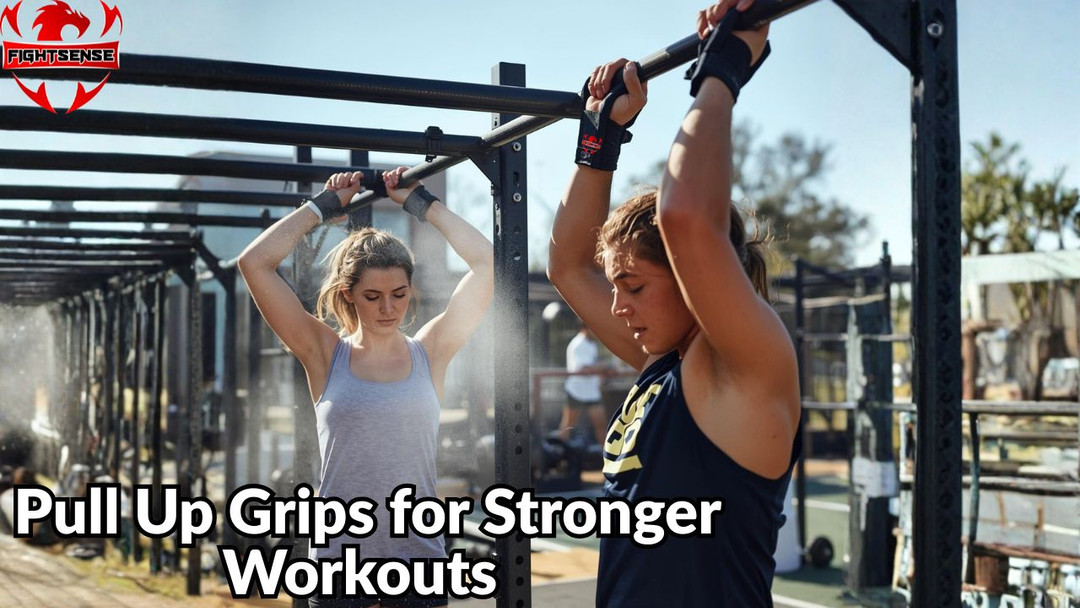
Pull Up Grips for Stronger Workouts
Pull Up Grips are among the best methods for strengthening the upper body. Your arms, shoulders, back, and core muscles are all simultaneously targeted. But a typical issue that many people face is grip fatigue.
You perform worse during an exercise session when your grip breaks before your muscles do. Pull-up grips come into play here. These straightforward yet effective gym equipment enable you to lift greater weights, hold the bar longer, and train more efficiently.
We will go over all there is to know about pull-up grips in this comprehensive guide, including what they are, how they operate, their advantages, types, how to use them properly, and whether or not you truly need them for your fitness journey.
Key Highlights:
- Enhances grip stability during heavy pulling exercises
- Reduces hand fatigue for longer and more effective workouts
- Helps improve overall lifting performance and endurance
- Supports better muscle focus by minimizing grip failure
- Suitable for beginners and advanced athletes alike
What Are Pull Up Grips?
Pull up grips are gym accessories designed to improve your hold on bars during exercises like pull-ups, chin-ups, deadlifts, and rows. They act as a support system between your hands and the bar, reducing direct pressure on your palms and fingers.
Most Gym Grip Straps are made from durable materials like:
- Heavy-duty nylon straps
- Leather padding
- Rubberized grip surfaces
- Neoprene cushioning
They wrap around your wrists and the bar, allowing you to maintain a secure hold even when your hands get tired.
The main purpose is simple: help you focus on muscle strength instead of grip strength limitations.
Why Are Gym Grip Straps Important?
A lot of beginners think that their grip strength will get better on its own over time. This is true, but it can also make training harder.
For instance:
- Your back muscles might still have some energy.
- But your hands are the first to give up
- So, you stop your set early.
Pull-up grips fix this problem by:
- Giving your grasp support
- Lessening tiredness in the hands
- Giving lengthier training sets
This means that your muscles will work better and you'll make faster improvement in strength training.
How Do Strength Training Grips Work?
Pull-up grips move the weight from your fingers to your wrists. The strap or cushion removes some of the weight off your grip strength.
During a pull-up, this happens:
- You put your hand around the bar's grip.
- The strap keeps your wrist safe.
- The grip supports some of your body weight.
- Your hands don't get too tired.
This lets the muscles in your back and arms function longer without stopping.
Key Benefits of Gym Grip Straps:
Increased Grip Endurance
One of the biggest benefits is improved endurance. You can perform more reps without your hands slipping or giving up.
Reduced Hand Fatigue
Long training sessions often lead to palm and finger fatigue. Gym Grip Straps significantly reduce this stress.
Better Muscle Activation
When grip is no longer a limitation, your back, lats, and biceps get full attention during workouts.
Prevention of Calluses and Blisters
Frequent bar workouts can cause rough skin, calluses, and even blisters. Fitness Grip Supports act as a protective layer.
Improved Performance in Heavy Lifts
They are extremely useful for exercises like:
- Deadlifts
- Barbell rows
- Weighted pull-ups
Confidence in Training
When you are not worried about slipping, you can push harder and train with more confidence.
Types of Workout Grips:
1. Strap Grips
These are simple fabric straps that wrap around your wrist and the bar.
Pros:
- Lightweight
- Affordable
- Easy to use
Cons:
- Less padding
- May feel uncomfortable in long sessions
2. Padded Grips
These grips come with extra cushioning for comfort.
Pros:
- Comfortable for long workouts
- Reduce wrist pressure
Cons:
- Slightly bulkier
3. Hook Grips
These include a metal or strong hook that attaches to the bar.
Pros:
- Maximum support
- Great for heavy lifting
Cons:
- Not ideal for beginners
- Expensive
4. Leather Grips
Made from strong leather material for durability.
Pros:
- Long-lasting
- Strong grip support
Cons:
- Require break-in period
How to Use Strength Training Grips Correctly?
Using Workout Grips properly is very important for safety and performance.
Step-by-Step Guide:
- Wrap the strap around your wrist
- Place the grip over the bar
- Roll the bar into your palm
- Tighten your hold before starting exercise
Common Mistakes to Avoid:
- Wearing them too loosely
- Depending on them for every exercise
- Ignoring proper form
- Using wrong size or fit
Who Should Use Training Grips?
Pull-up grips aren't just for skilled athletes; they're handy for a lot of people who go to the gym.
For people who are just starting out:
- Helps while your grip strength is still growing
- Lets you focus on good form
Lifters at the Intermediate Level:
- Helps raise the amount of training
- Helps with progressive overload
Athletes that are more advanced:
- Good for heavy lifting
- Helps break through strength plateaus
Ladies:
- Yes, pull-up grips are just as helpful for ladies who want to get stronger and fit.
People who work out at home:
- Grips can make your workouts safer and more productive if you have a pull-up bar at home.
Buying Guide: What to Look For?
Before buying Strength Training Grips, consider these important factors:
Material Quality
Look for strong and durable materials like reinforced nylon or leather.
Comfort
Padded wrist support can prevent discomfort during long sessions.
Grip Strength
Ensure the grip does not slip during heavy lifts.
Adjustability
Adjustable straps are better for different wrist sizes.
Durability
Avoid low-quality products that wear out quickly.
Do Pull Up Grips Affect Grip Strength Training?
Some people are concerned that employing pull-up grips can hinder the development of natural grip strength. The truth is that utilising them too much in every session will lower the strain on your hands and forearms, which could slow down your grip strength improvement.
But if you use them wisely, like during large lifts or high-rep sets where grip strain is the limiting issue, they can really help you do better overall. Pull-up grips let you work your target muscles more efficiently without your grip giving out too soon. The trick is to utilise it wisely and in moderation, not to rely on it completely.
When Should You Use Training Grips?
You should use Training Grips when:
- Performing heavy lifts
- Doing high-rep back workouts
- Your grip is failing before muscles
- Training for strength or hypertrophy
Avoid using them for every single set to keep natural grip strength active.
Maintenance and Care Tips:
To increase the lifespan of your pull up grips:
- Clean them regularly
- Keep them dry after workouts
- Store in a cool place
- Avoid overstretching
Proper care ensures long-term performance and hygiene.
Tools for Fightsense Pull Up Grips Training:
When using Fightsense grips, having the right tools and equipment can make your workout more effective and safe. A sturdy pull-up bar is essential to ensure proper support during exercises, while a well-equipped gym setup or home fitness rack can further enhance stability. Chalk can also be used to reduce sweat and improve grip control when needed.
Using the right tools along with Fightsense grips ensures better performance, reduced injury risk, and more consistent progress in your fitness journey.
Conclusion:
Pull up grips are a basic but effective gym tool that may make a big difference in how well you work out. They help your hands feel less tired, make your grasp more stable, and let you exercise your muscles better.
Pull-up grips can help you go beyond your limits, whether you're a beginner or an experienced lifter. This is especially true during heavy or high-rep workouts.
But the most important thing is balance. You should use them when you need to, but you should also work on your natural grip strength. This mix will help you get the best long-term gains in strength and conditioning.
FAQs:
1. How do lifting straps affect neuromuscular grip adaptation?
Lifting straps can slightly reduce direct grip stimulus during use, but when applied strategically, they allow higher overall training volume, which still supports long-term neuromuscular adaptation.
2. What is the optimal frequency of using gym grip straps in periodized training?
In structured programs, gym grip straps are best used during high-intensity or high-volume phases while keeping at least 1–2 grip-focused sessions weekly without assistance.
3. Can training grips impact forearm hypertrophy?
Indirectly, yes. Reduced grip demand may slightly decrease forearm activation during assisted sets, but this can be balanced with targeted forearm work like holds and curls.
4. Are fitness grip supports beneficial for progressive overload?
Yes, they help extend set duration and load capacity, enabling more effective progressive overload in pulling movements.