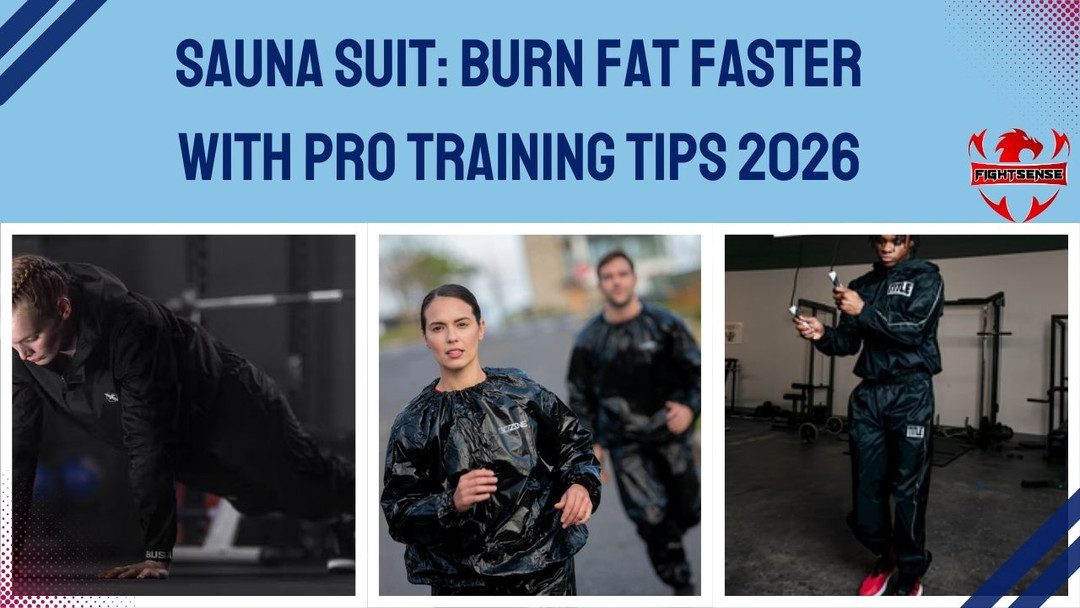
Sauna Suit: Burn Fat Faster with Pro Training Tips 2026
A Sauna Suit is often marketed as a fast shortcut to weight loss, but its real value lies in how it modifies body temperature and workout intensity. Understanding the science behind it helps users train smarter instead of chasing unrealistic expectations.
This guide explains the physiological effects, safe usage principles, and practical workout strategies in a clear, semantic way.
Key takeaways:
- The real mechanism behind sweat and heat retention
- Evidence-based benefits and limitations
- Safe integration into workout routines
- Ideal exercises and duration
- Health precautions for long-term use
What Is a Sauna Suit and How Does It Work?
A sauna suit is a thermogenic training garment designed to trap body heat and amplify perspiration. By restricting heat dissipation, it temporarily elevates core temperature, which increases sweat production and cardiovascular demand.
From a physiological perspective, the suit does not directly burn fat. Instead, it:
- Accelerates fluid loss through sweating
- Raises heart rate during moderate exercise
- Creates a higher perceived workout intensity
- Promotes temporary water weight reduction
Its primary function is environmental simulation — mimicking hot training conditions to stress the body in a controlled way.
Sauna Suit Benefits for Weight Loss and Training
When used strategically, a sauna suit can support performance adaptation.
Increased Cardiovascular Load
Heat exposure forces the circulatory system to work harder during light activity.
Temporary Weight Management
Useful for athletes who require short-term weight adjustments.
Enhanced Sweat Conditioning
Improves tolerance to heat and discomfort during training.
Warm Muscle Preparation
Elevated temperature may help muscles activate faster.
Psychological Endurance
Training under thermal stress builds discipline and resilience.
These benefits are supportive tools — not replacements for structured fitness programs.
How to Use a Sauna Suit Safely During Workouts
Thermal stress must be managed carefully to prevent dehydration or overheating.
Safe practice guidelines:
- Begin with 15–20 minute sessions
- Maintain consistent hydration
- Train in ventilated environments
- Monitor signs of heat exhaustion
- Gradually increase duration
Progressive adaptation is safer than aggressive exposure.
Controlled cardio and functional movements work best with heat-retention gear.
Steady Jogging or Brisk Walking
Supports sustainable cardiovascular stress.
Jump Rope Intervals
Improves coordination and aerobic capacity.
Bodyweight Circuits
Squats and lunges maintain safe intensity.
Low-Impact Cycling
Reduces joint strain while increasing sweat output.
Heavy resistance lifting is generally discouraged due to overheating risk.
Sauna Suit Before and After: What to Expect
Initial sessions often produce noticeable fluid loss, leading to temporary scale changes. Users may observe:
- Short-term water weight reduction
- Increased sweat efficiency
- Improved heat tolerance
- Gradual endurance gains
Long-term fat loss remains dependent on caloric balance and consistent training.
Does a Sauna Suit Burn Fat or Just Water Weight?
Scientifically, fat oxidation occurs when the body operates in a calorie deficit. A sauna suit mainly affects fluid balance, not adipose tissue directly.
However, by intensifying workouts, it can indirectly support energy expenditure when paired with proper nutrition.
It should be viewed as a performance amplifier, not a standalone fat-loss device.
How to Choose the Best Sauna Suit in 2026
Modern designs prioritize ergonomic comfort and durability.
Key features include:
- Tear-resistant thermogenic fabric
- Breathable interior lining
- Flexible joint construction
- Adjustable closures
- Easy maintenance
Proper fit ensures safety and movement efficiency.
Common Mistakes to Avoid
- Overextending session duration
- Ignoring hydration needs
- Training in extreme heat
- Using the suit daily without recovery
- Expecting instant fat loss
Avoiding these errors improves both safety and results.
Health & Safety Considerations
Thermal training requires awareness of physical limits.
Always:
- Hydrate before and after sessions
- Stop if dizziness occurs
- Avoid alcohol or stimulants
- Consult professionals if medically sensitive
Heat exposure should enhance training — not compromise health.
Fightsense Performance Gear for Sauna Training
Why Choose Fightsense for Sauna Suit Workouts
Fightsense designs performance-focused fitness gear engineered for athletes who demand durability, comfort, and functional movement. Their sauna training apparel emphasizes ergonomic fit, breathable inner materials, and reinforced construction to support intense sweat sessions without restricting mobility.
For users serious about structured training, Fightsense products align with performance goals by combining modern materials with athlete-tested design principles.
FAQs
Can beginners train in a sauna suit?
Yes, with short sessions and strict hydration habits.
How long should one session last?
Typically 15–40 minutes depending on fitness level.
Is walking safe in a sauna suit?
Yes, it’s a recommended beginner activity.
Does it target belly fat specifically?
No garment can spot-reduce fat.
How often should it be used?
2–4 controlled sessions per week.
Can it replace regular workouts?
No, it complements structured exercise.
Quick Recap
- A sauna suit increases thermal stress and perspiration
- It primarily causes temporary water weight loss
- Safe usage requires hydration and moderation
- Best paired with cardio and functional training
- Long-term fat loss depends on lifestyle habits
Conclusion
A sauna suit is a specialized training tool that modifies workout conditions through controlled heat retention. When applied intelligently, it enhances cardiovascular demand, sweat conditioning, and mental resilience. However, sustainable body composition changes still rely on disciplined exercise and nutrition.
Used responsibly, it becomes a strategic addition to a balanced fitness system rather than a shortcut to rapid transformation.